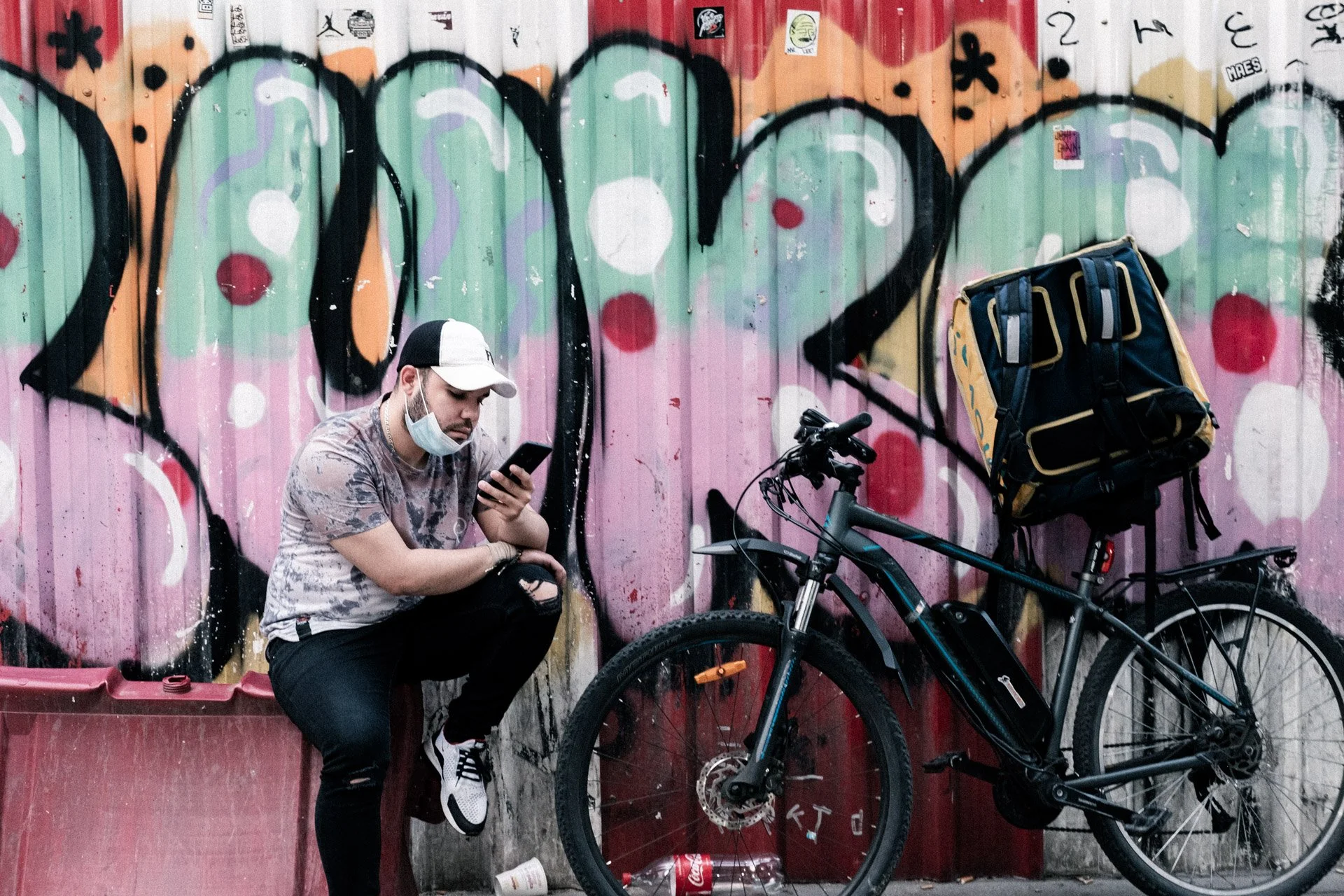
bicicletas y mochilas
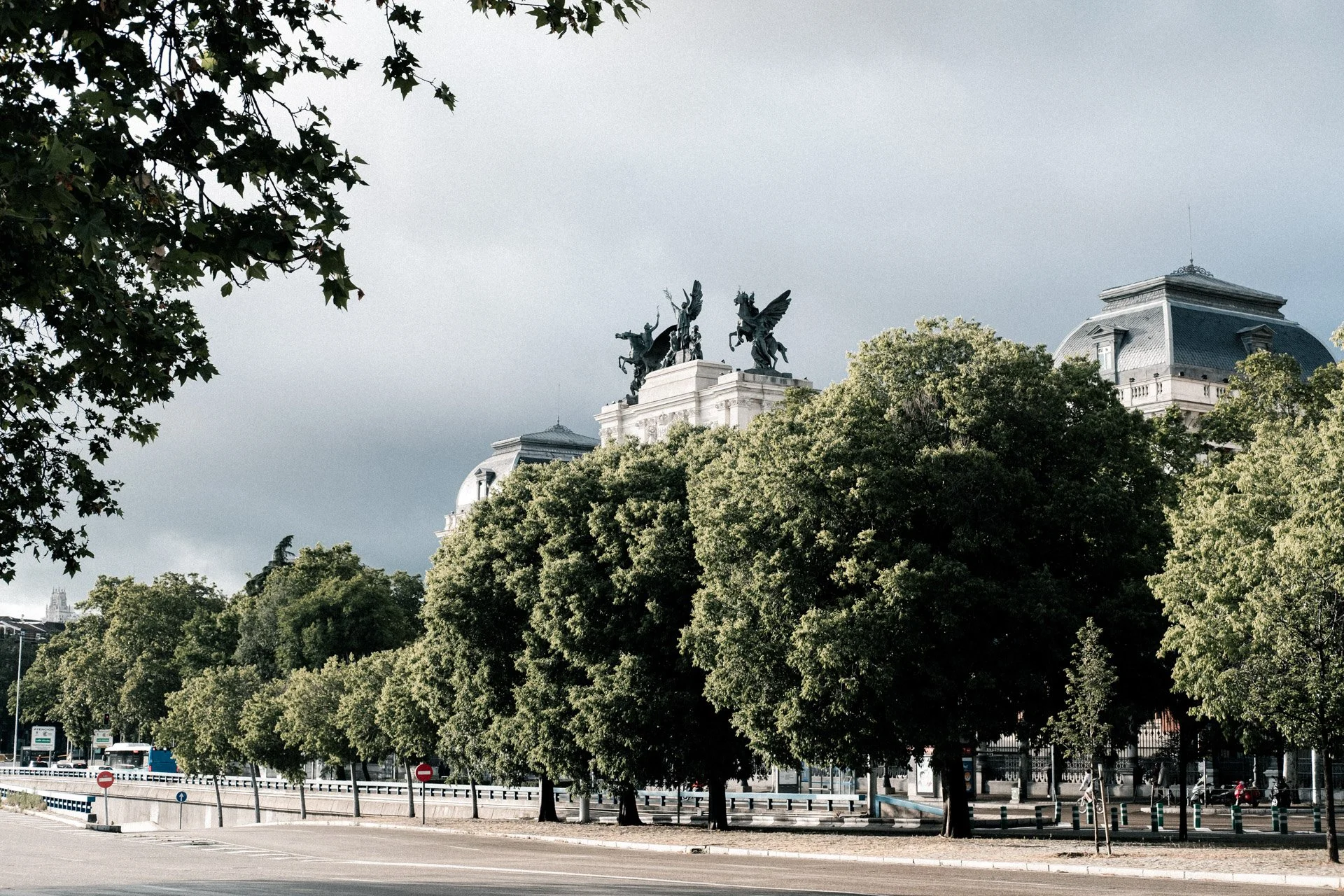
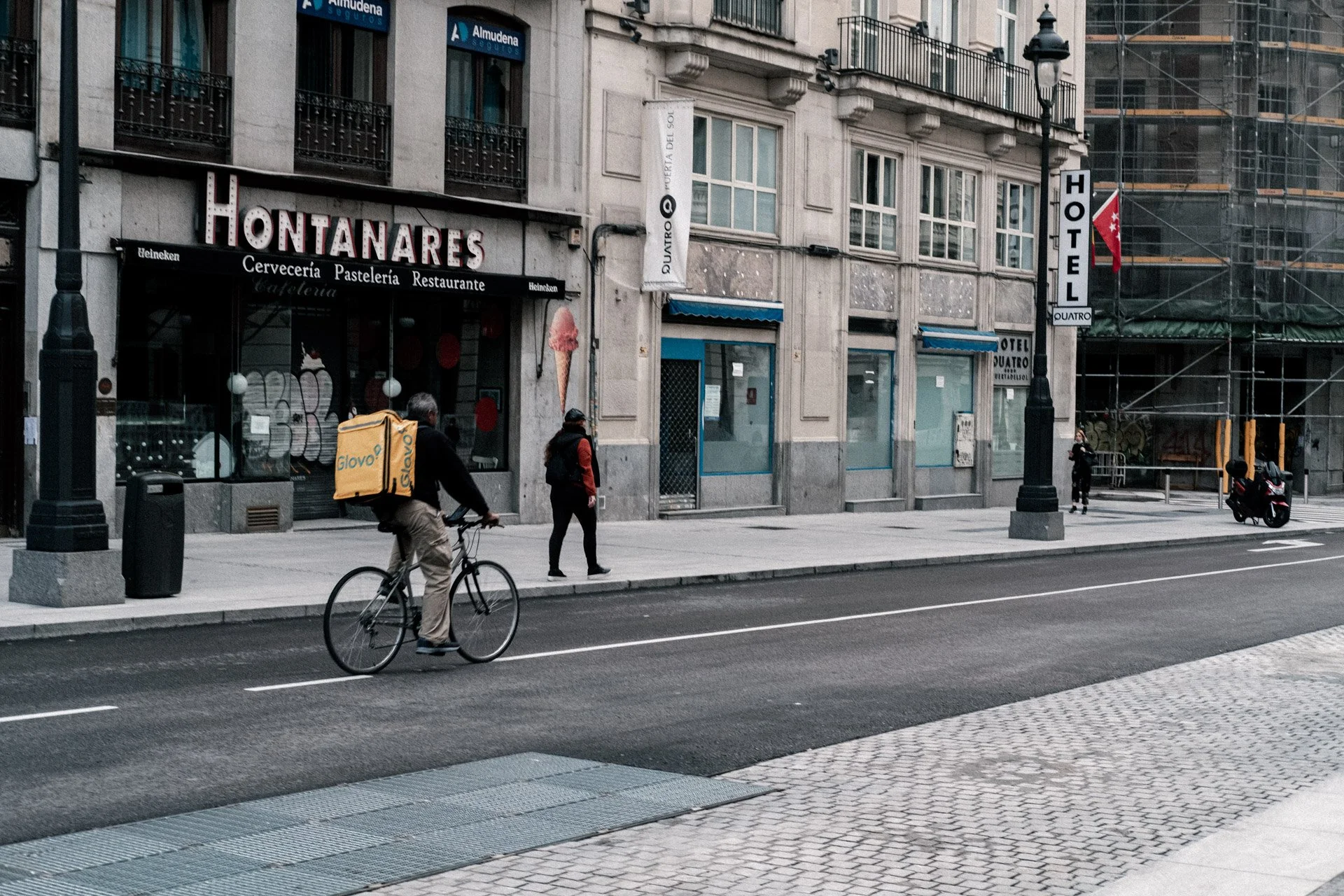
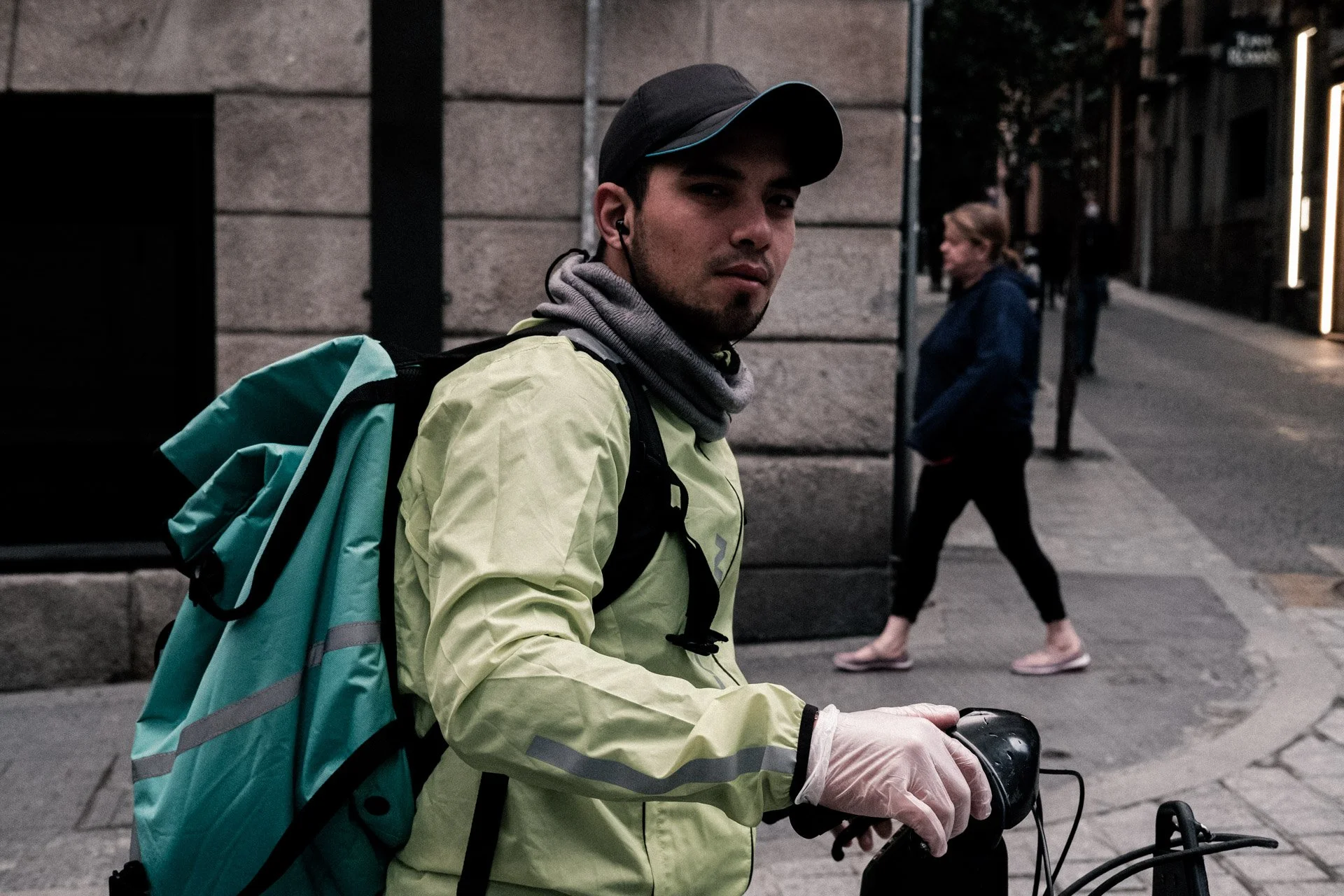
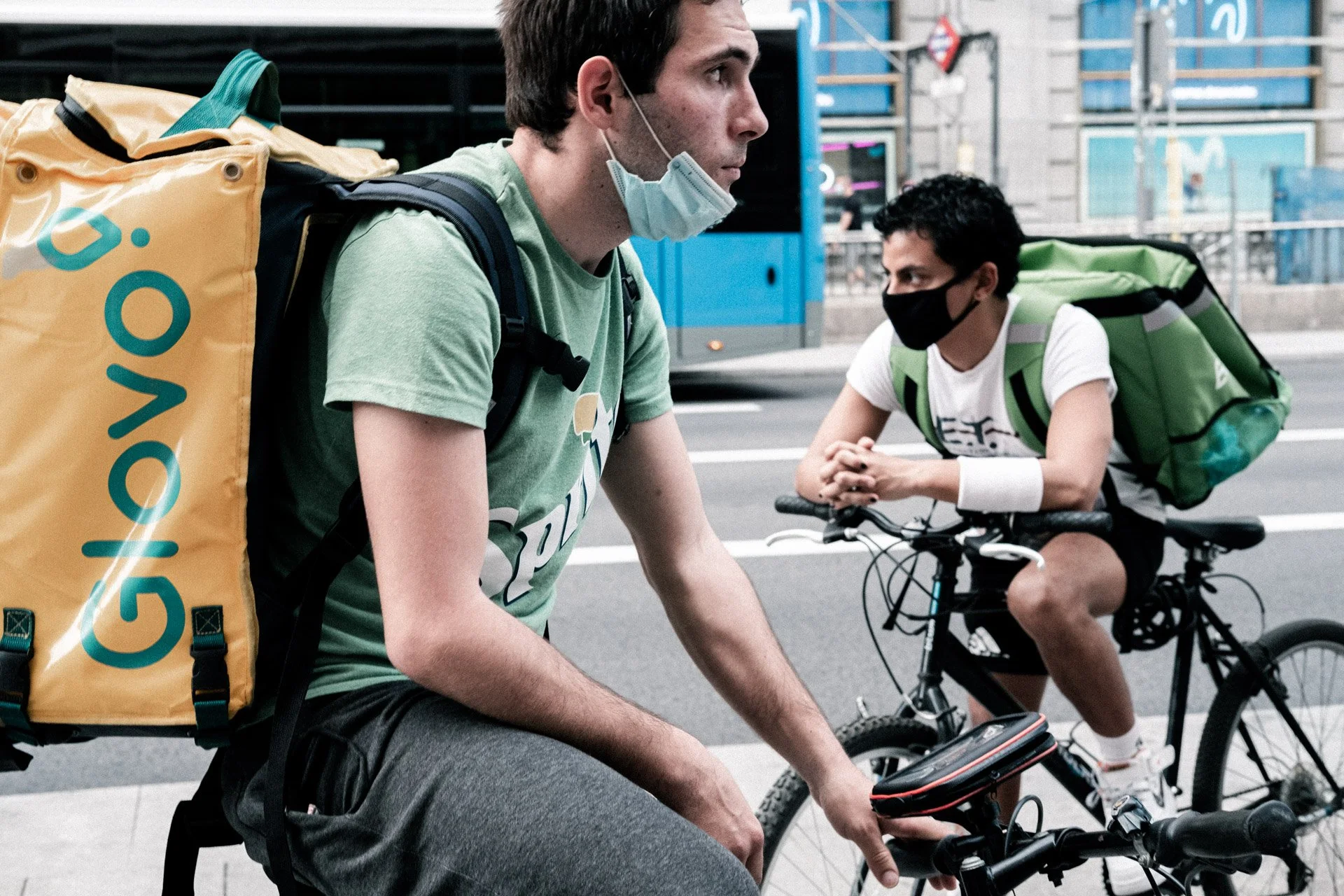
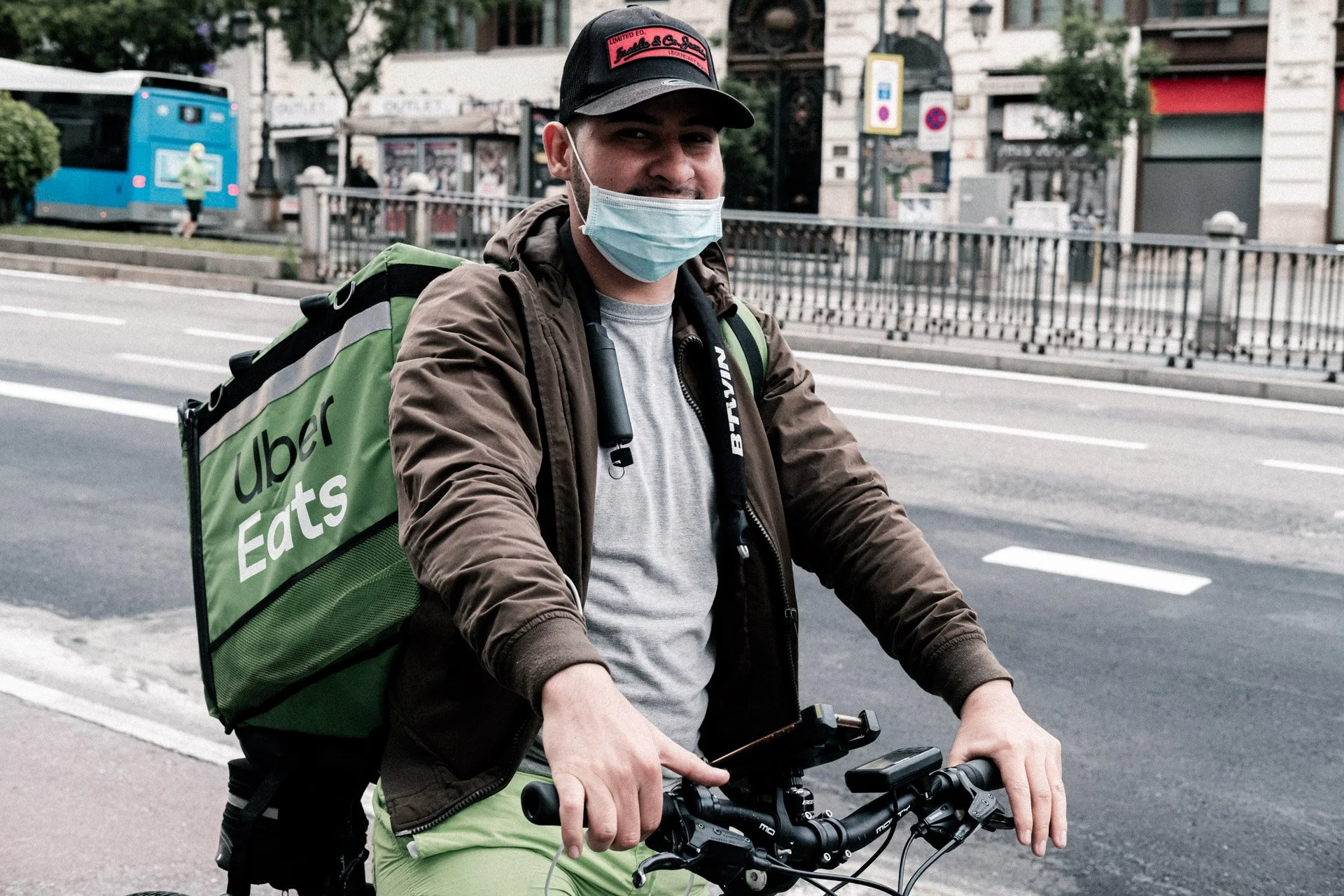
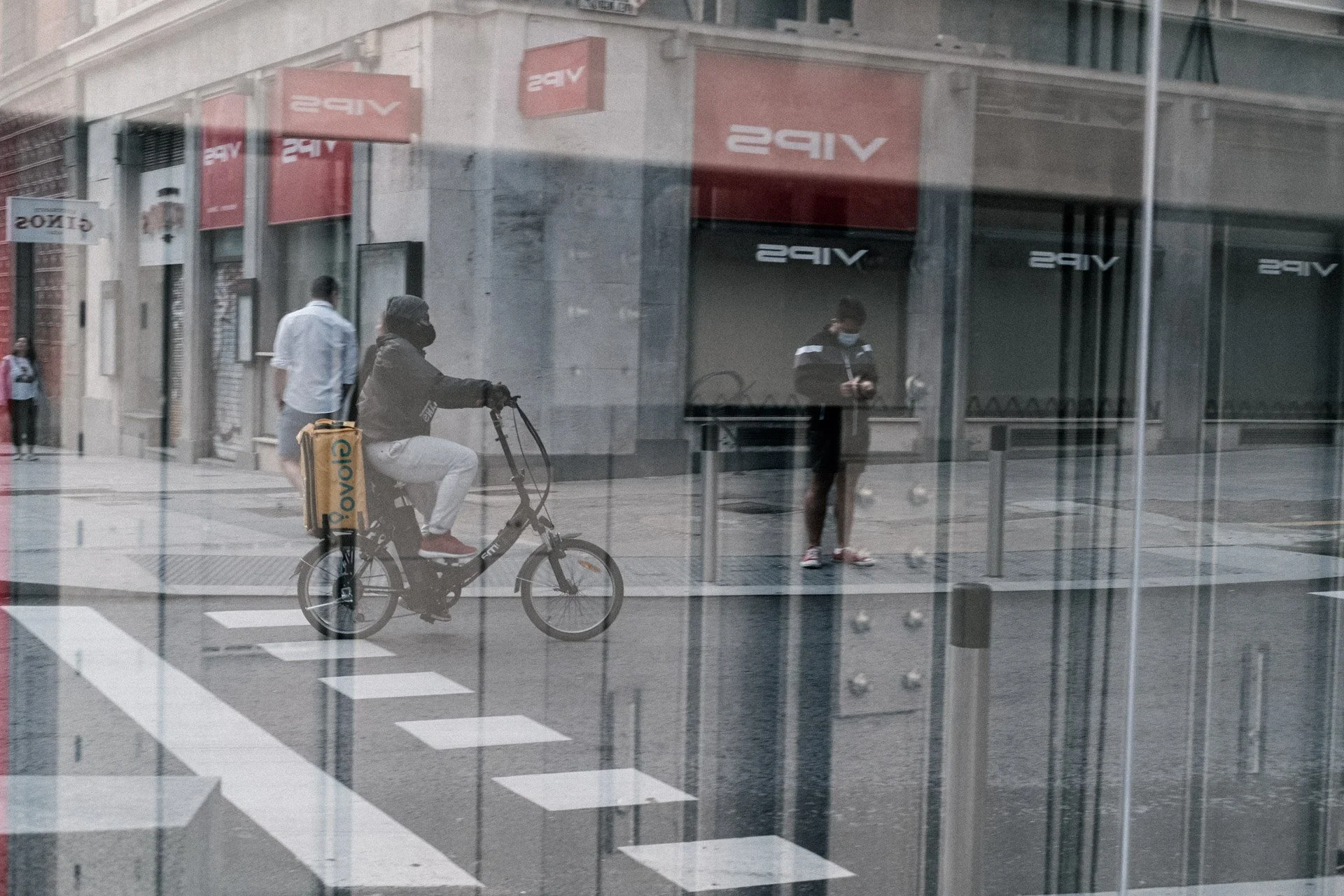
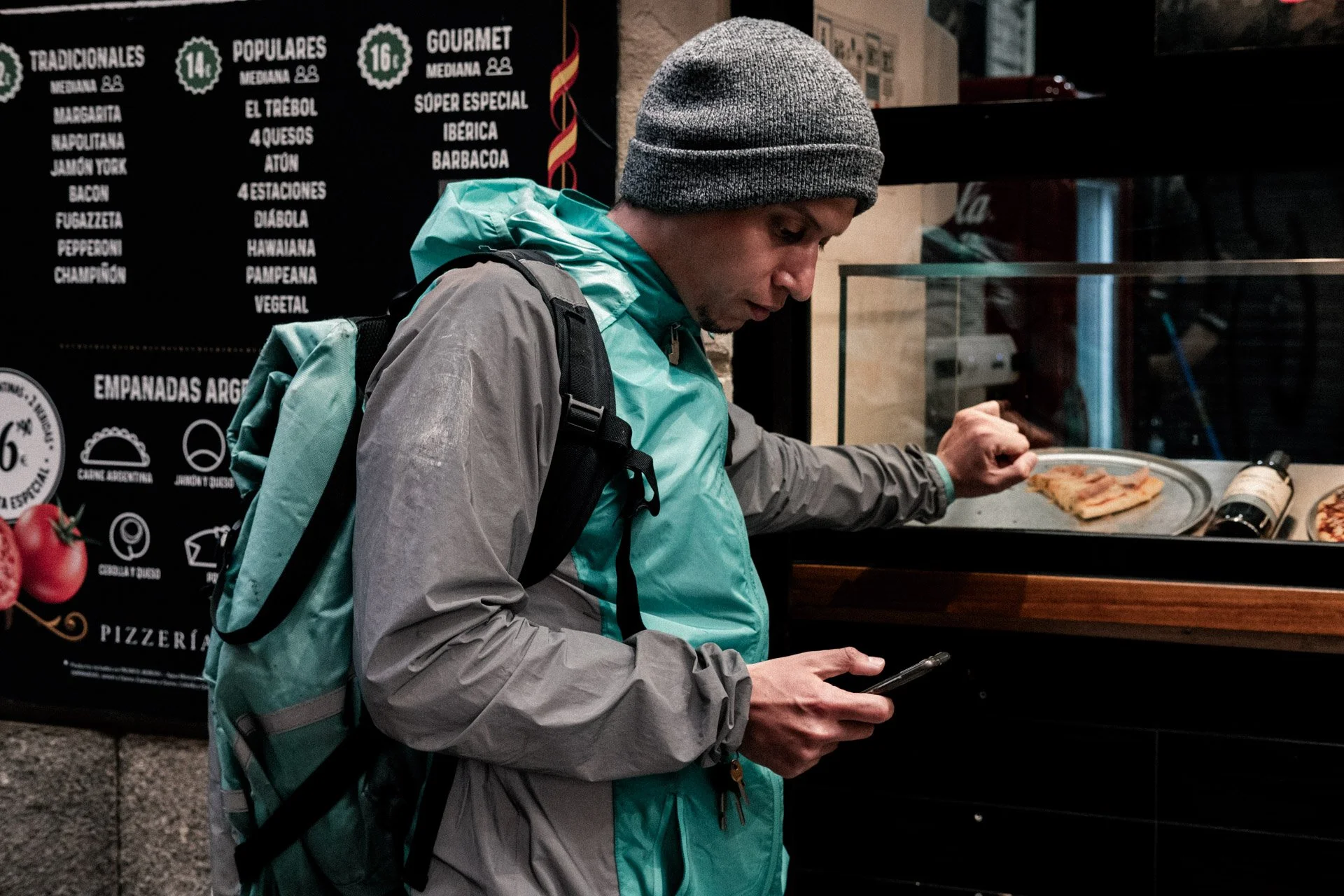
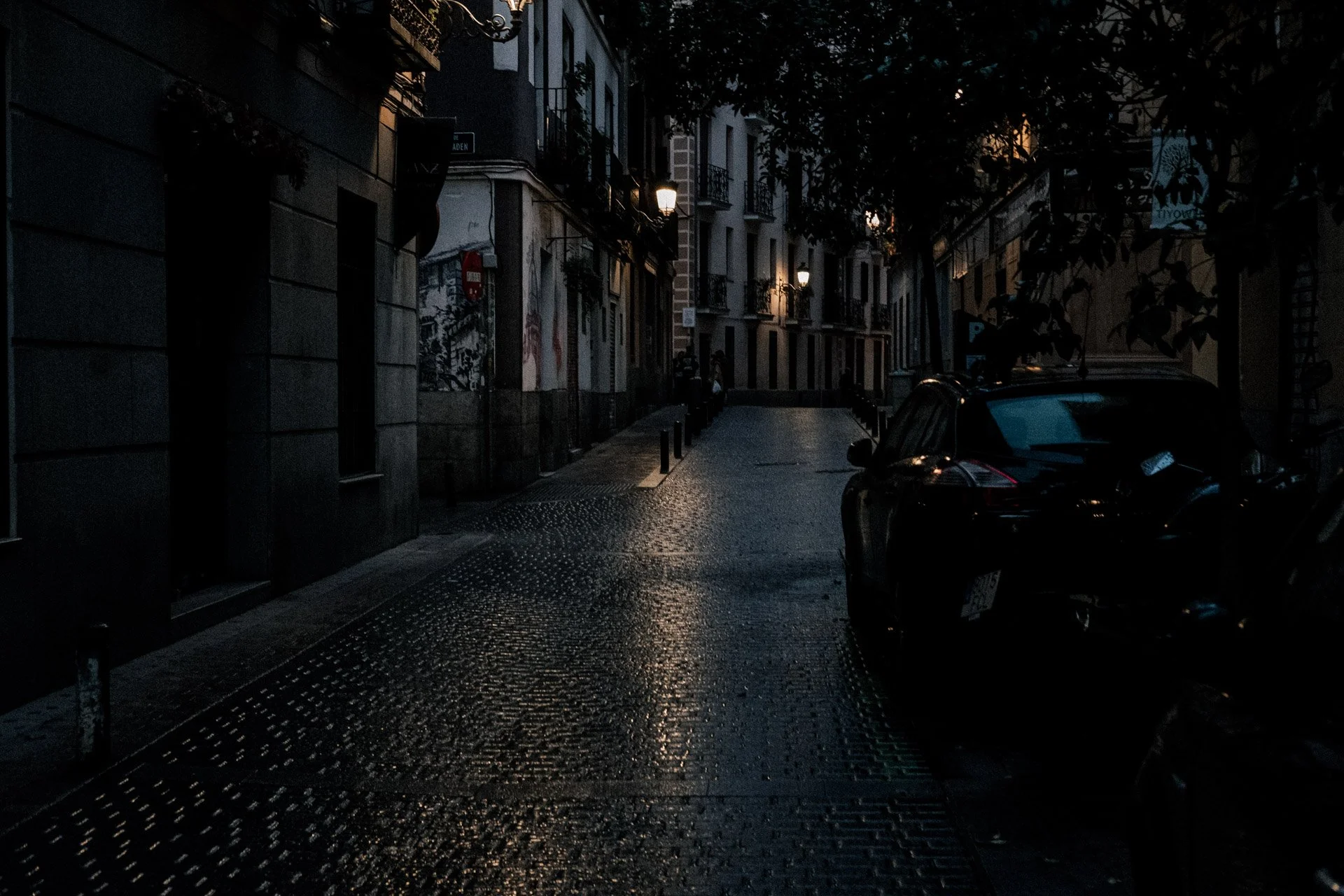
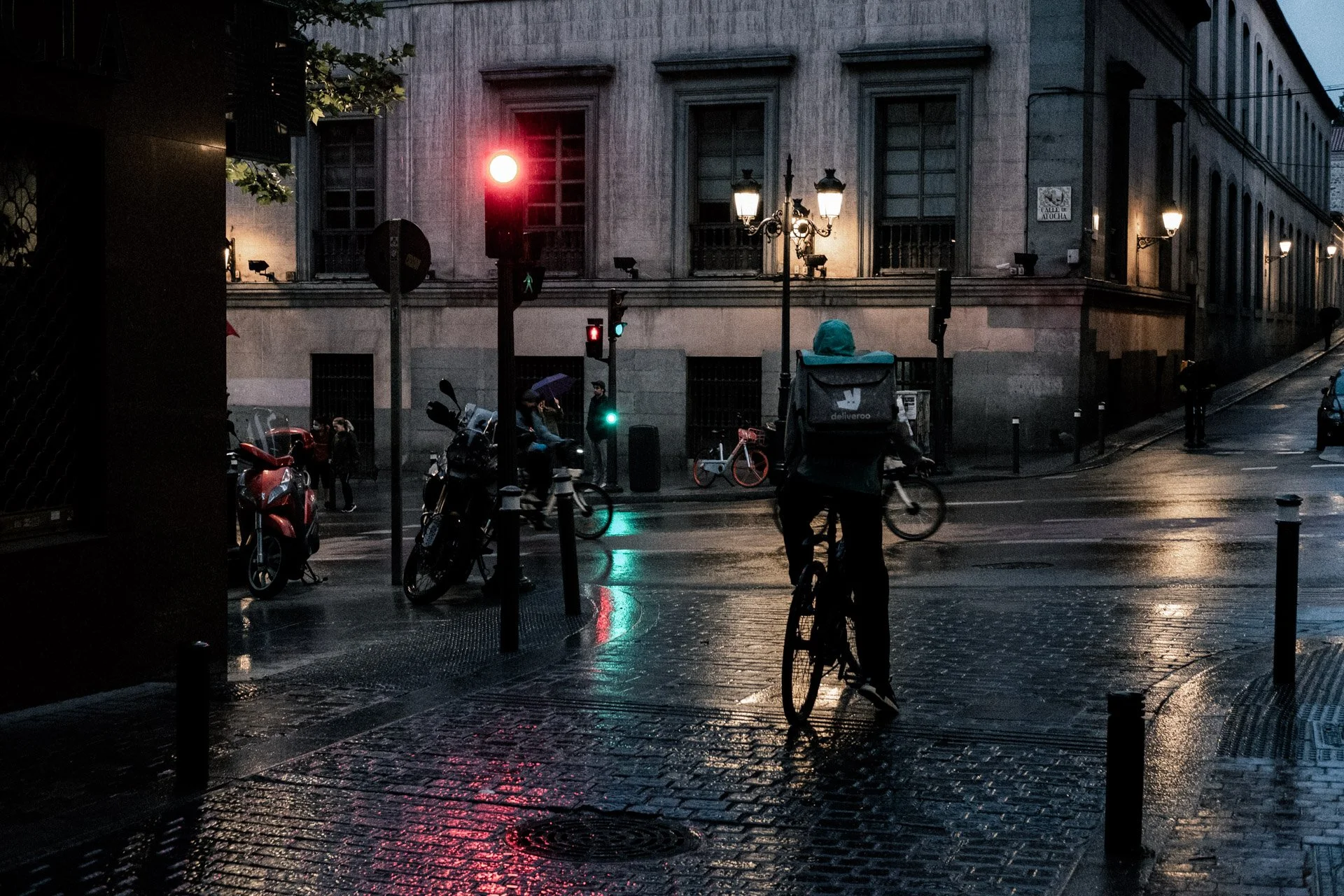
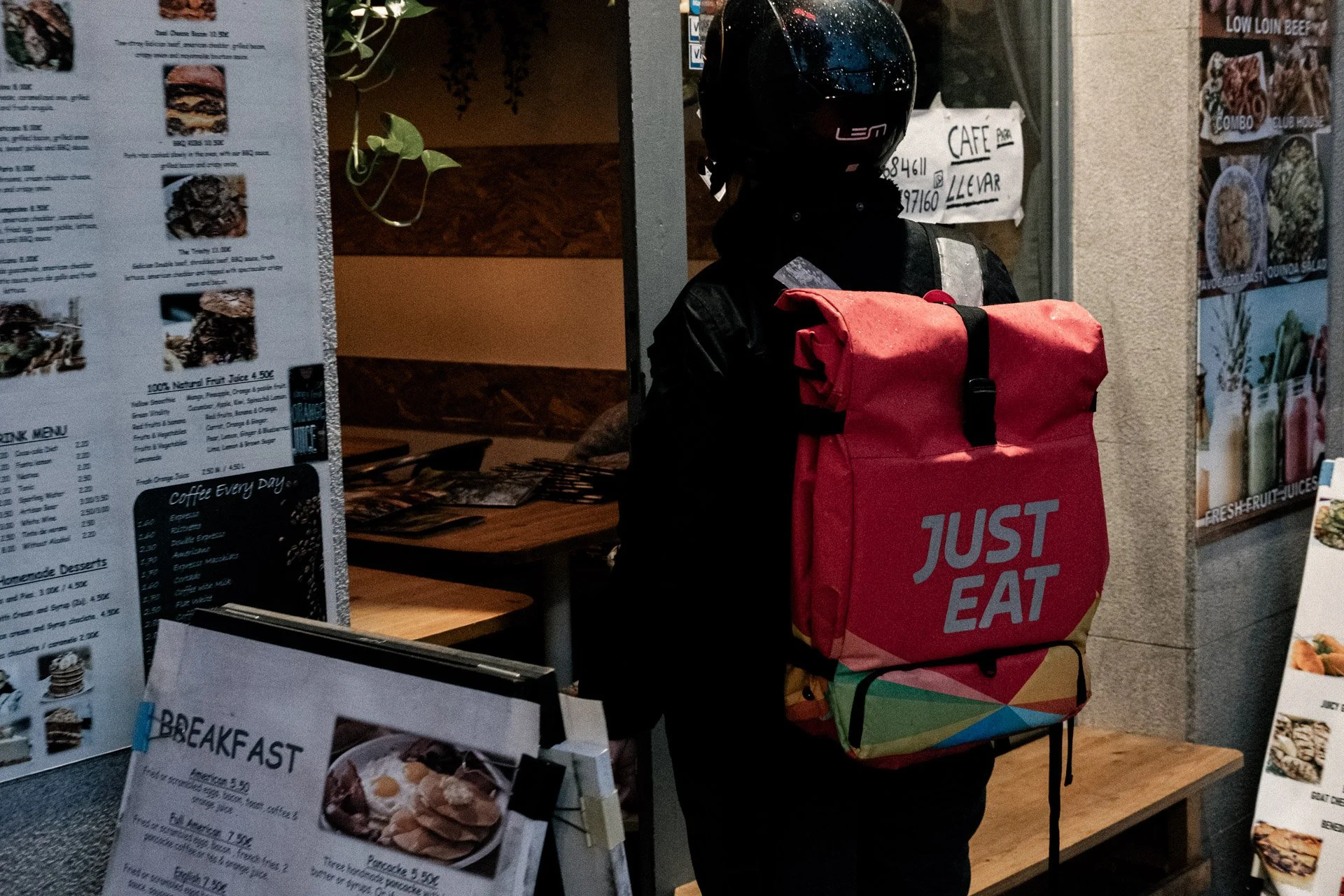
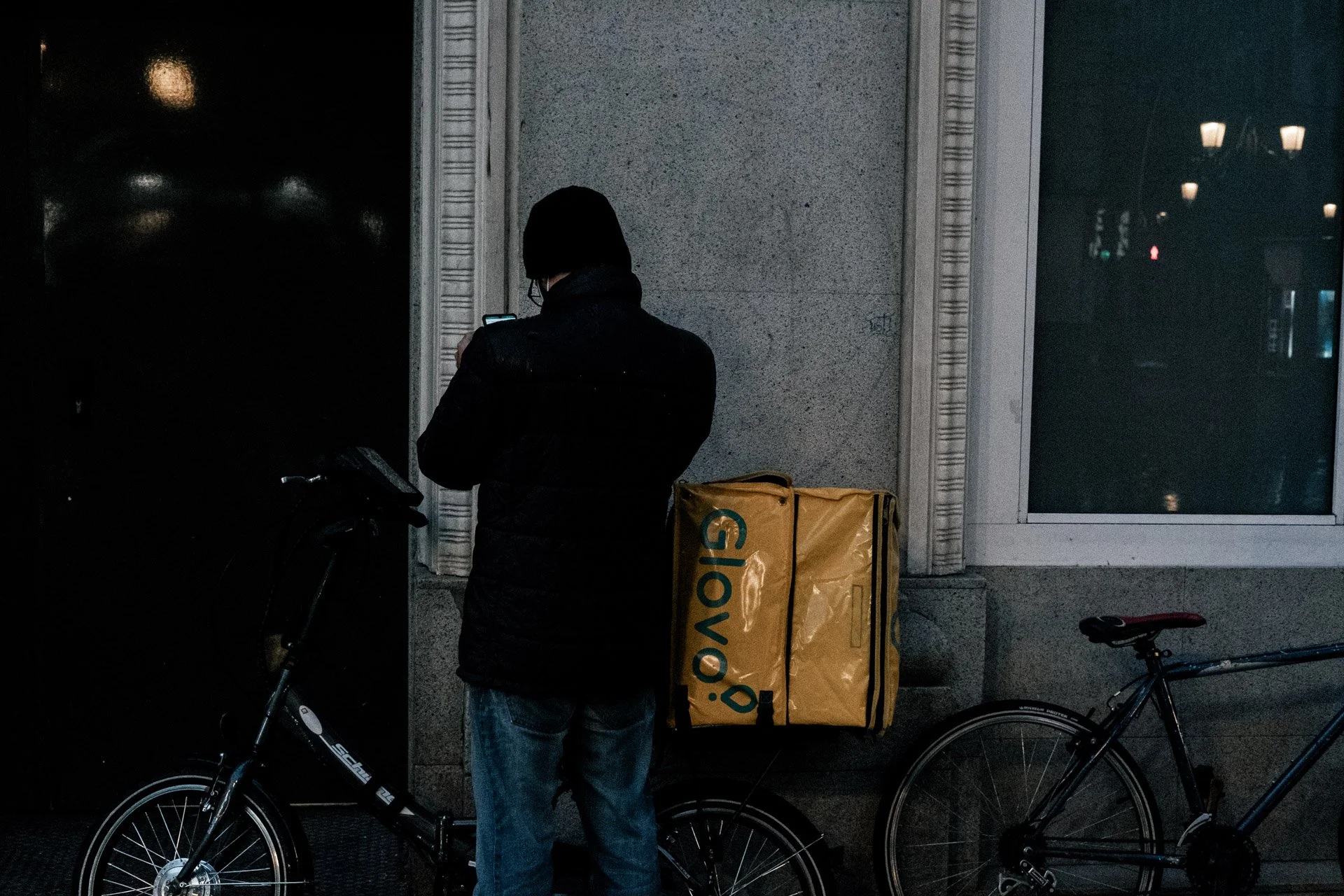
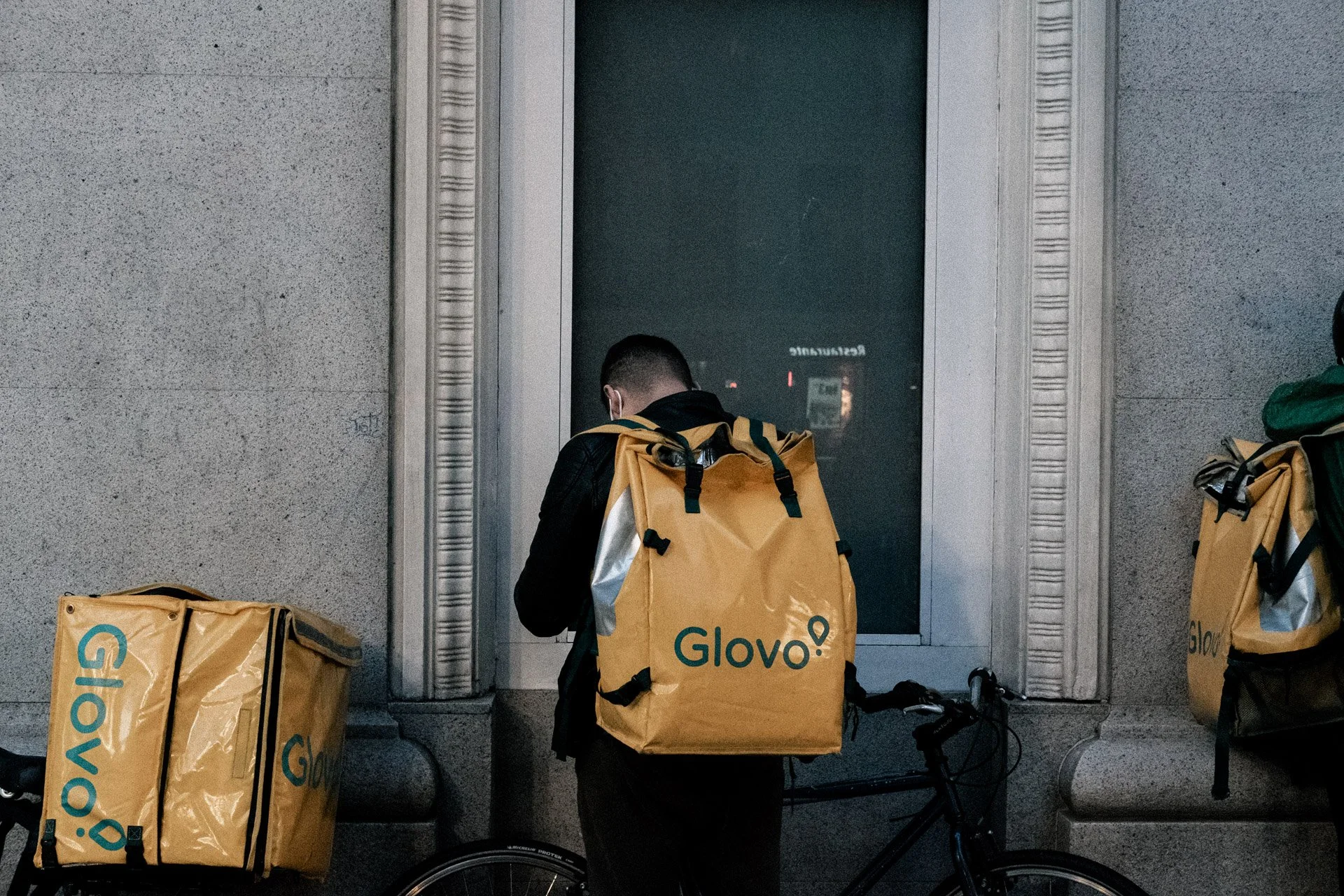
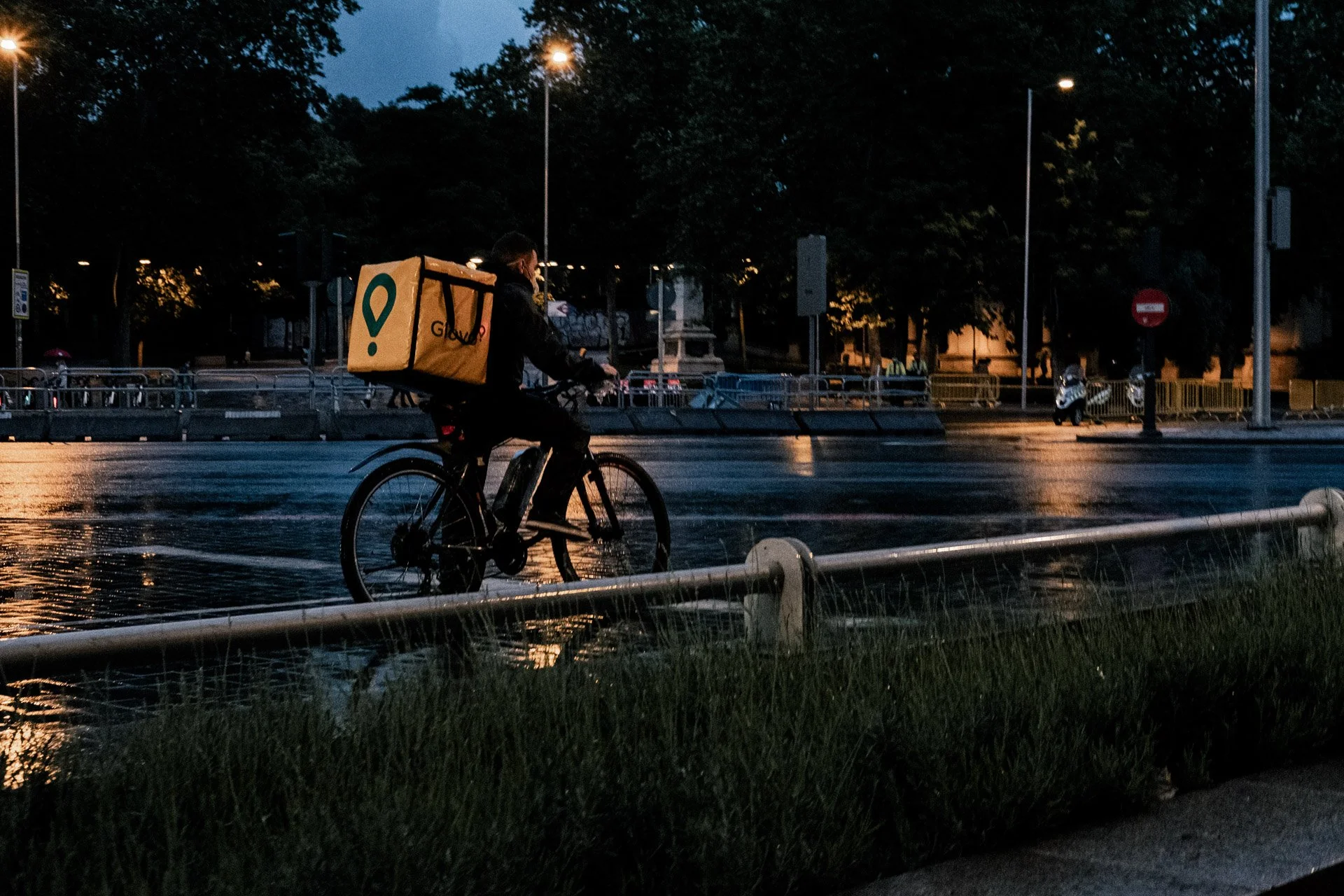
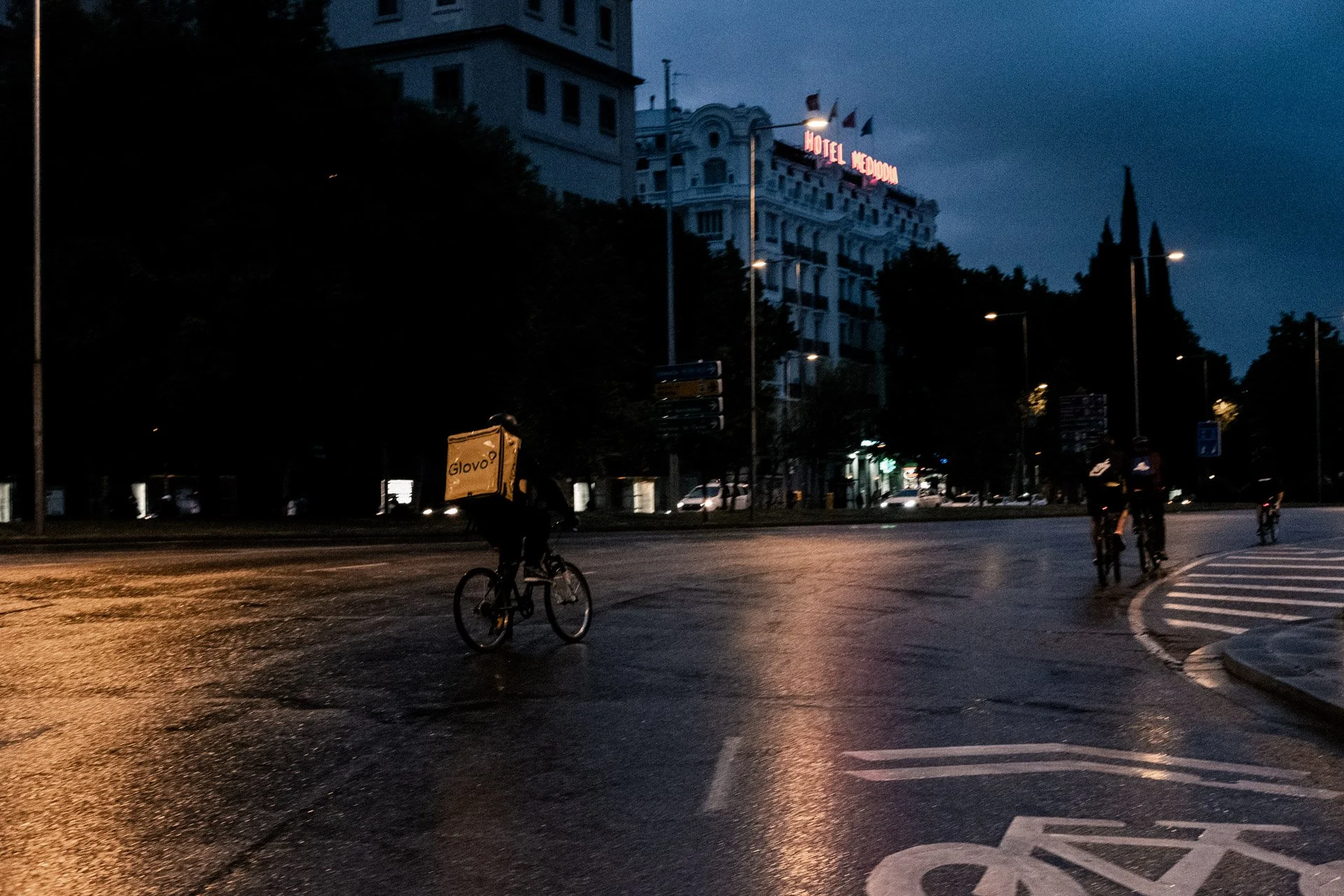
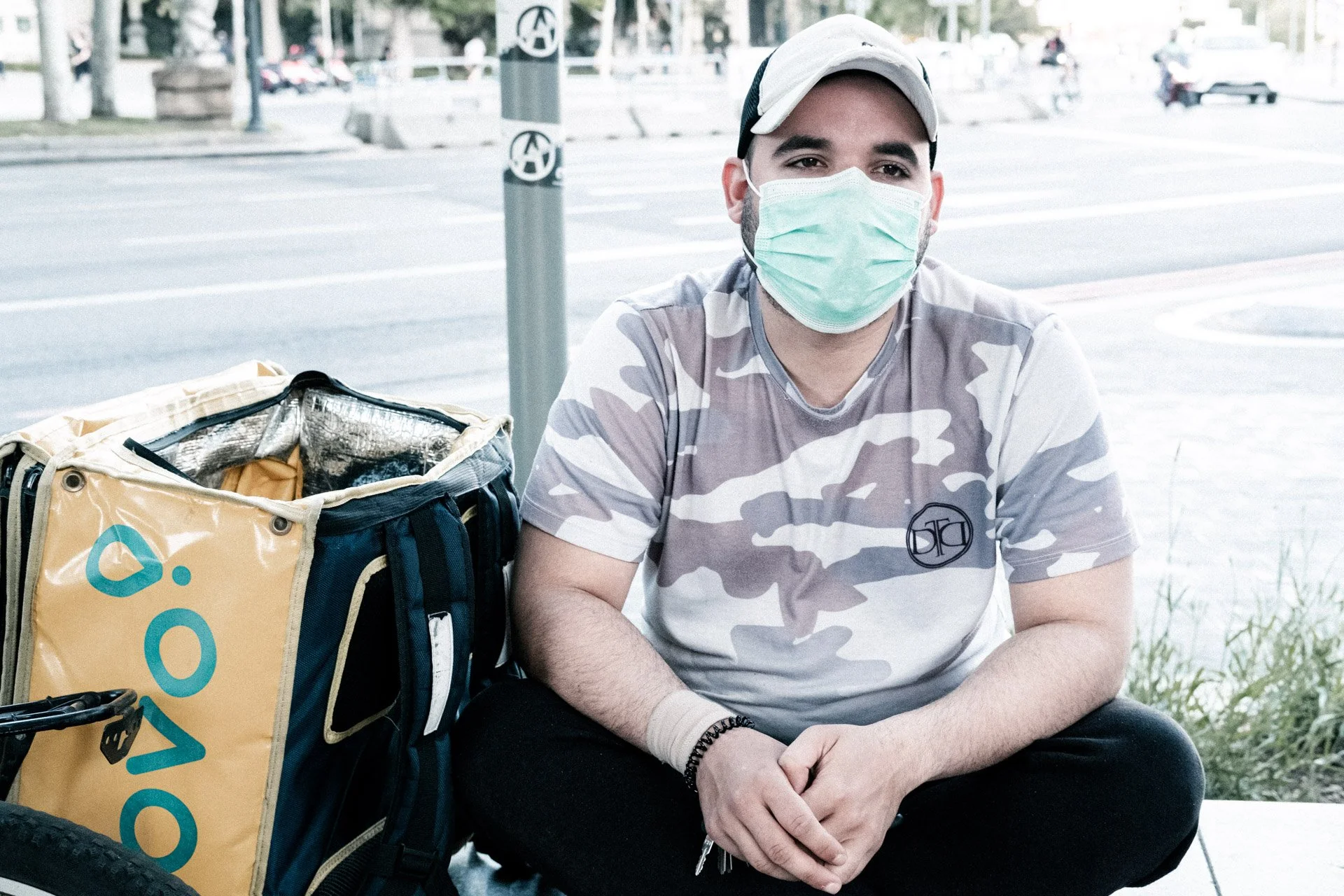
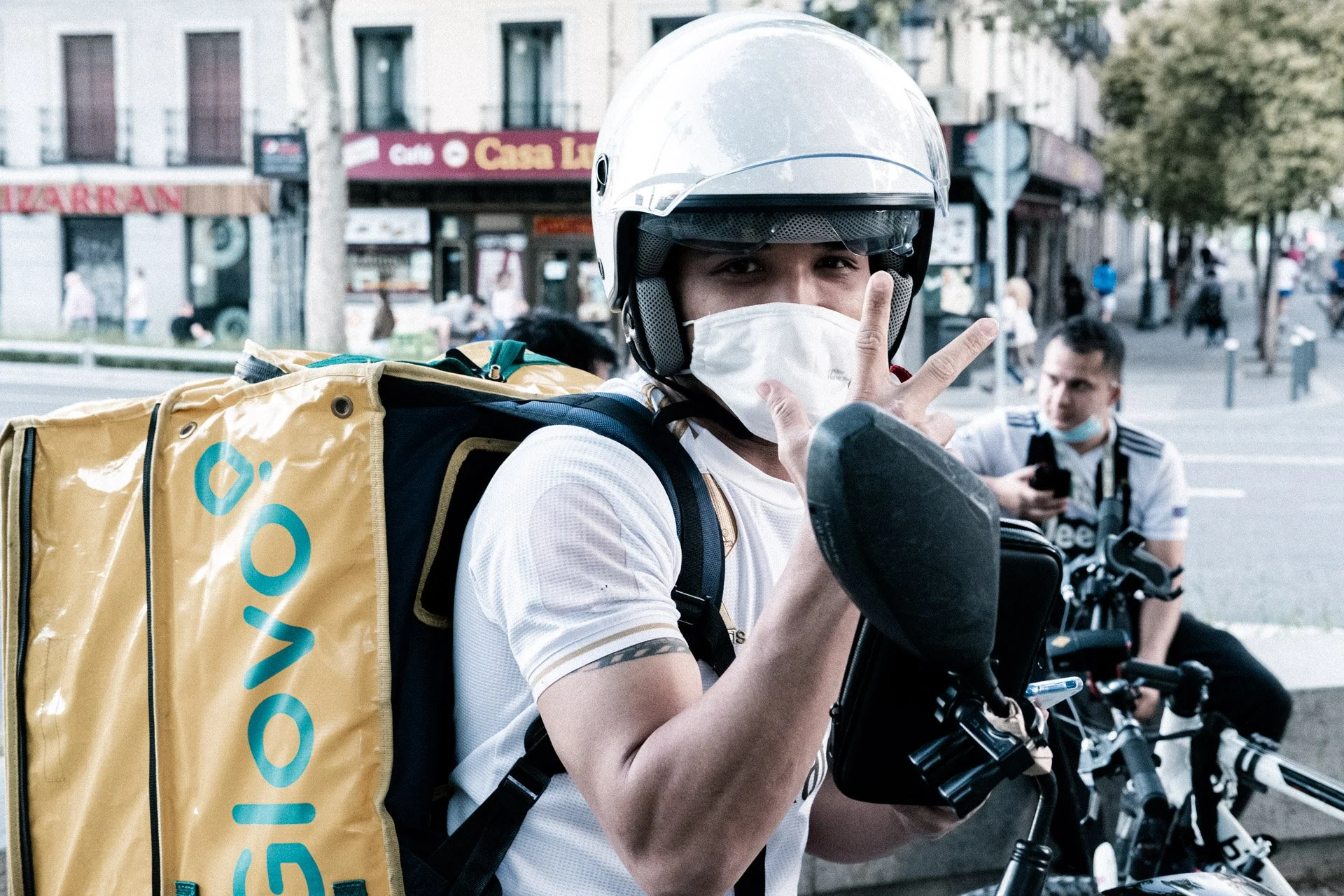
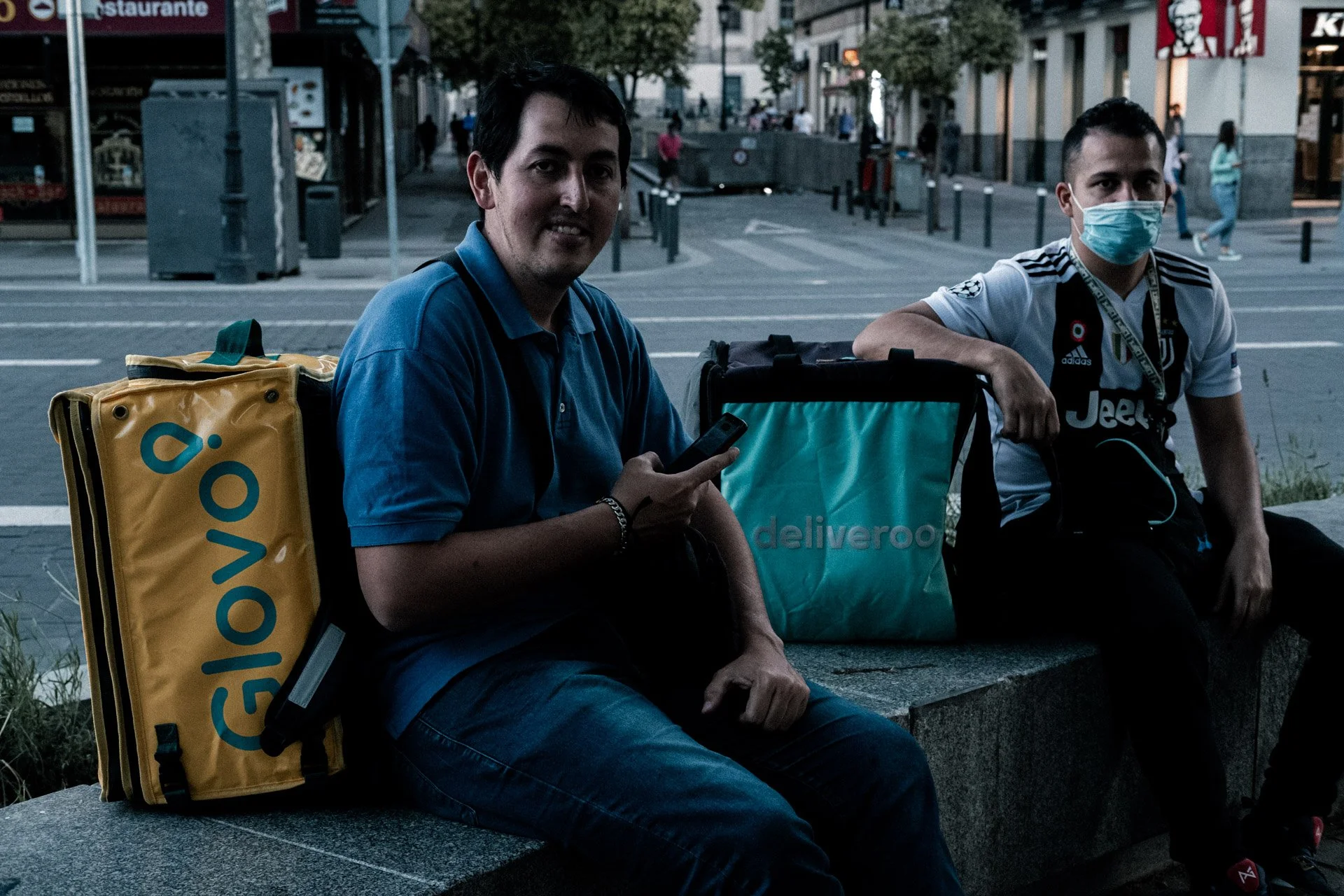
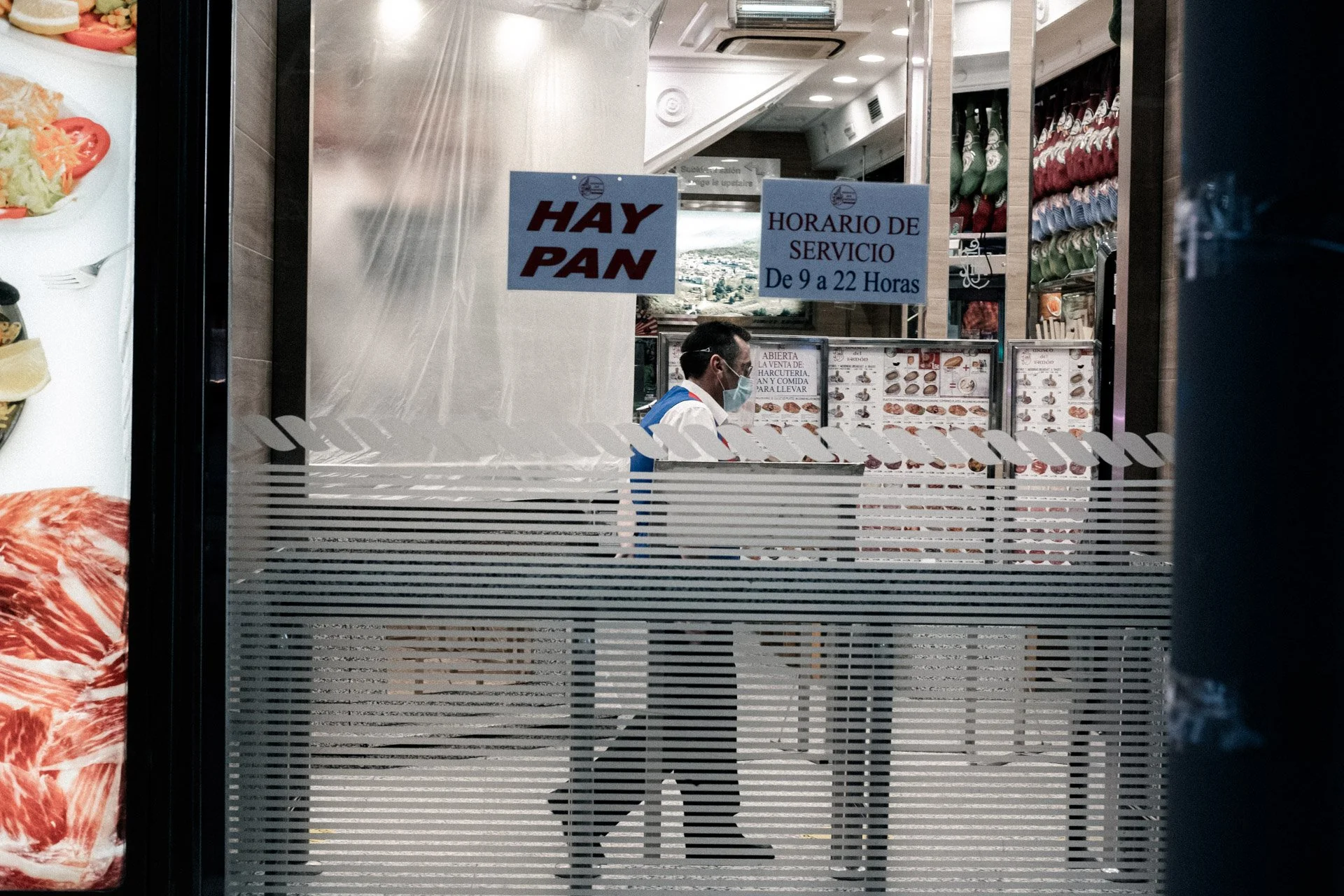
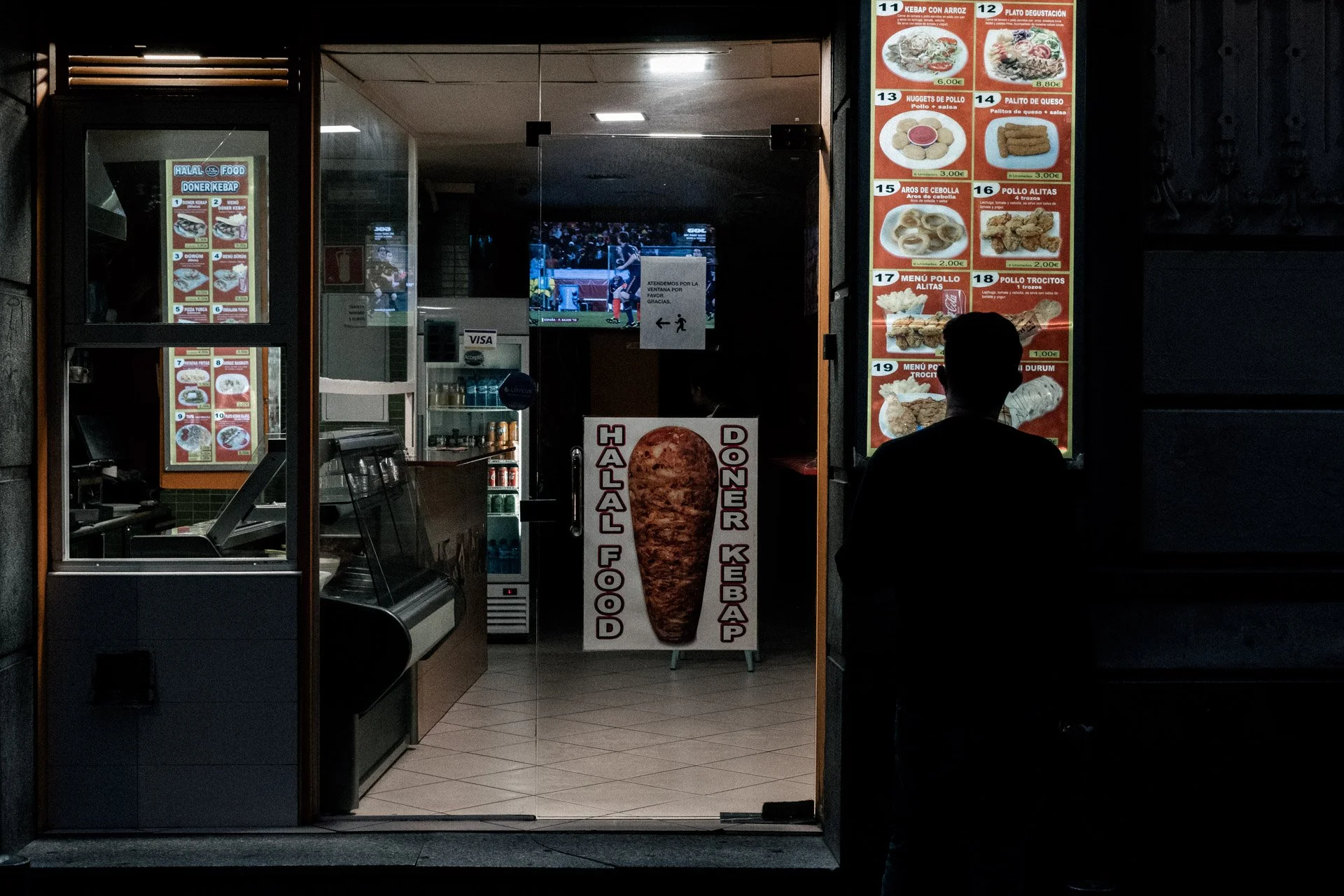
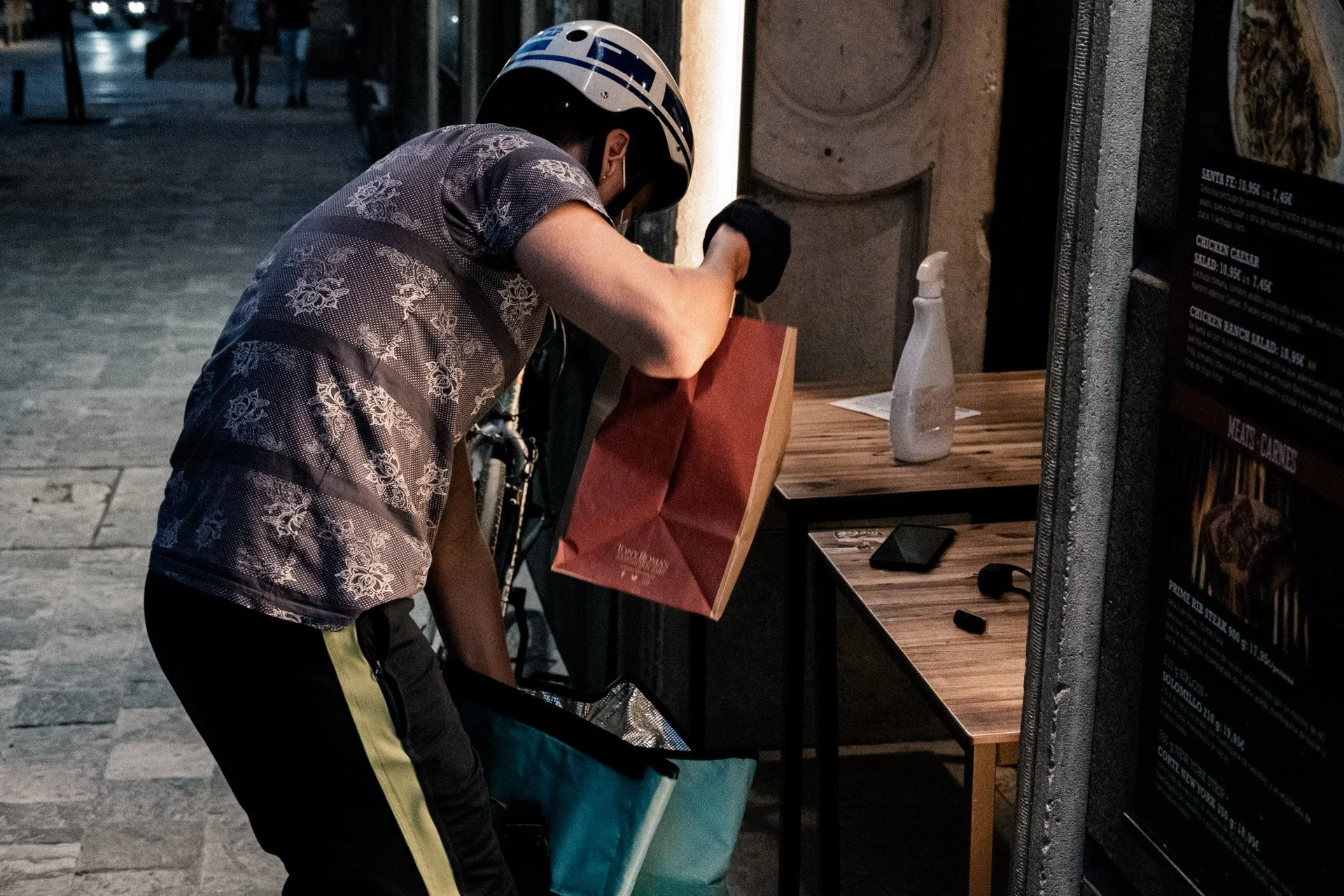
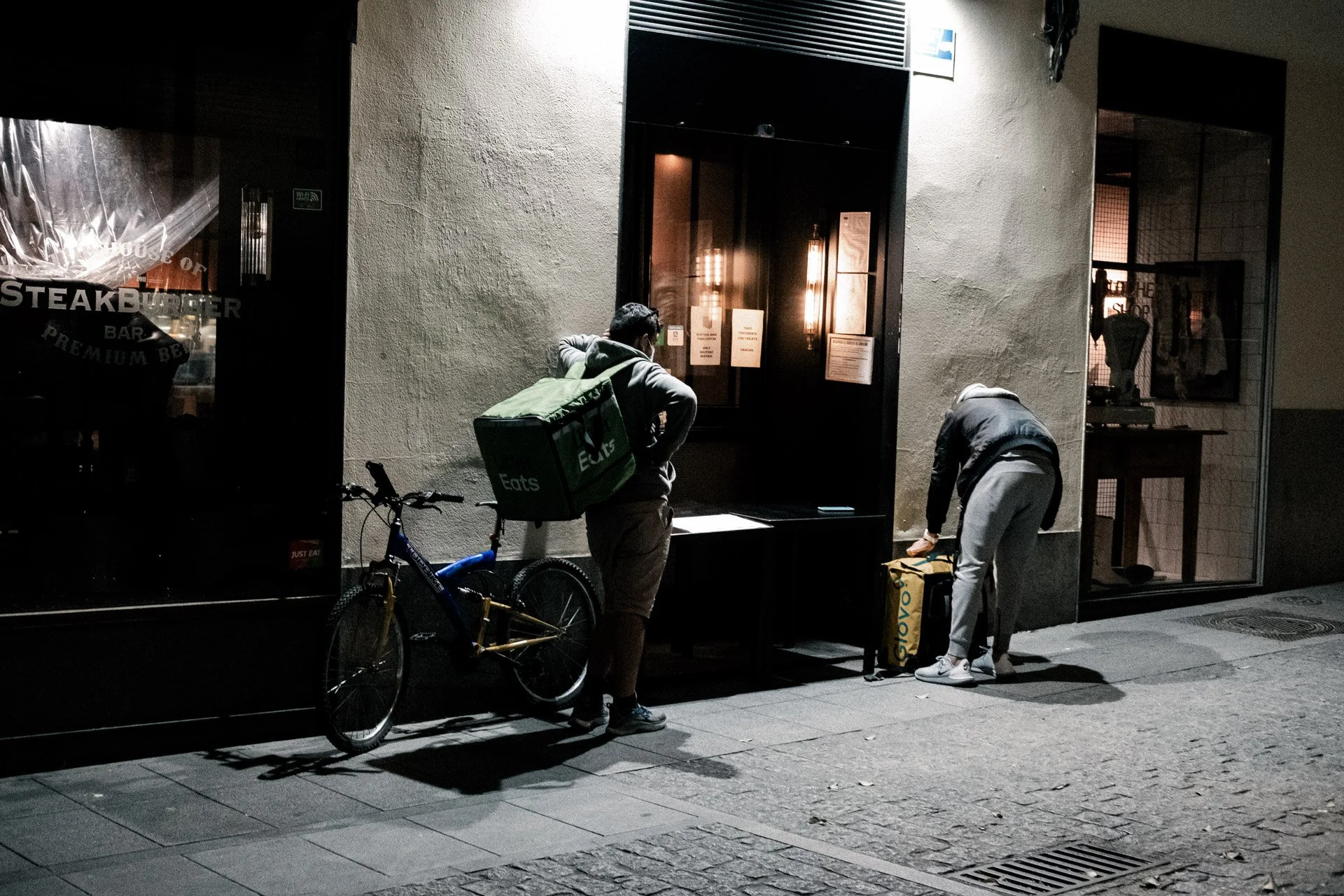
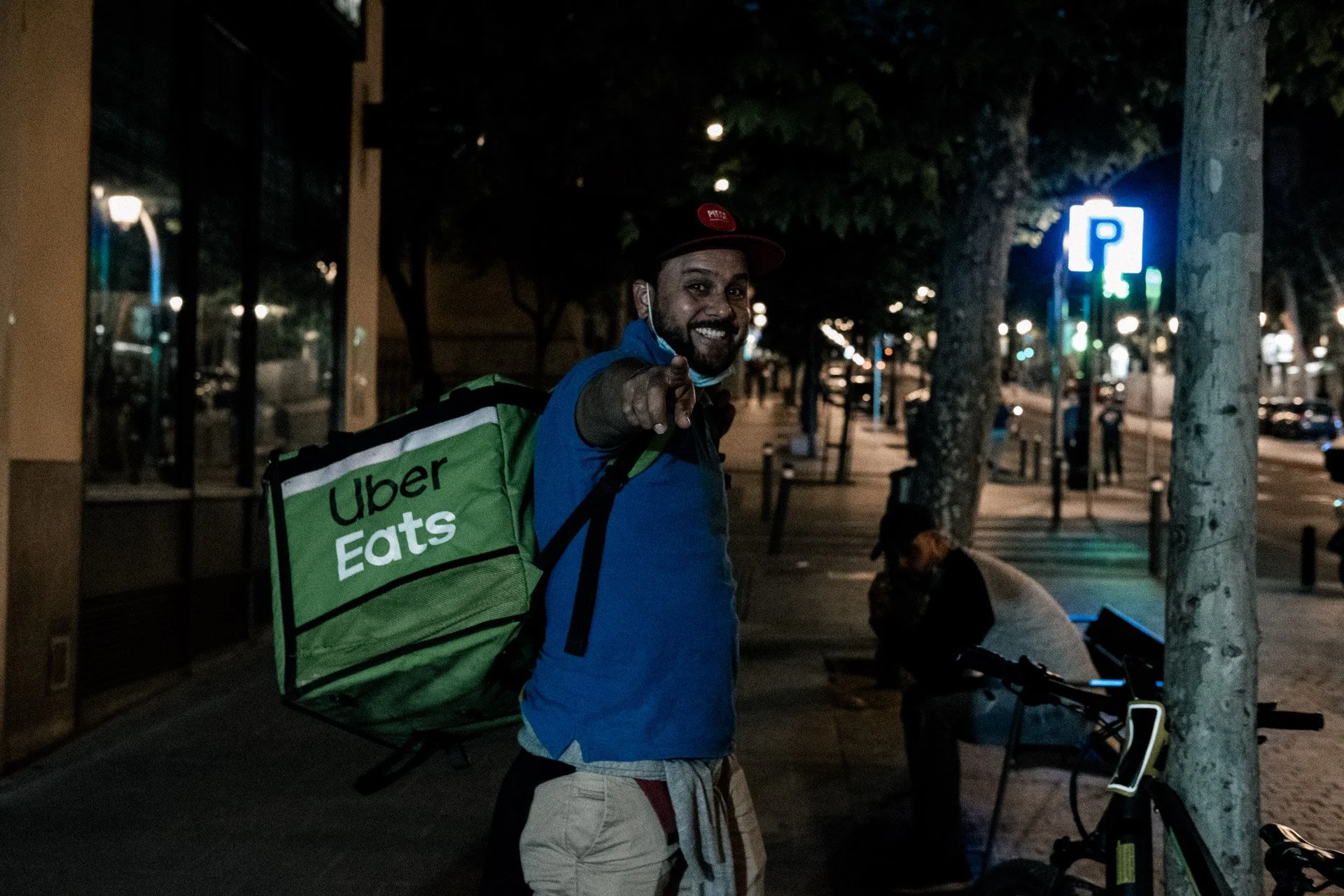
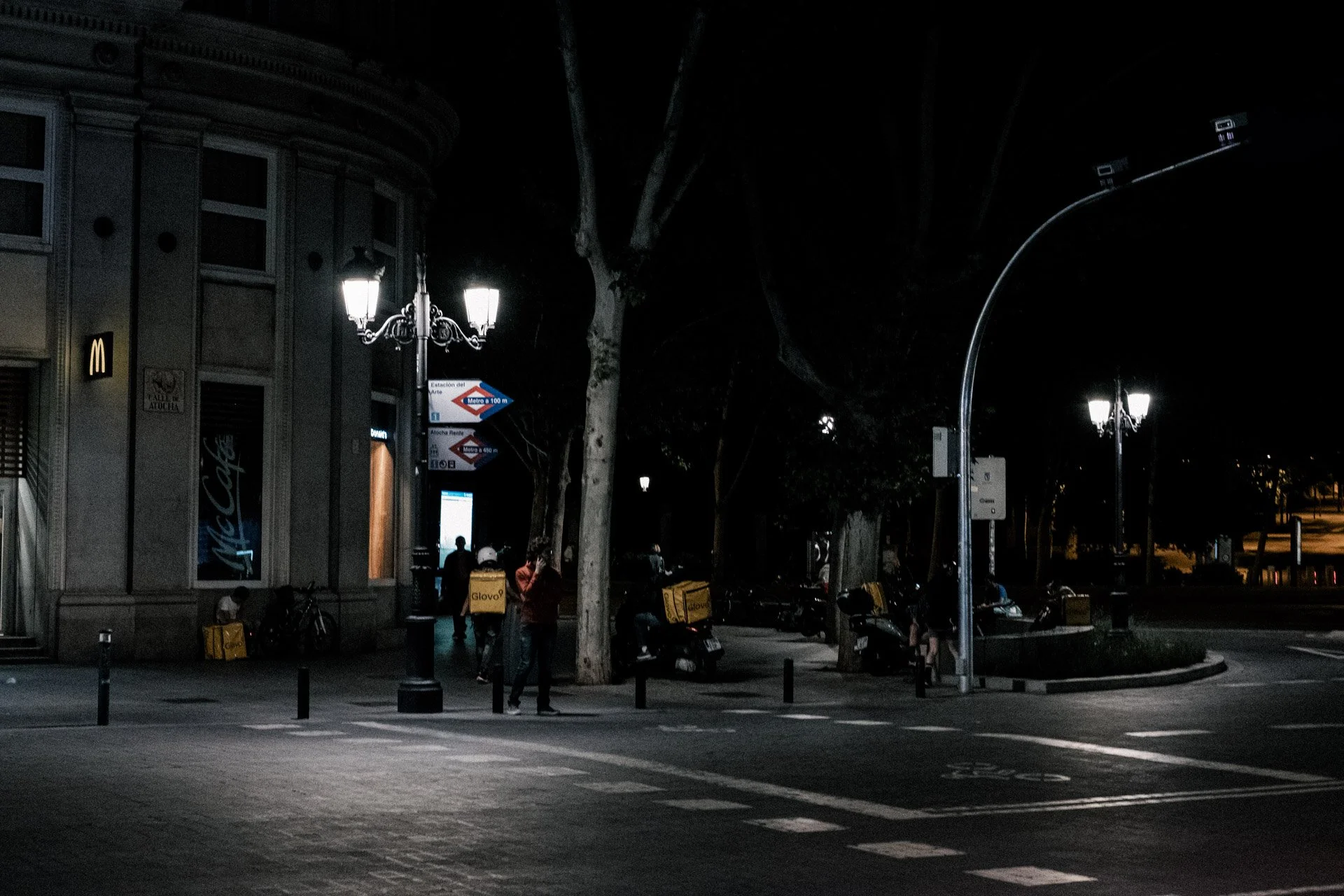
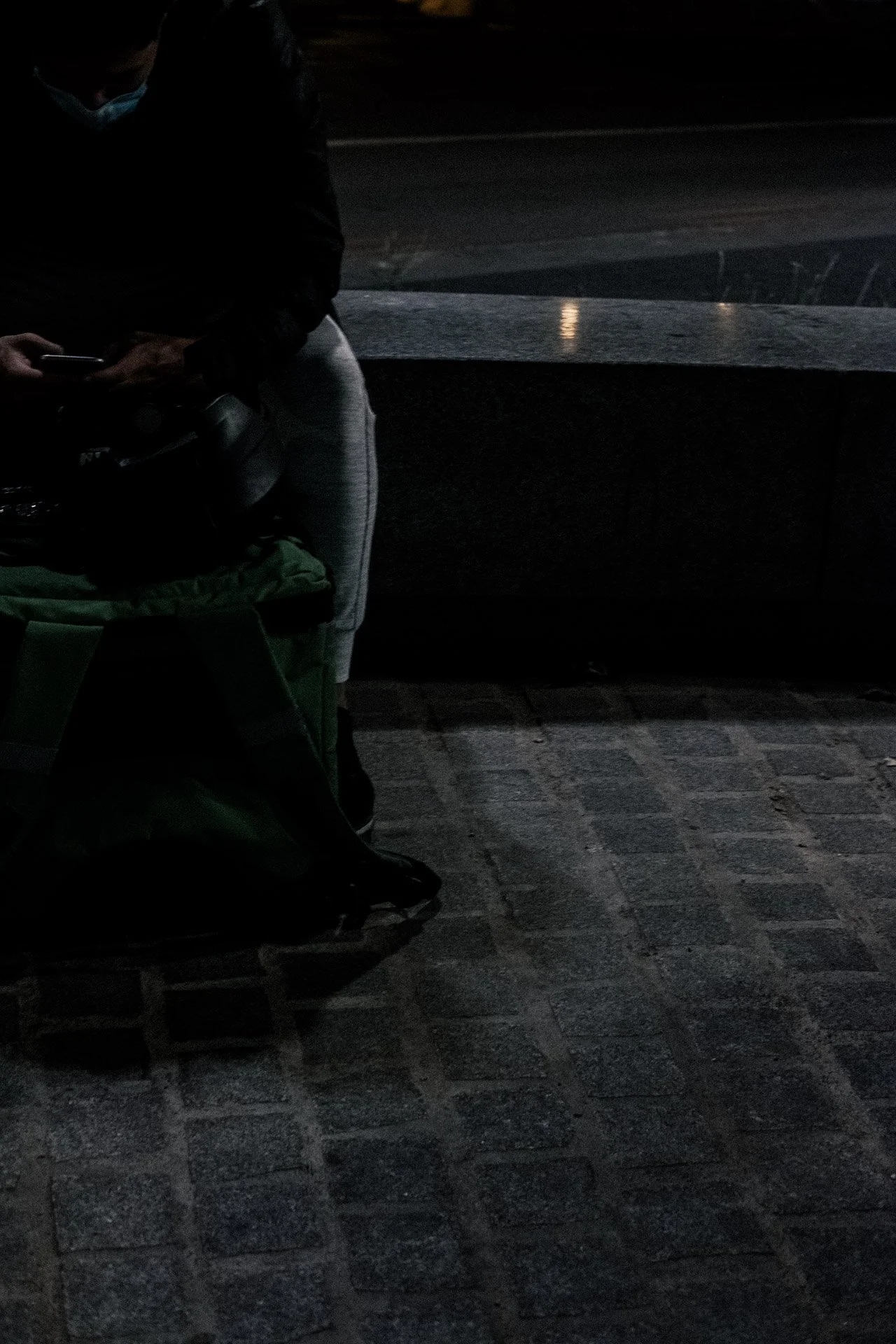
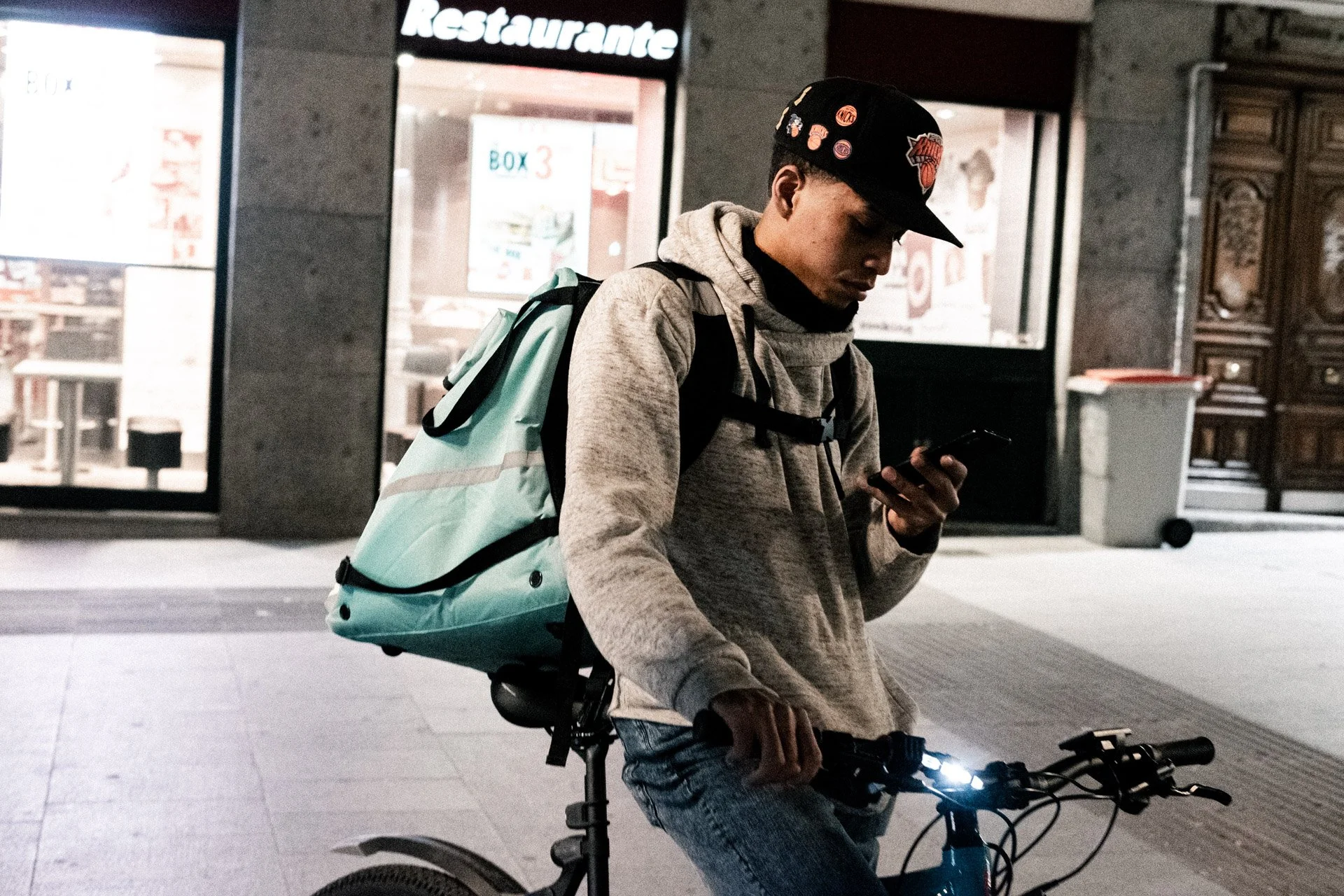
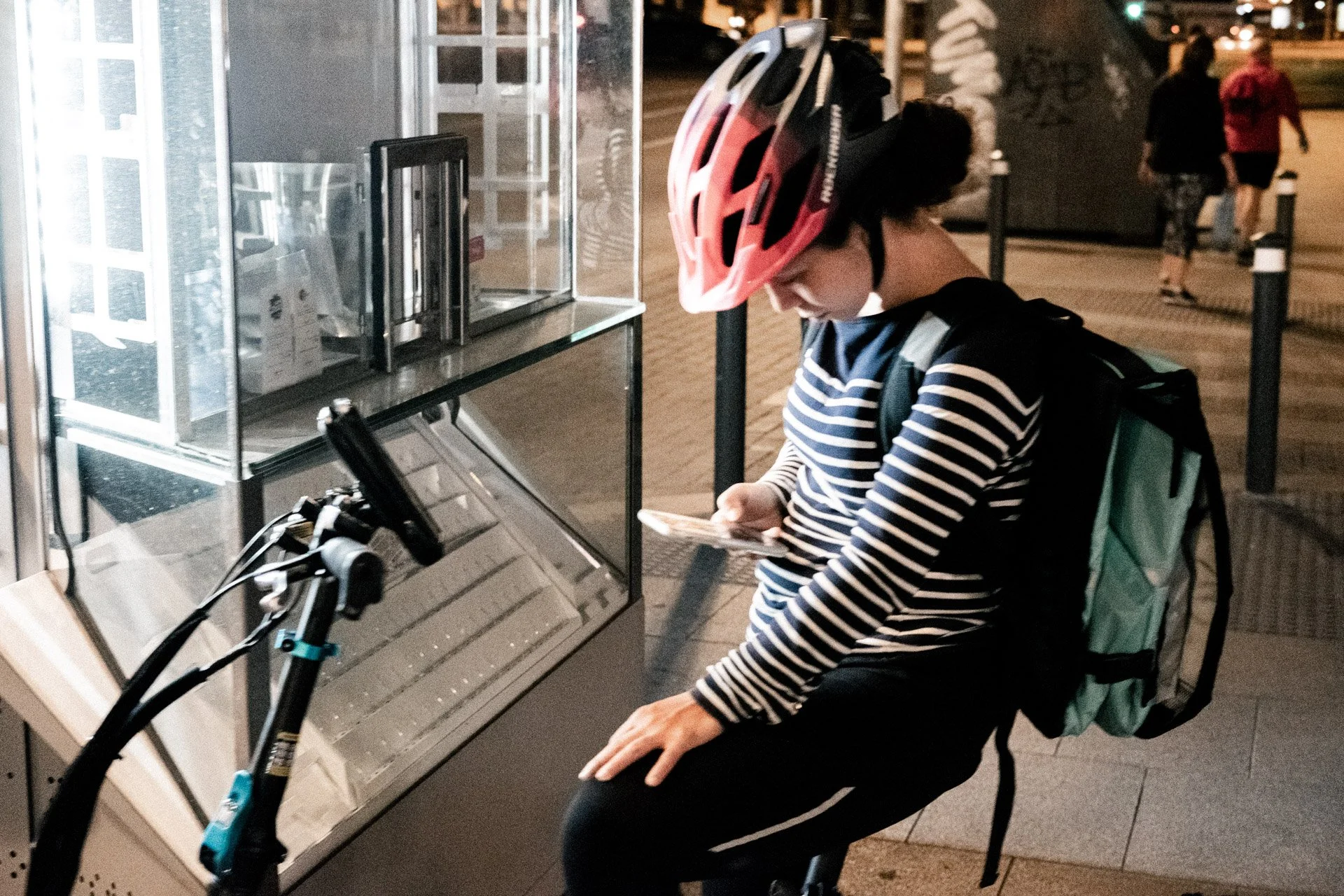
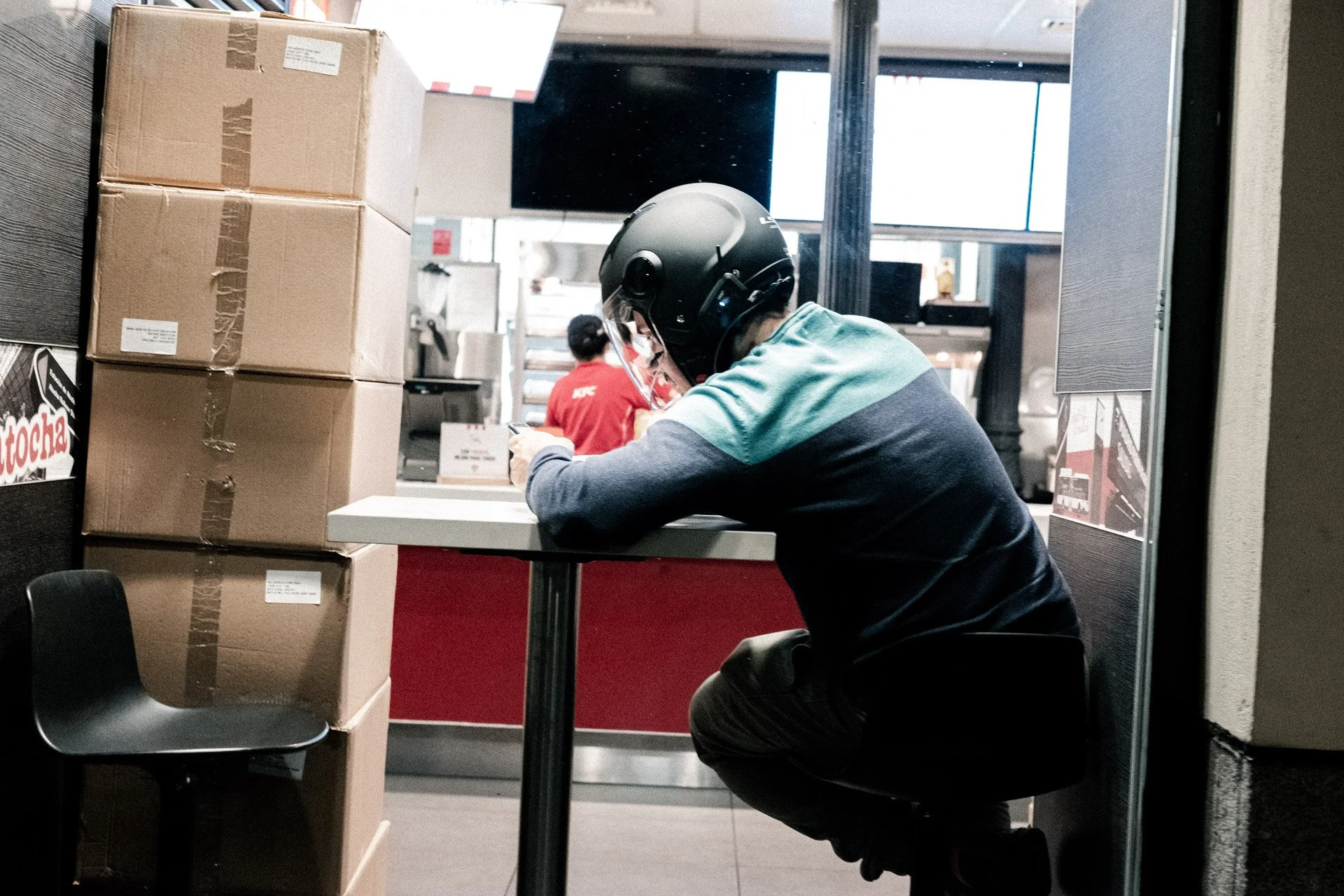
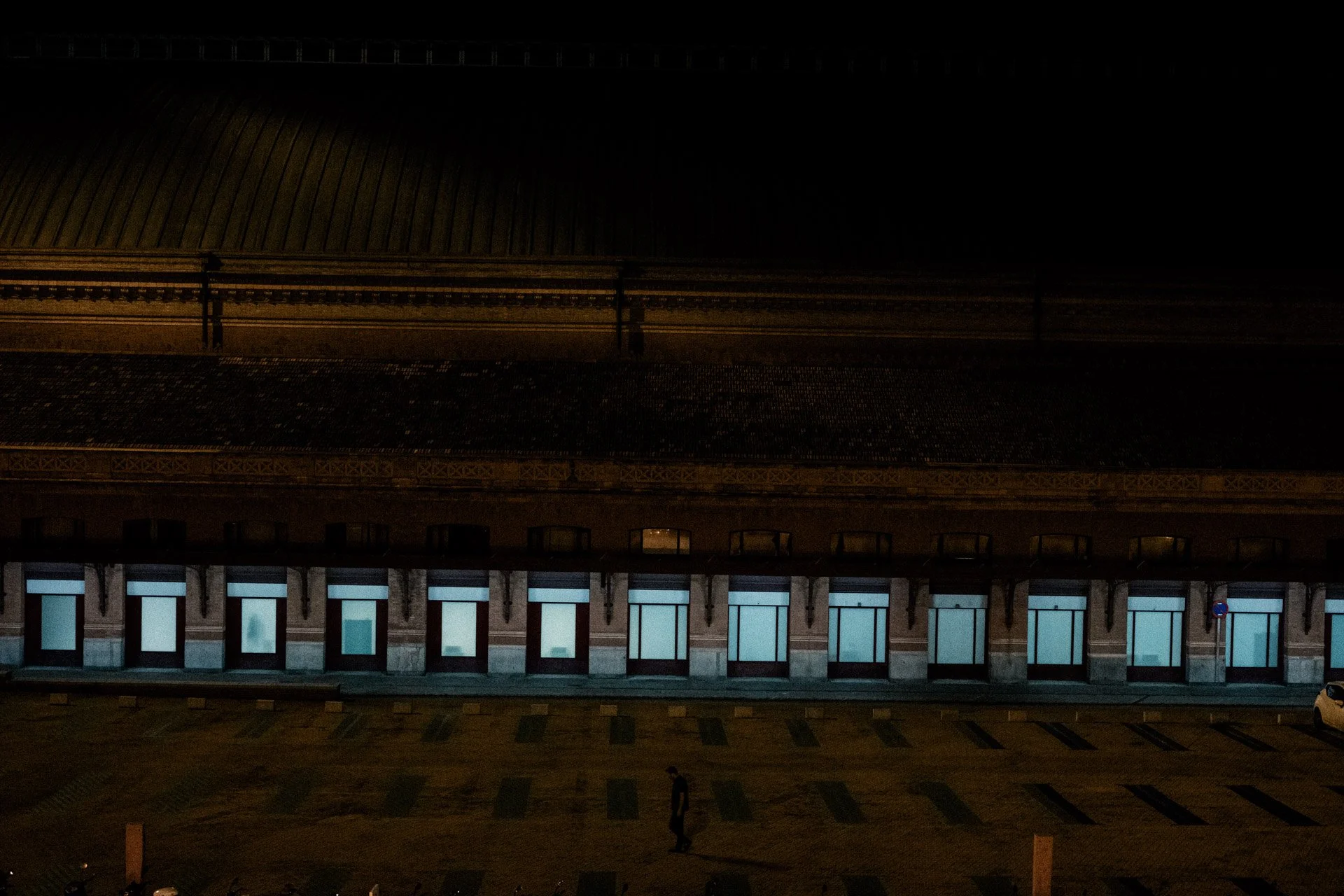
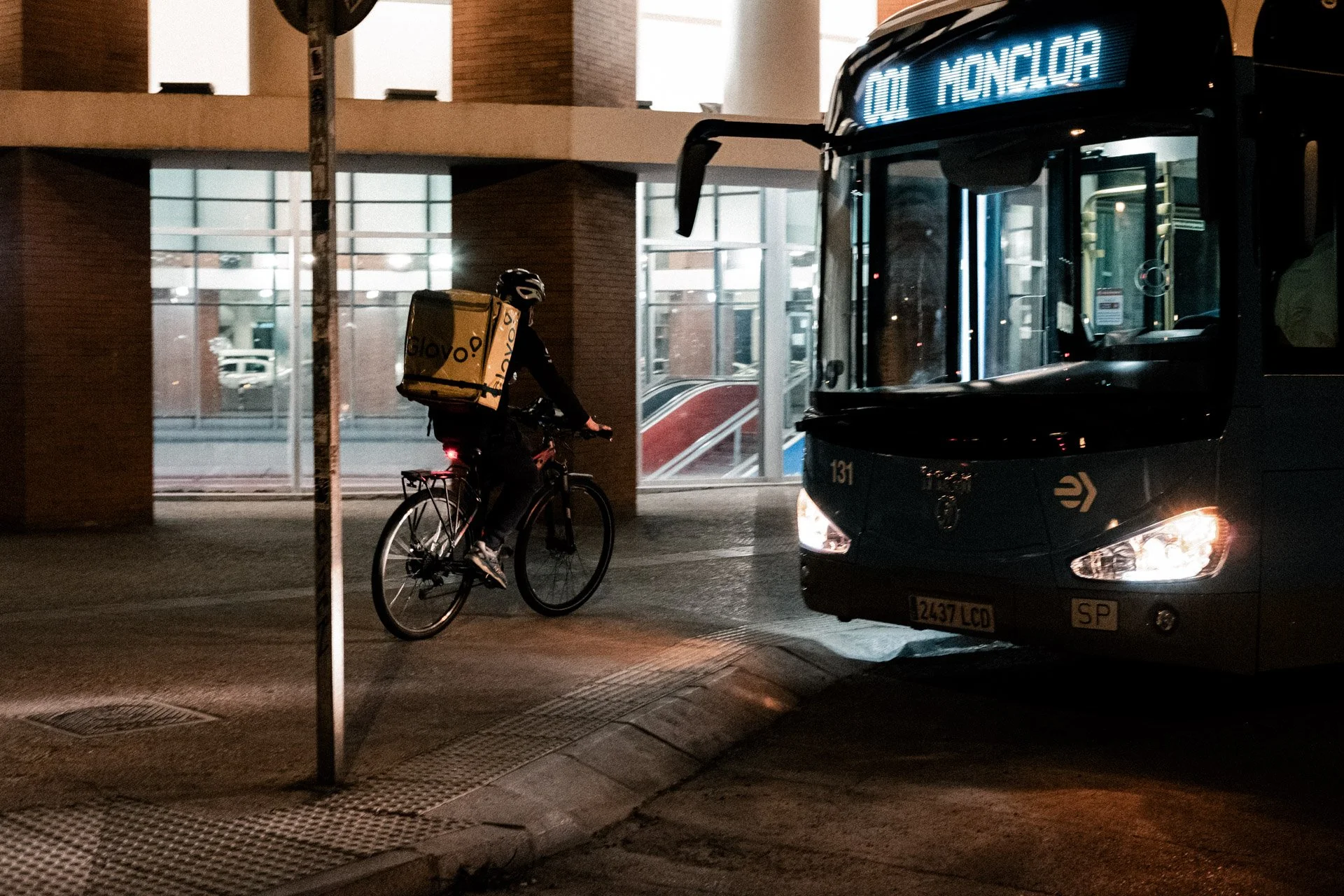
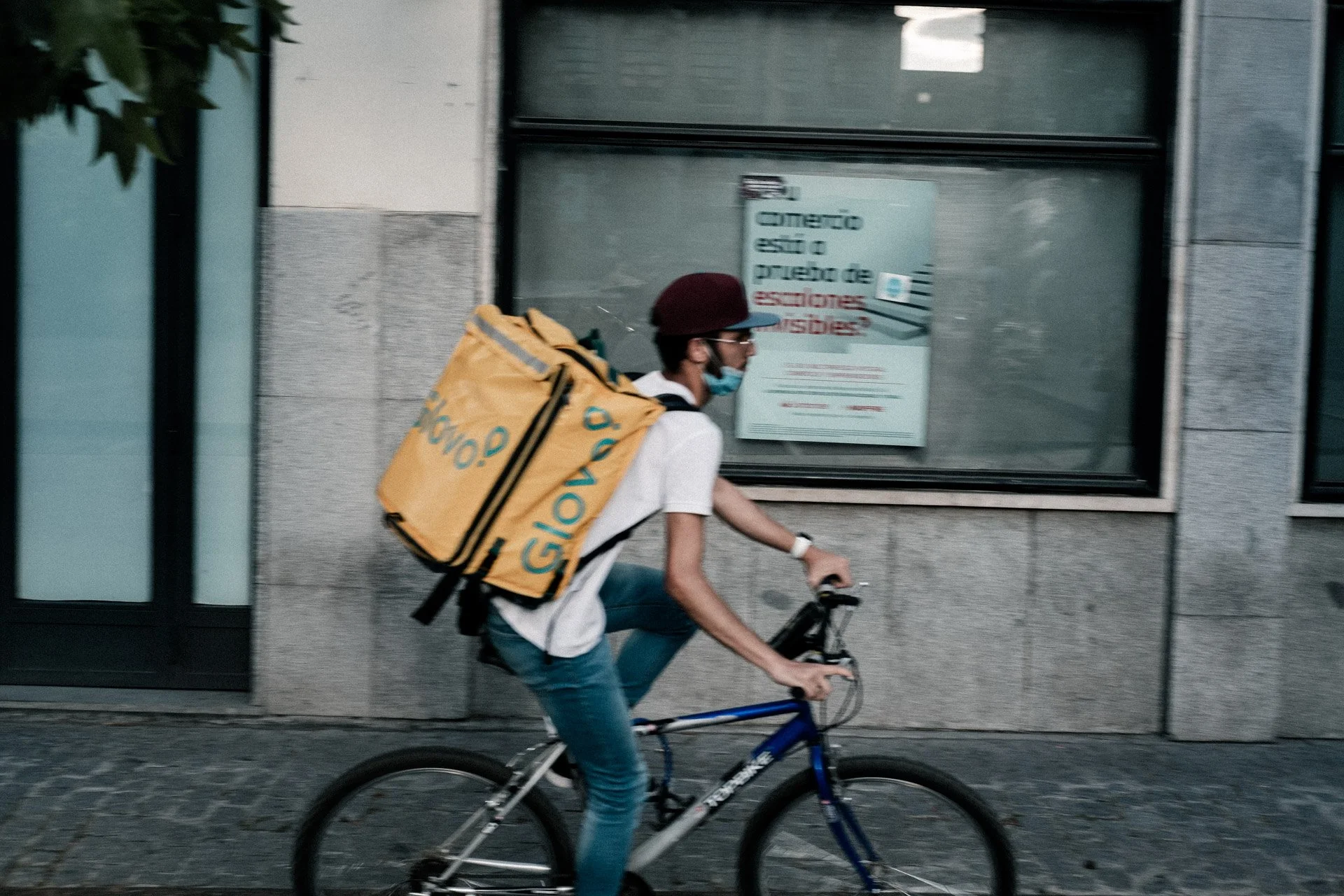
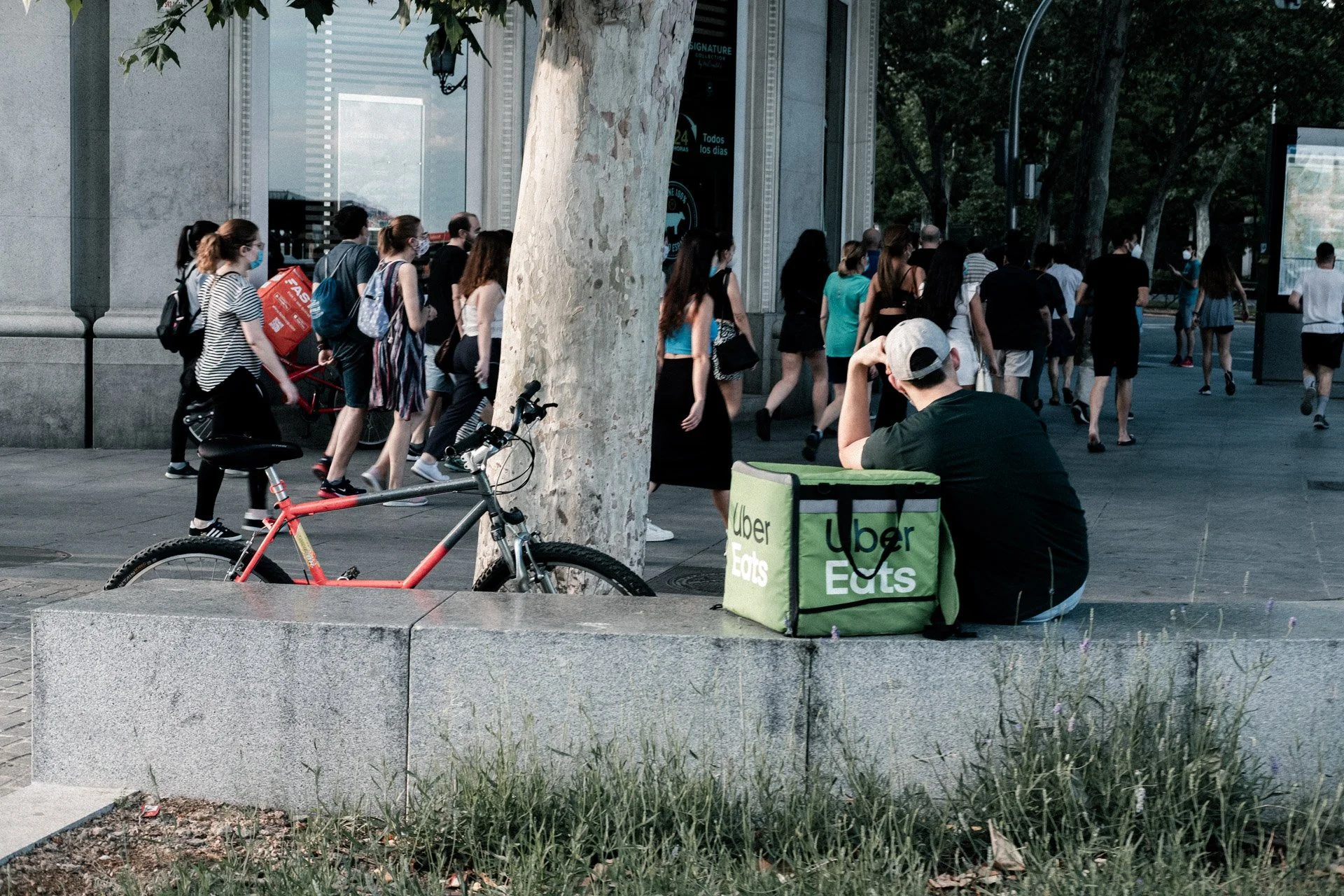
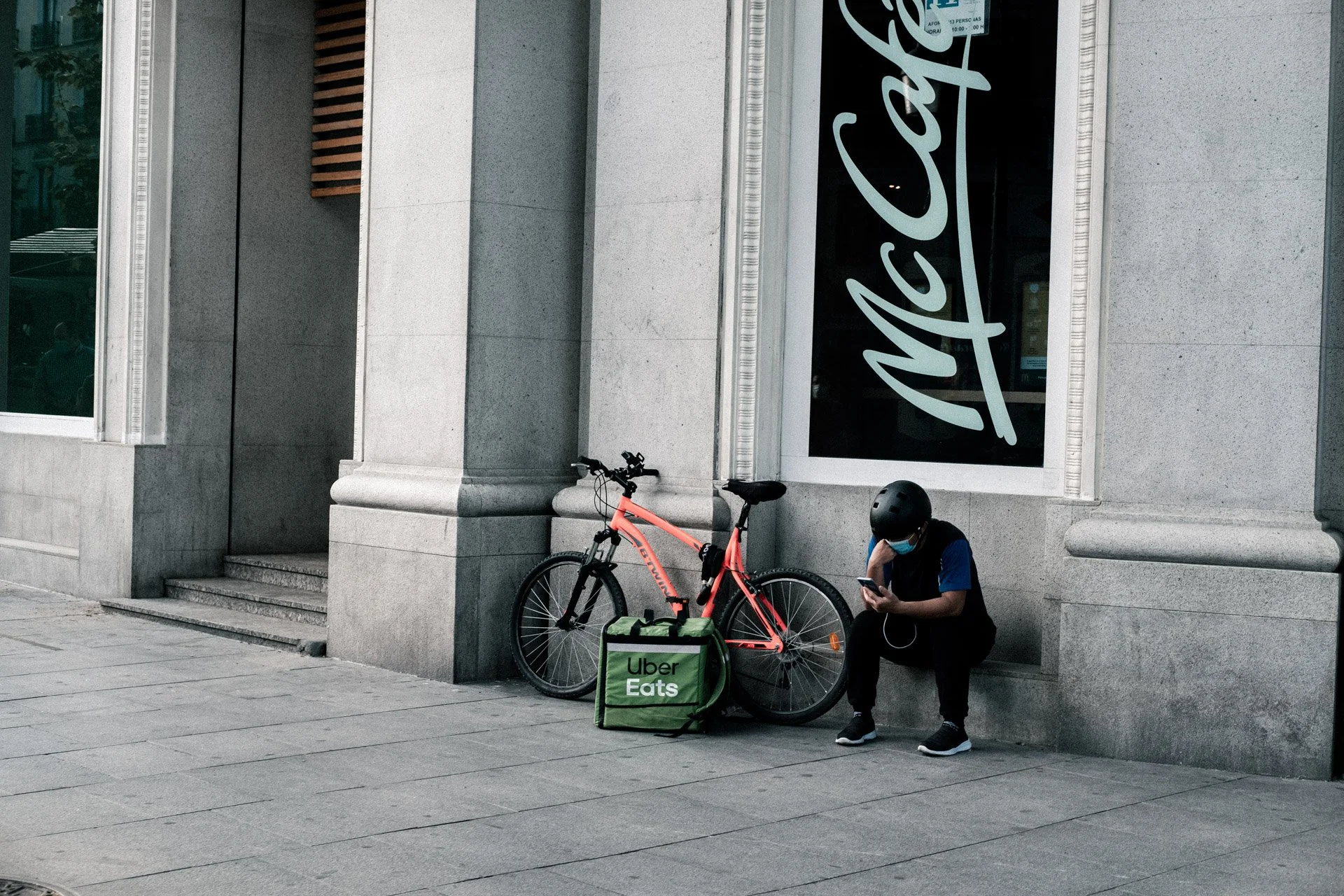
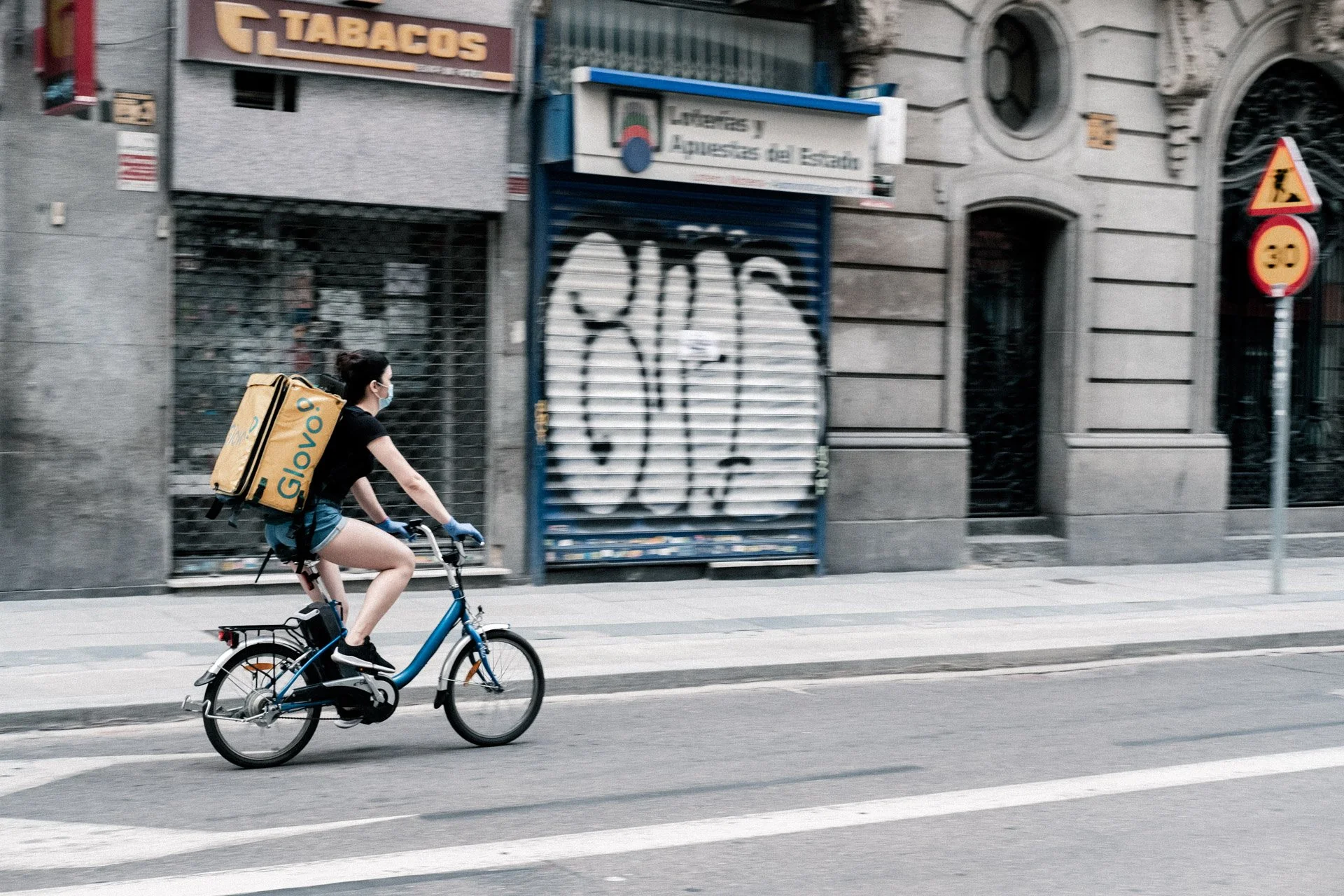
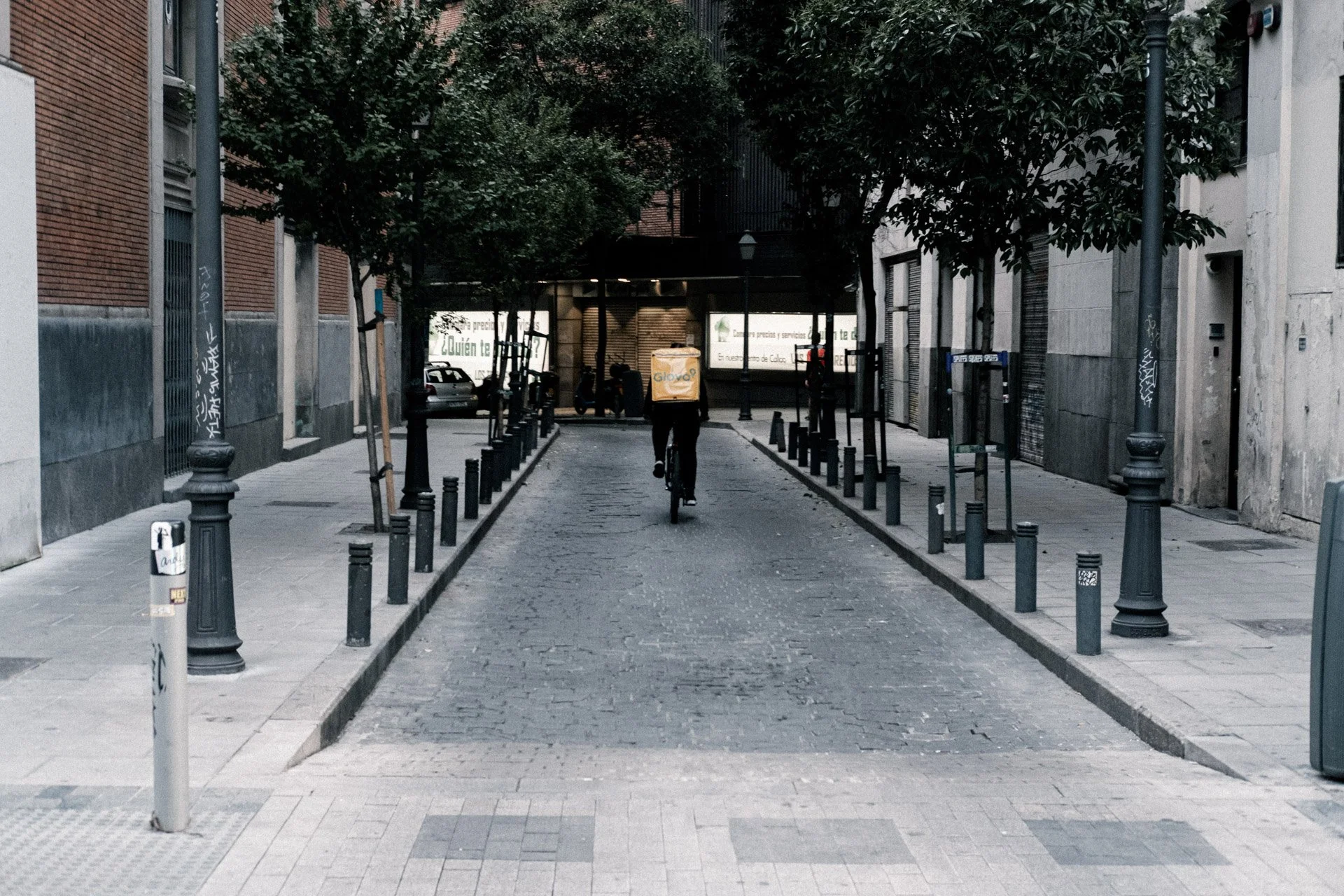
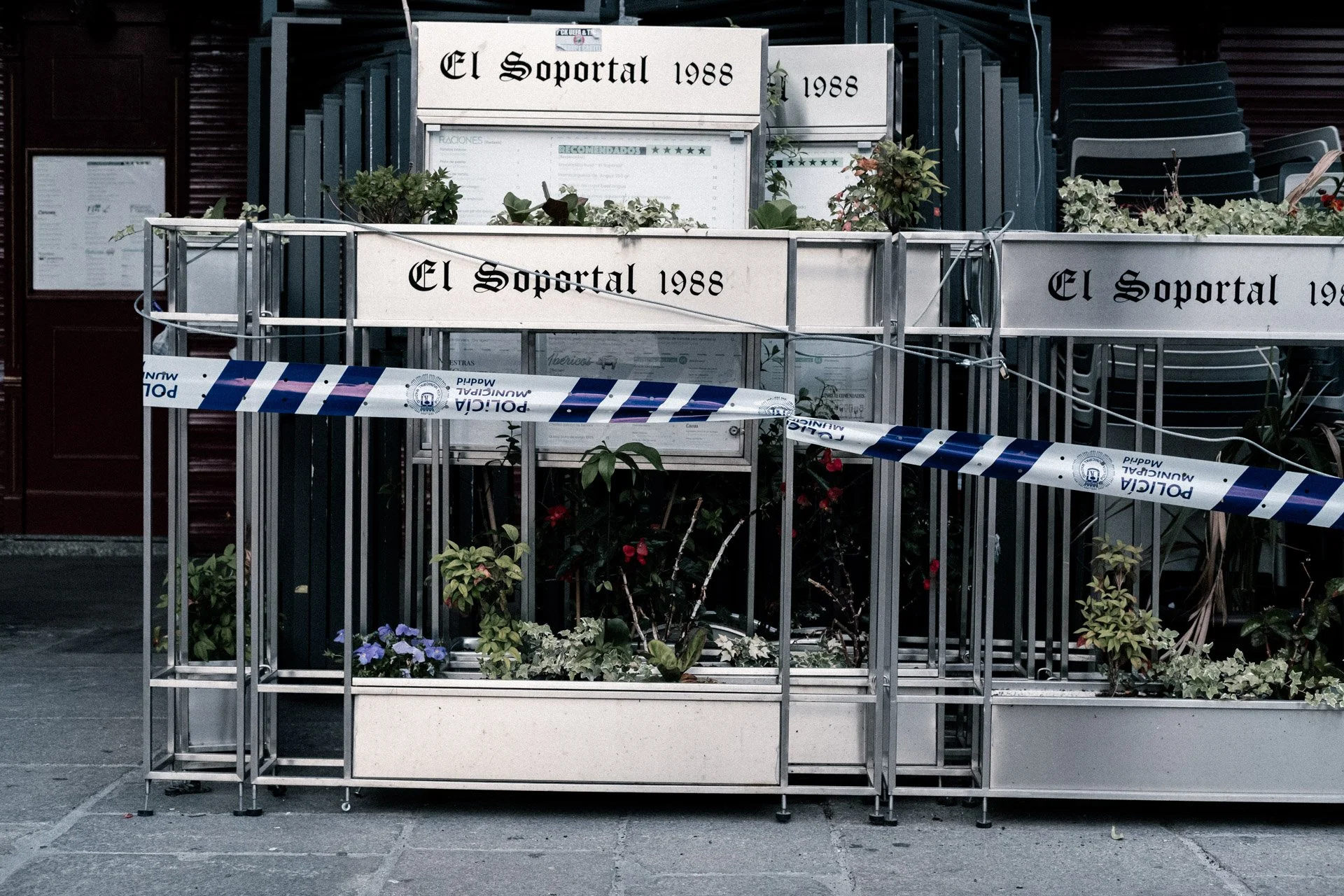
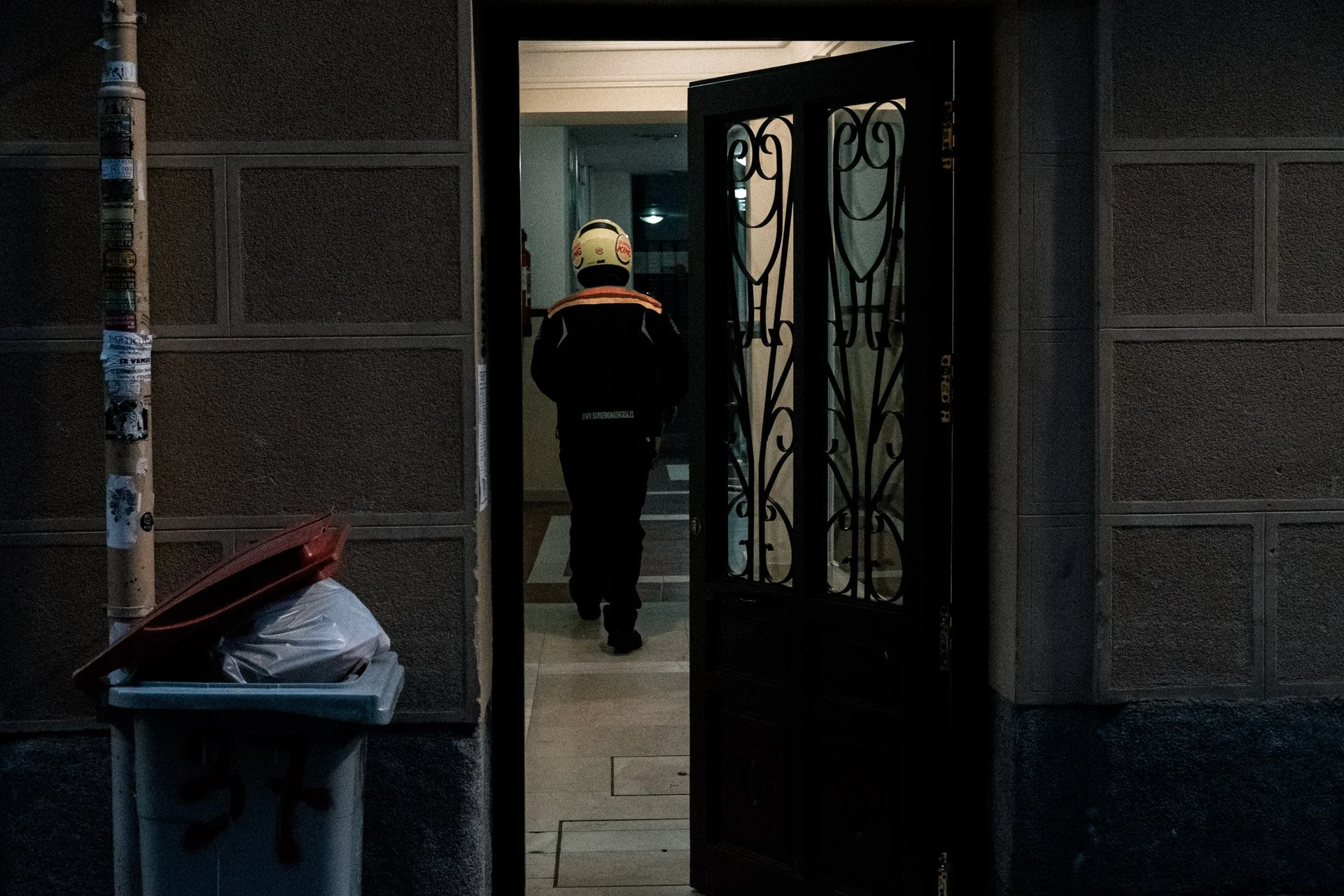
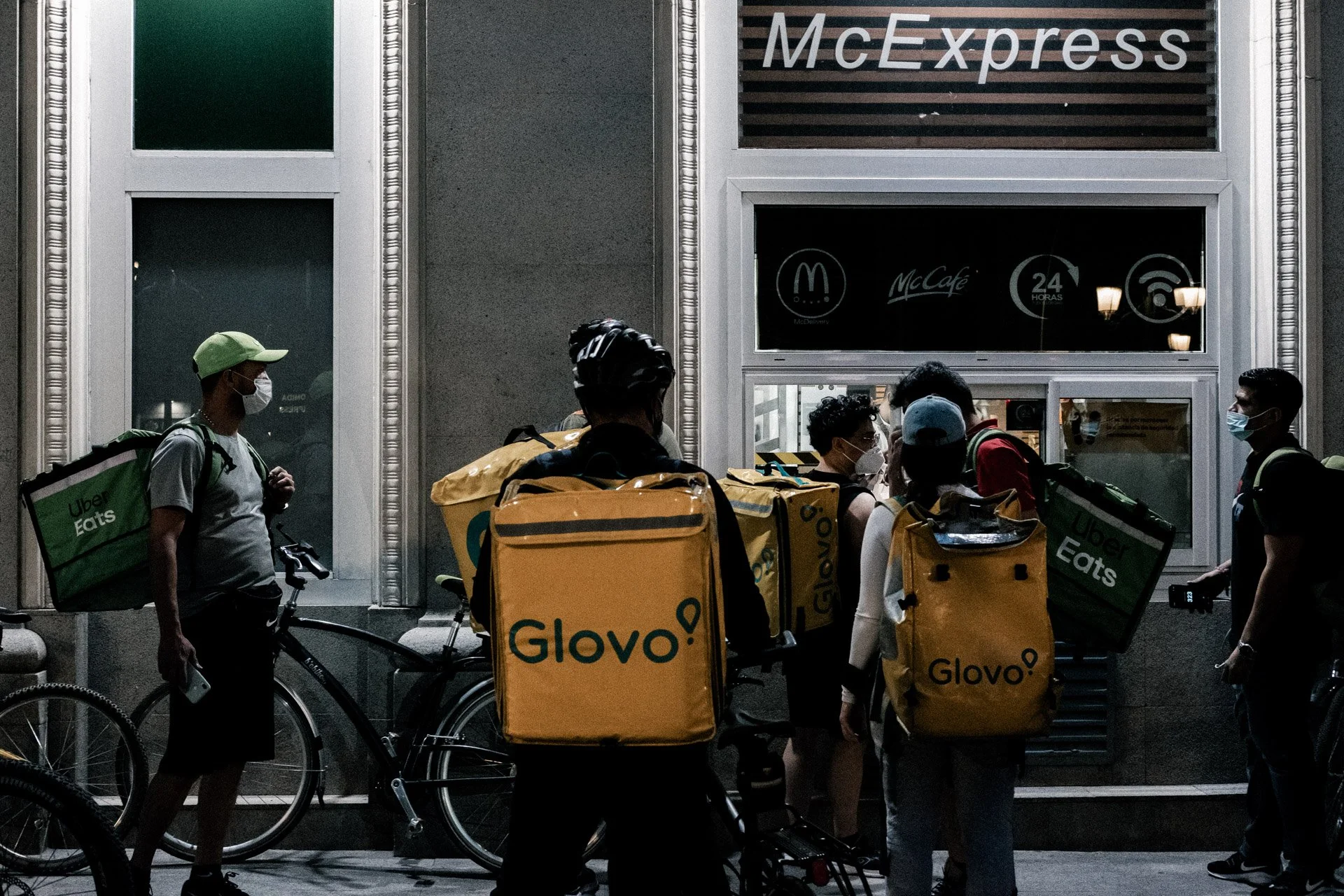
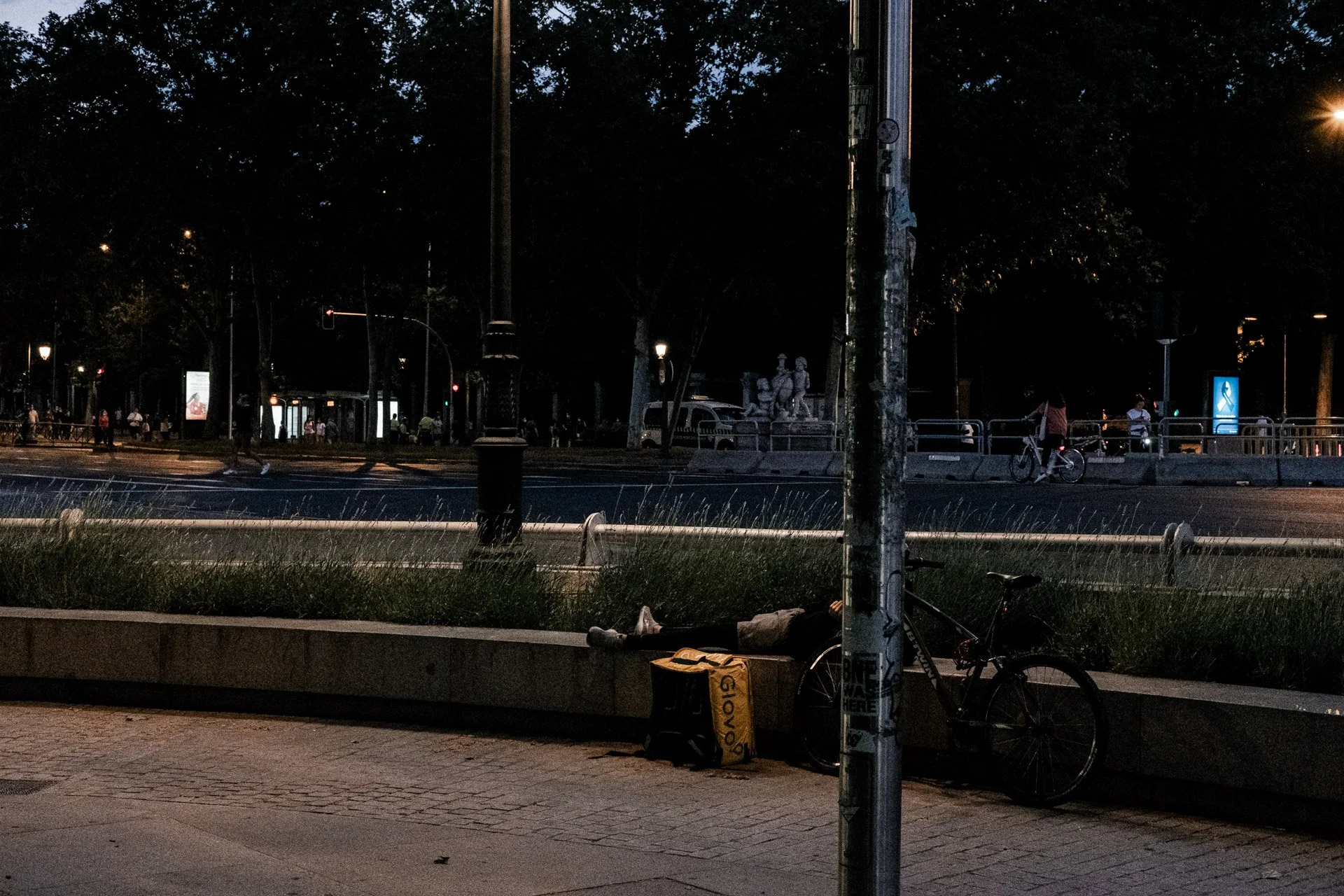
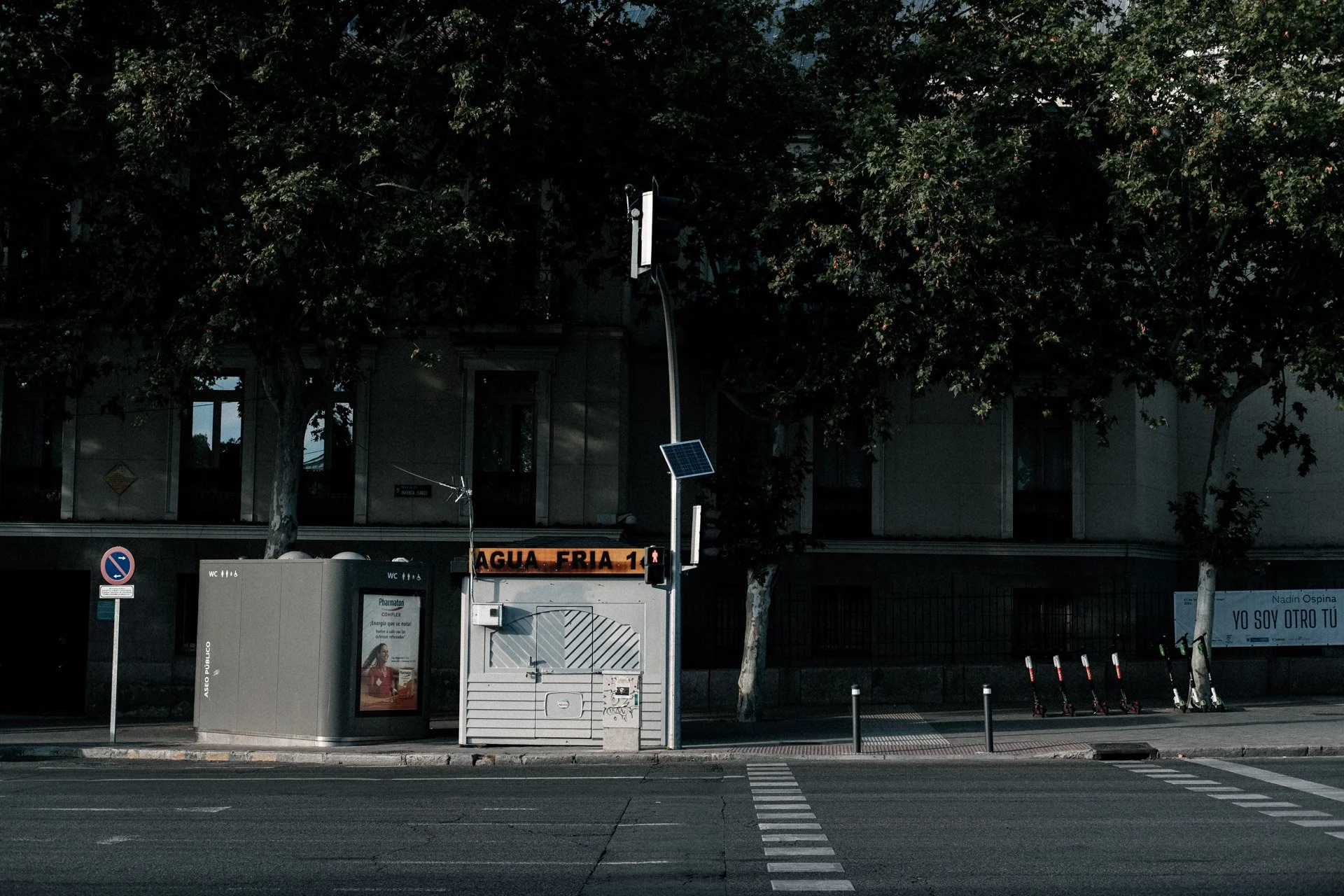
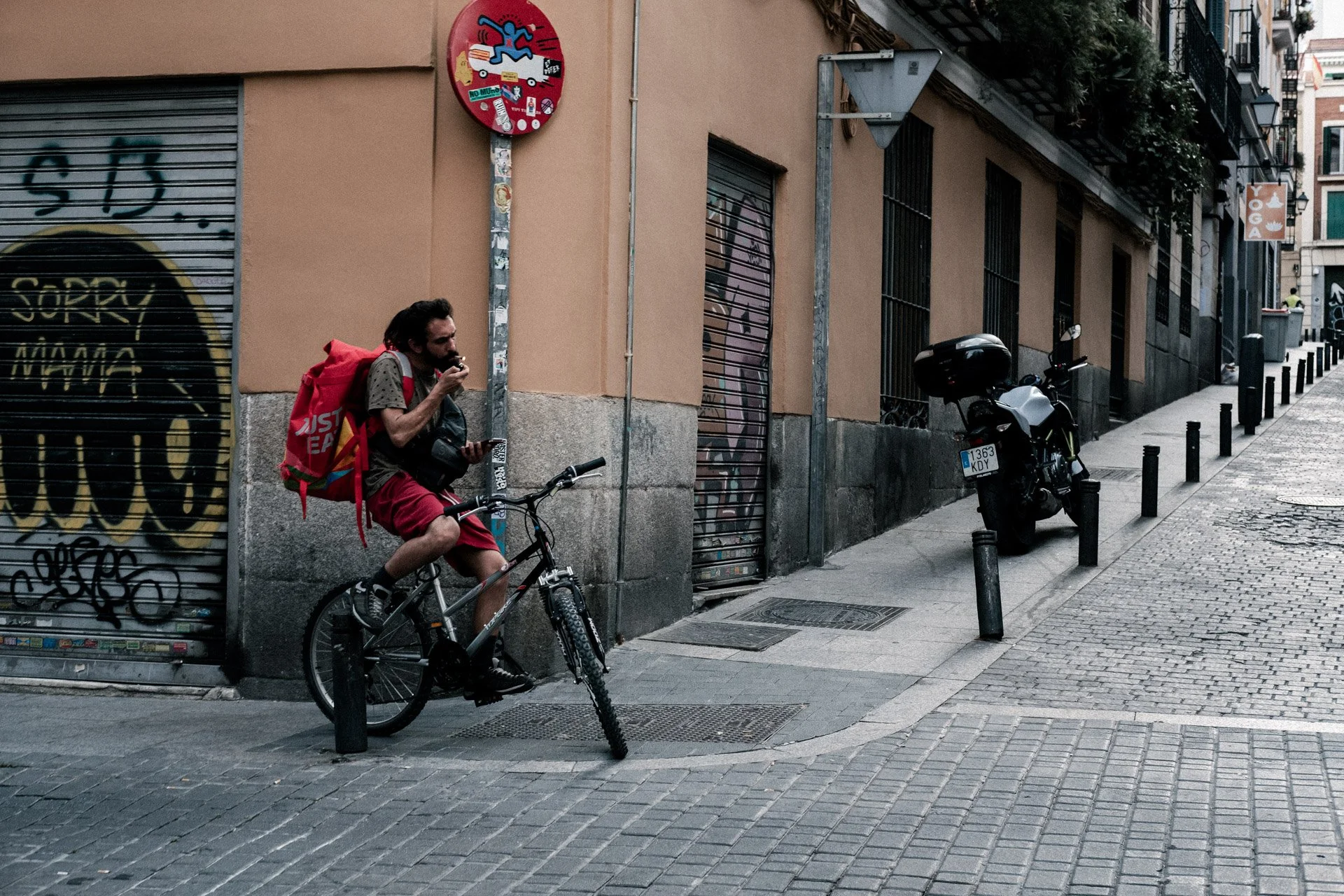
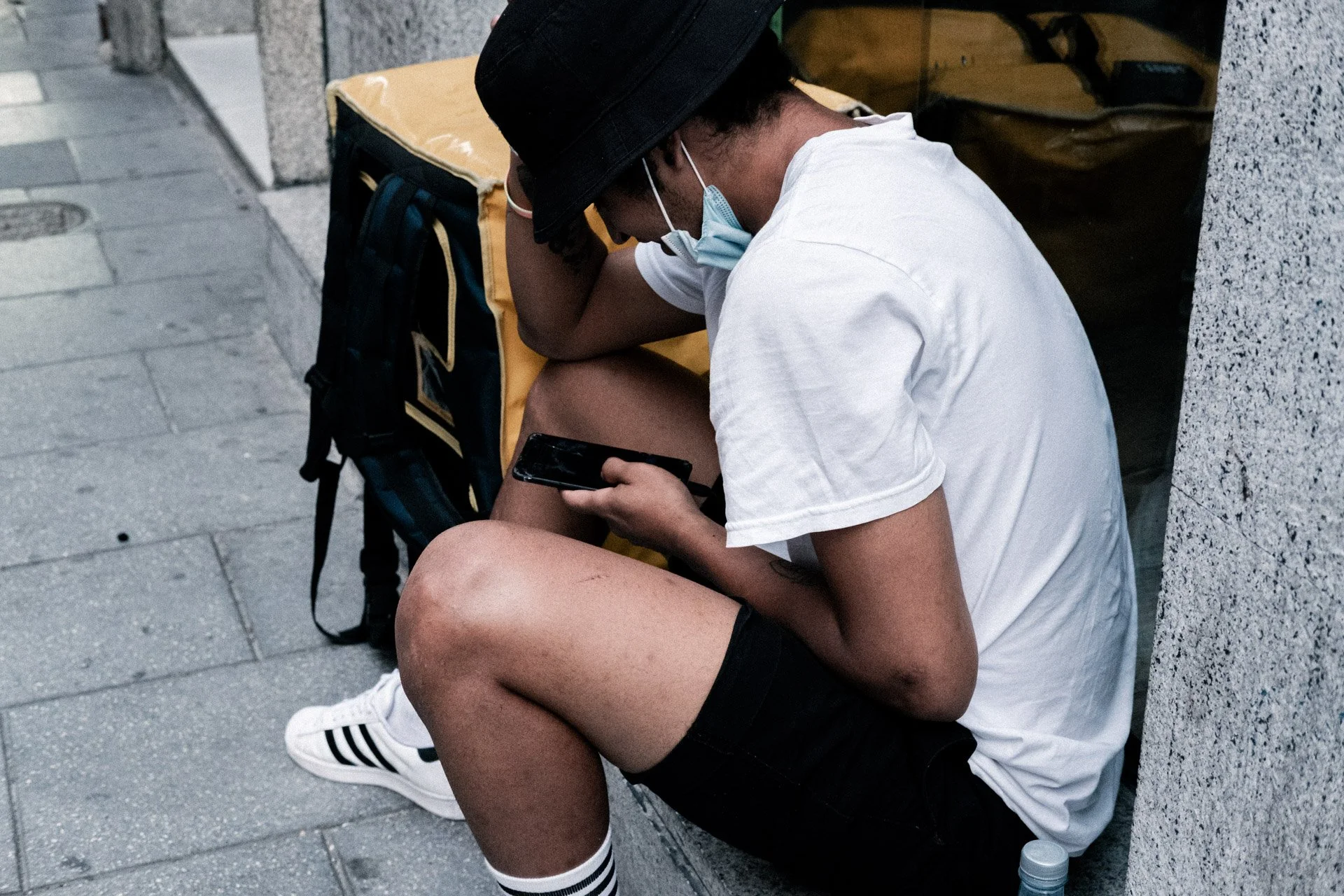
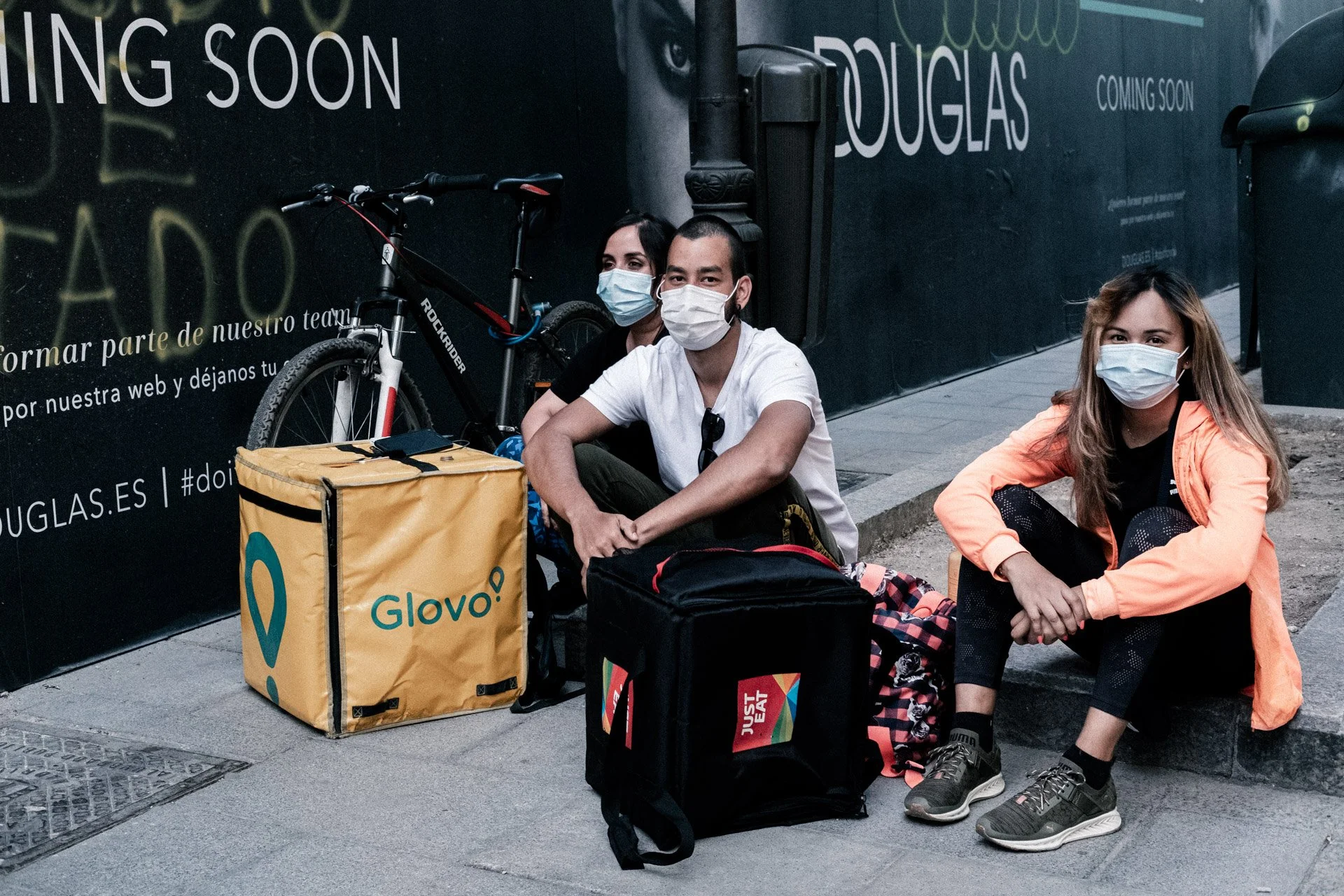
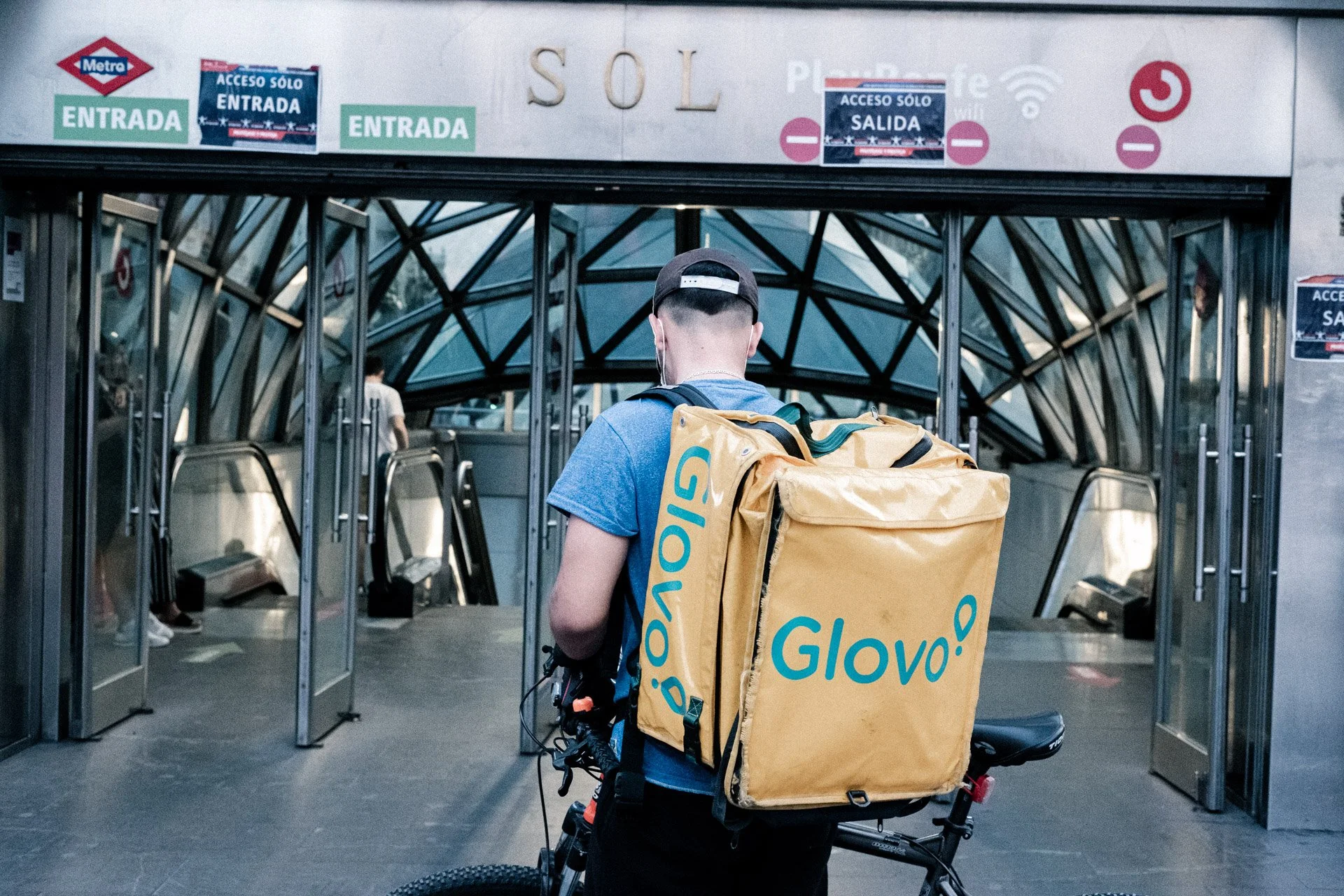
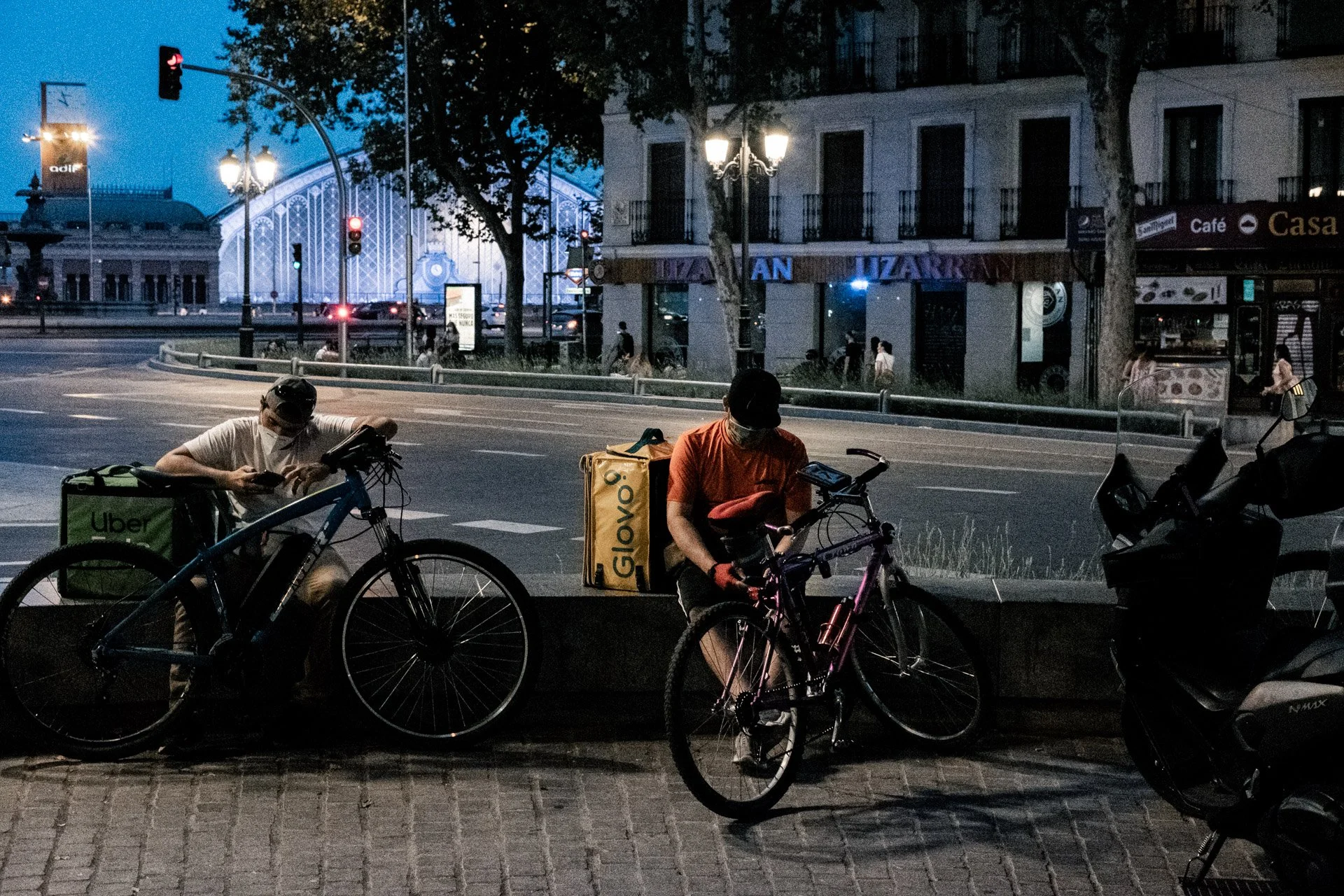
In the spring of 2020, as Madrid fell silent under the COVID-19 lockdown, and while much of the population remained confined to their homes, bicycle couriers continued moving through the deserted streets, carrying food between restaurants and households. Their work had become an essential part of everyday life, yet the people performing it remained largely invisible.
A question emerged: was ordering food for home delivery an act of support or an unnecessary risk imposed on someone else?
Bicicletas y Mochilas (bicycles and backpacks) began with this contradiction. It wasn’t a necesity, it was a luxury that many of us could access to. Ordering food meant potentially exposing a delivery rider to infection. Not ordering, however, meant withholding work from someone whose livelihood depended on it.
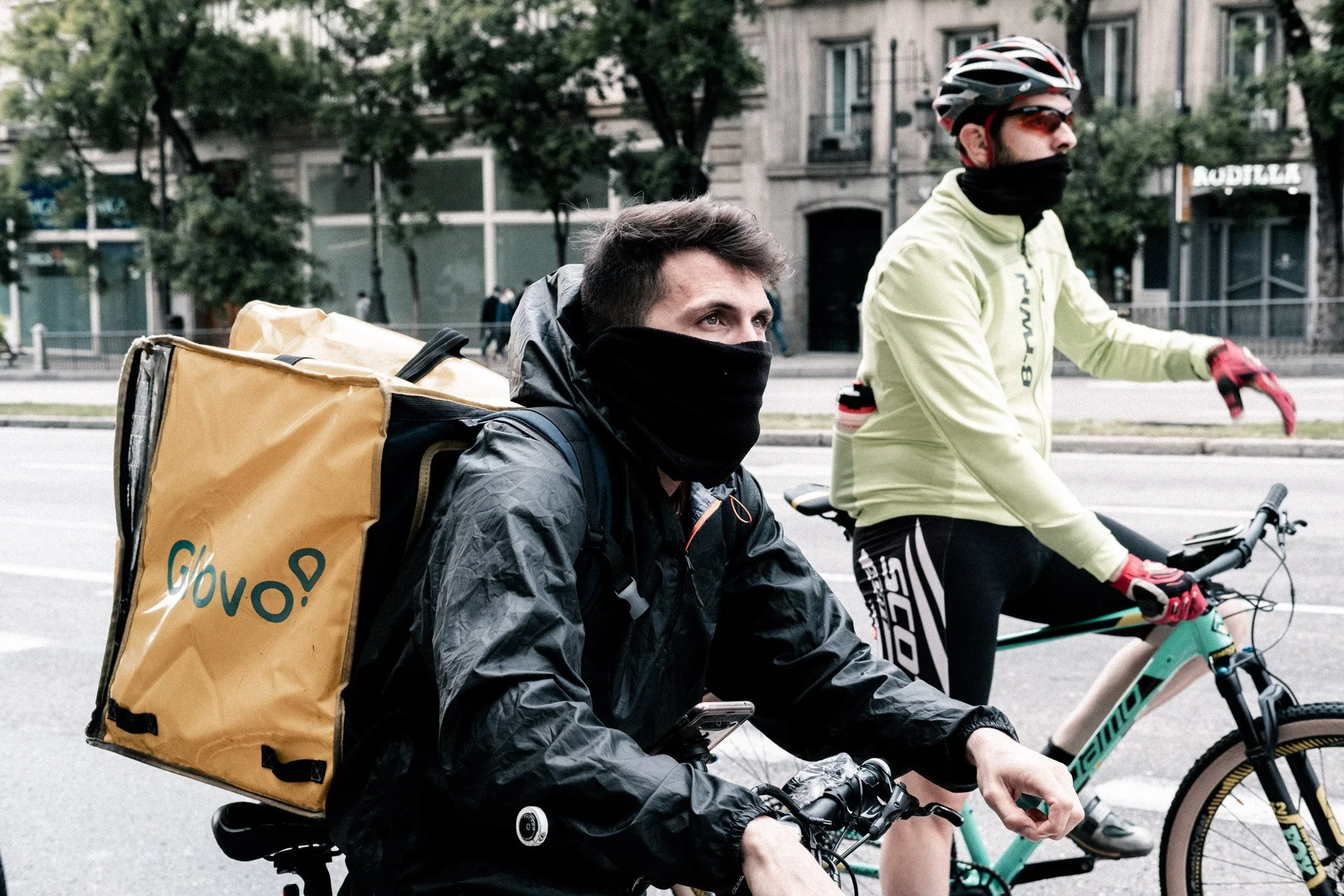
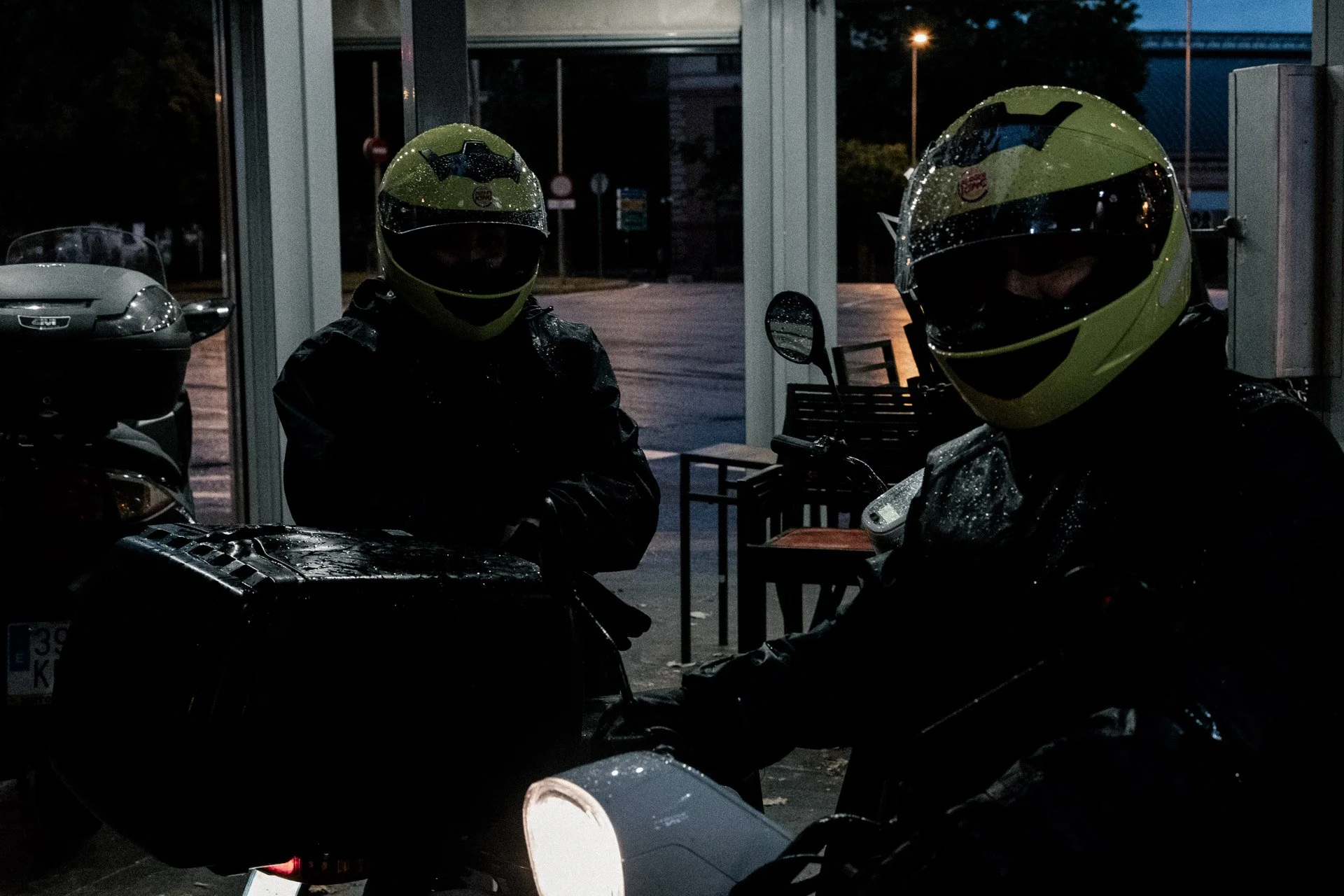
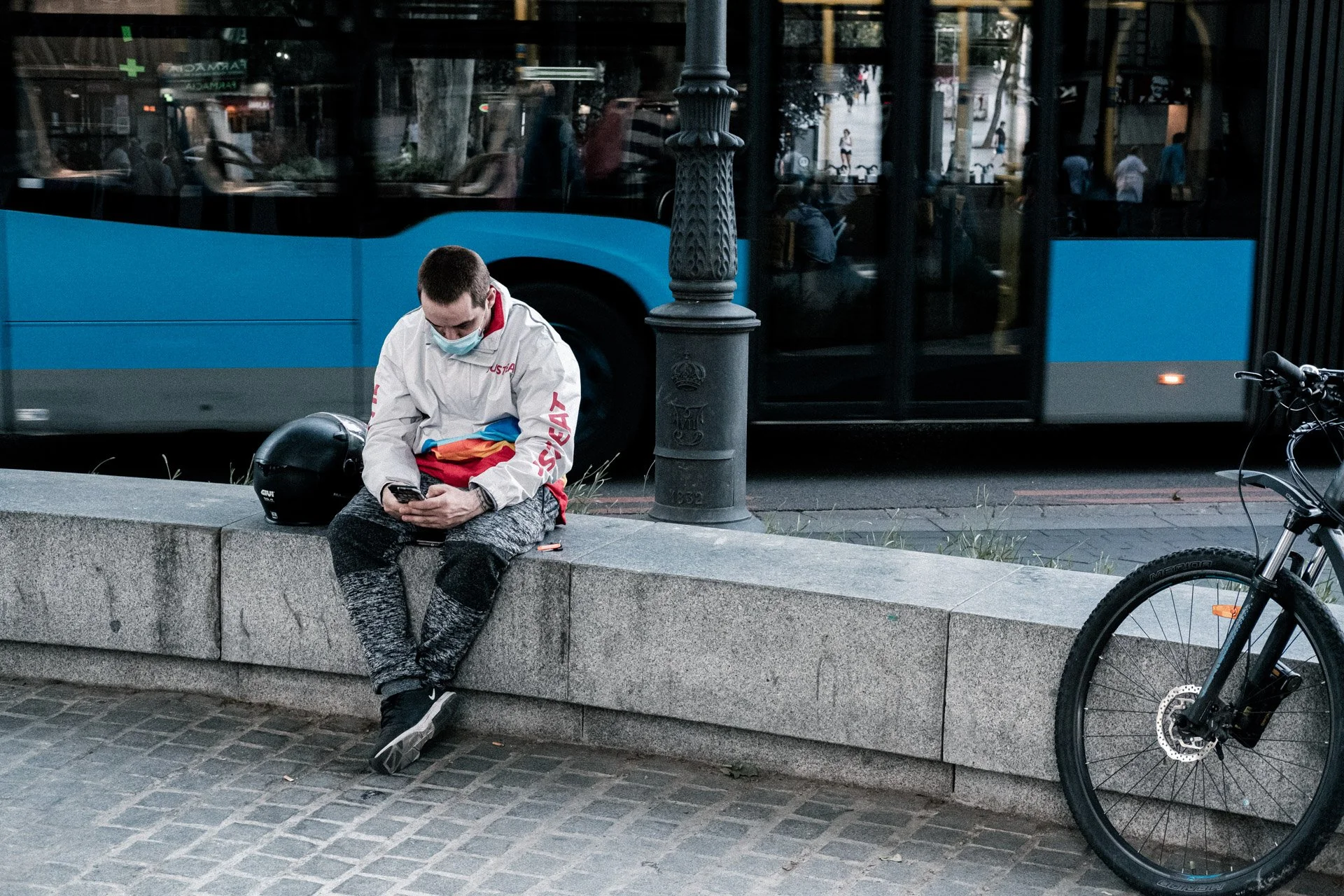
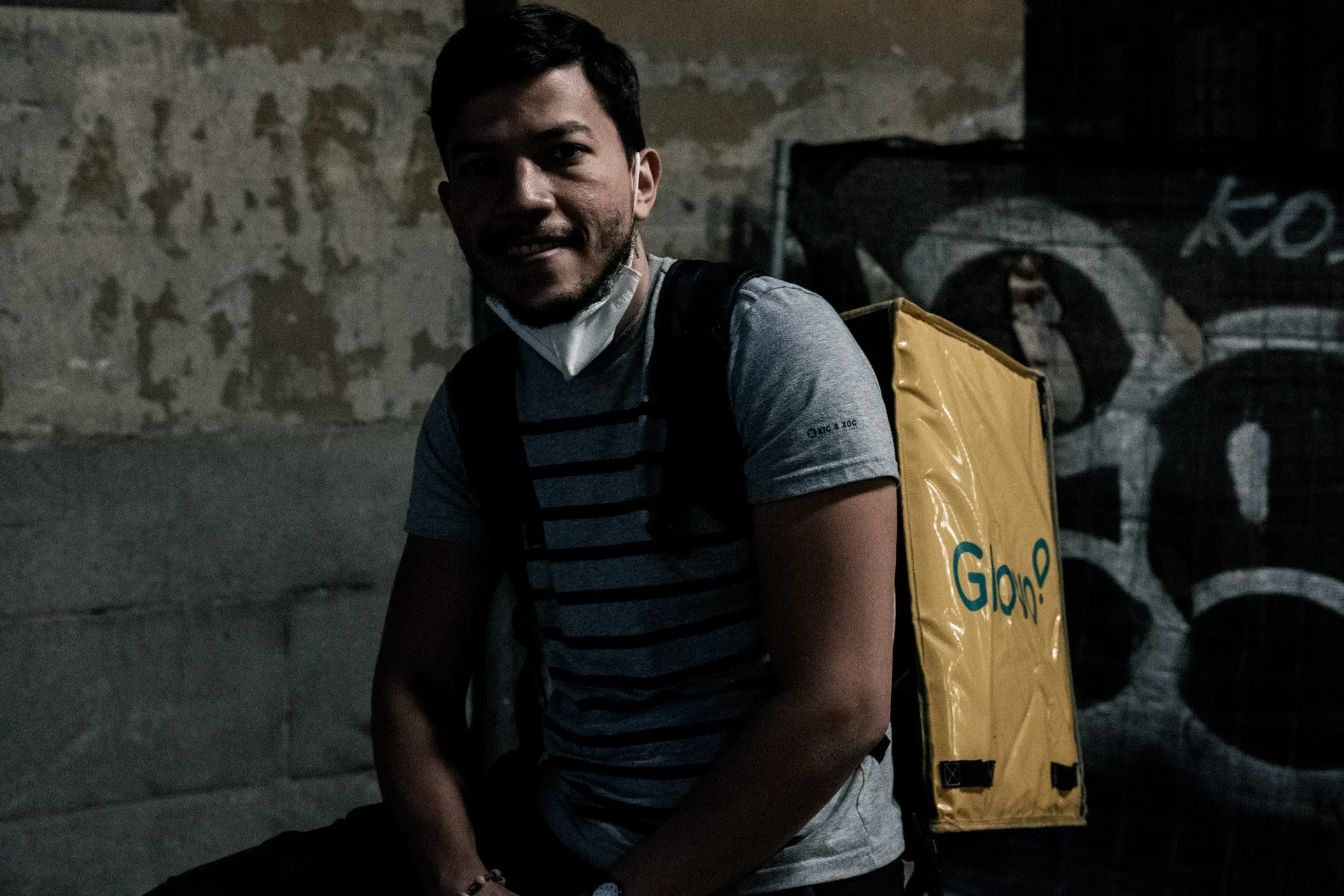
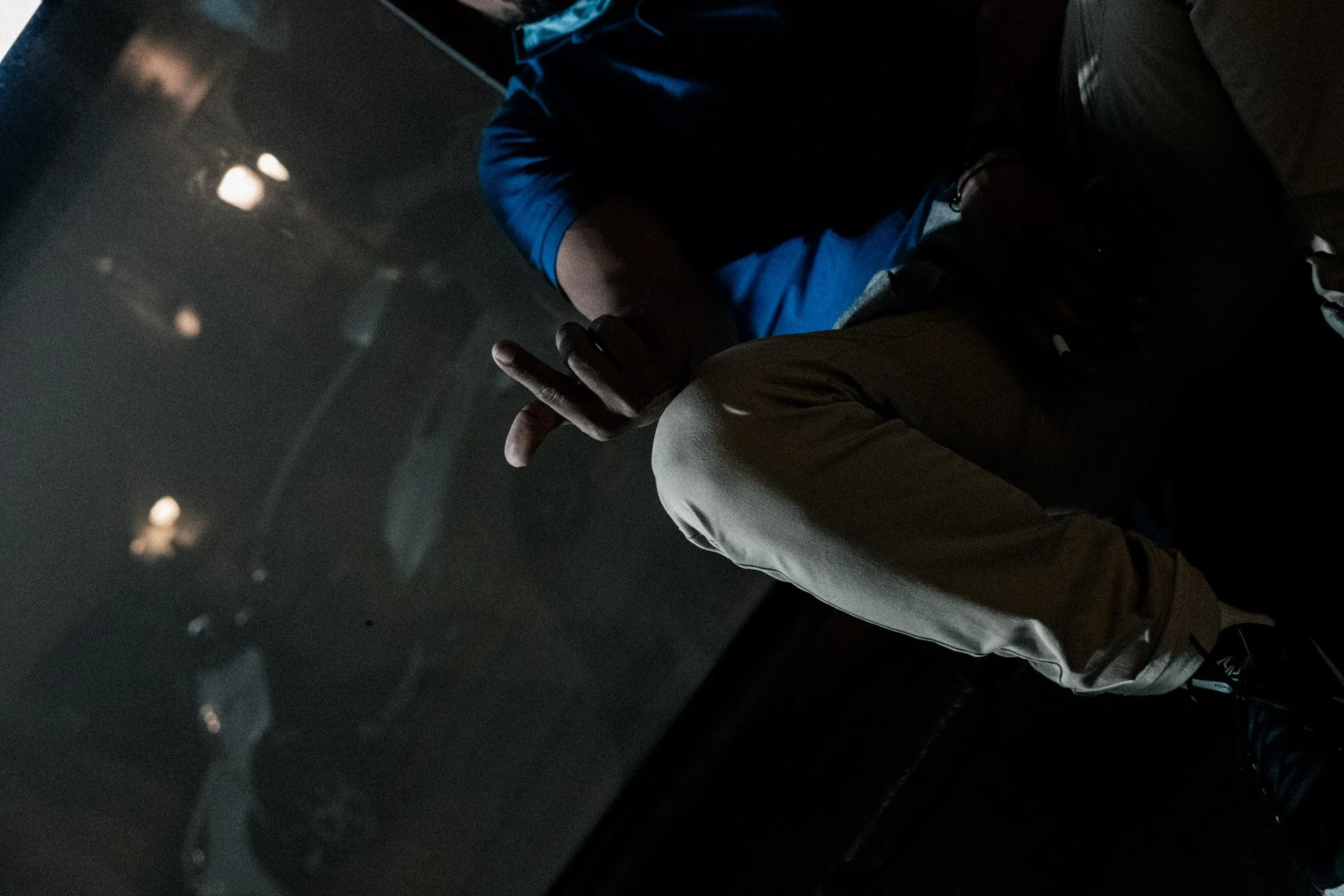
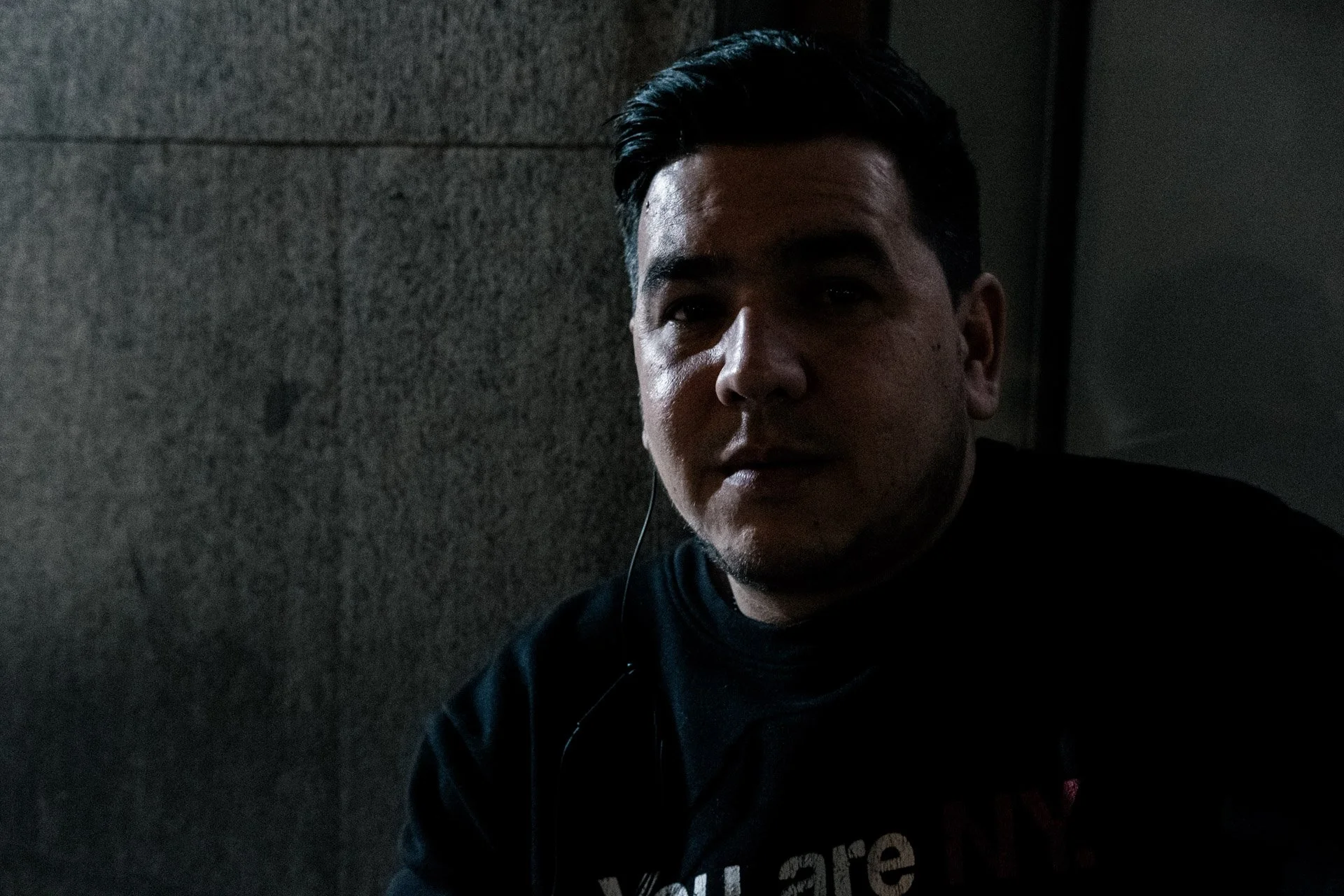
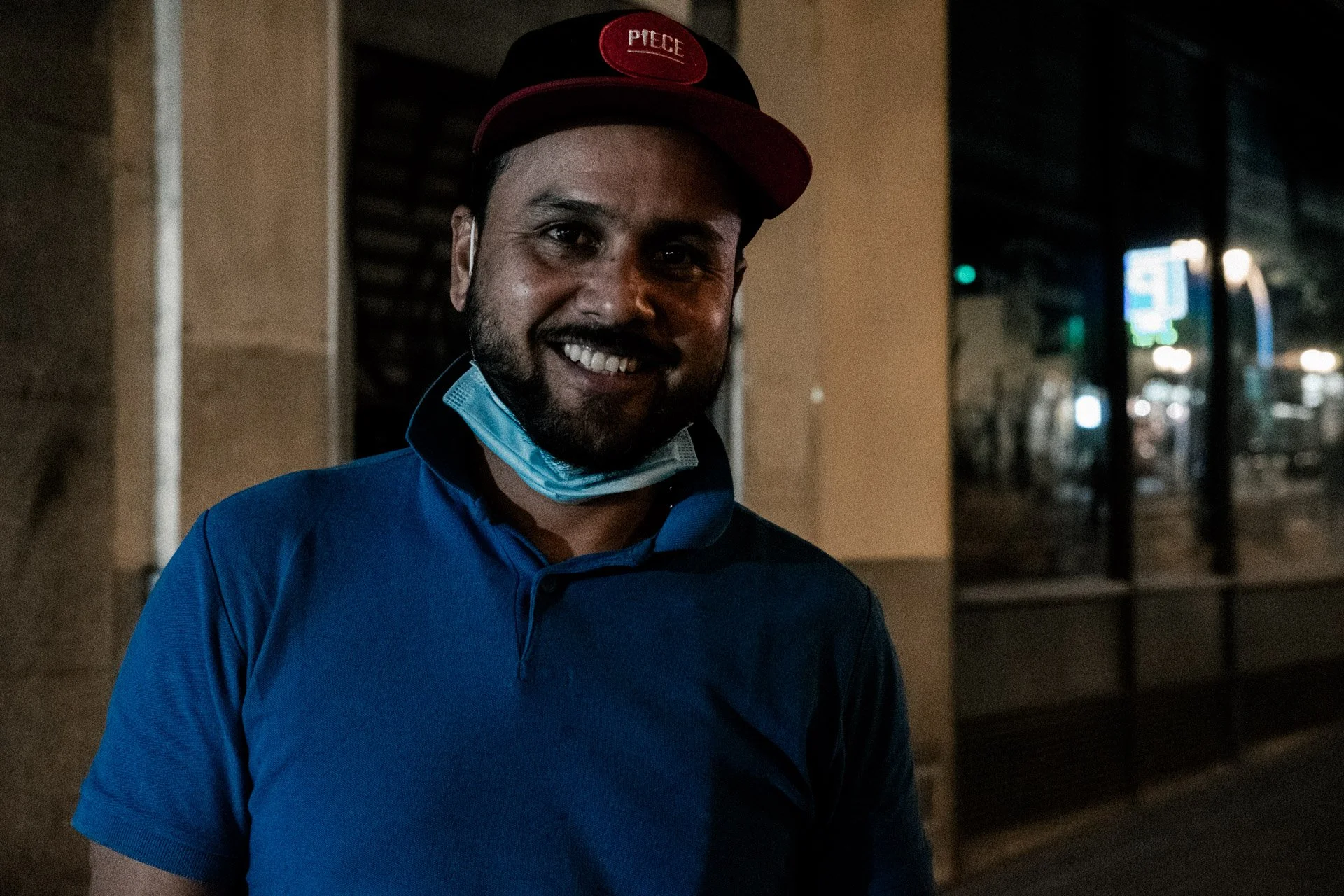
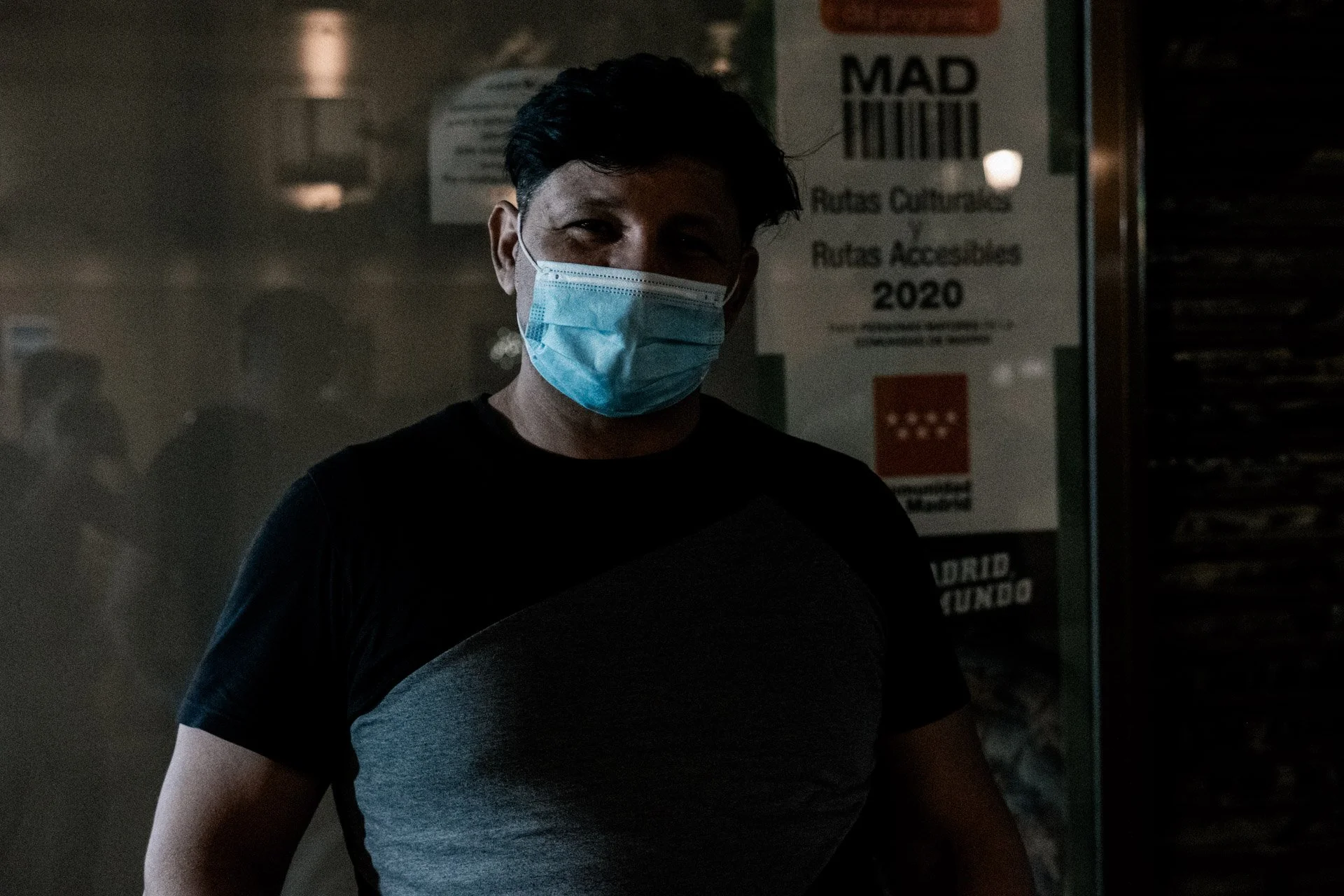
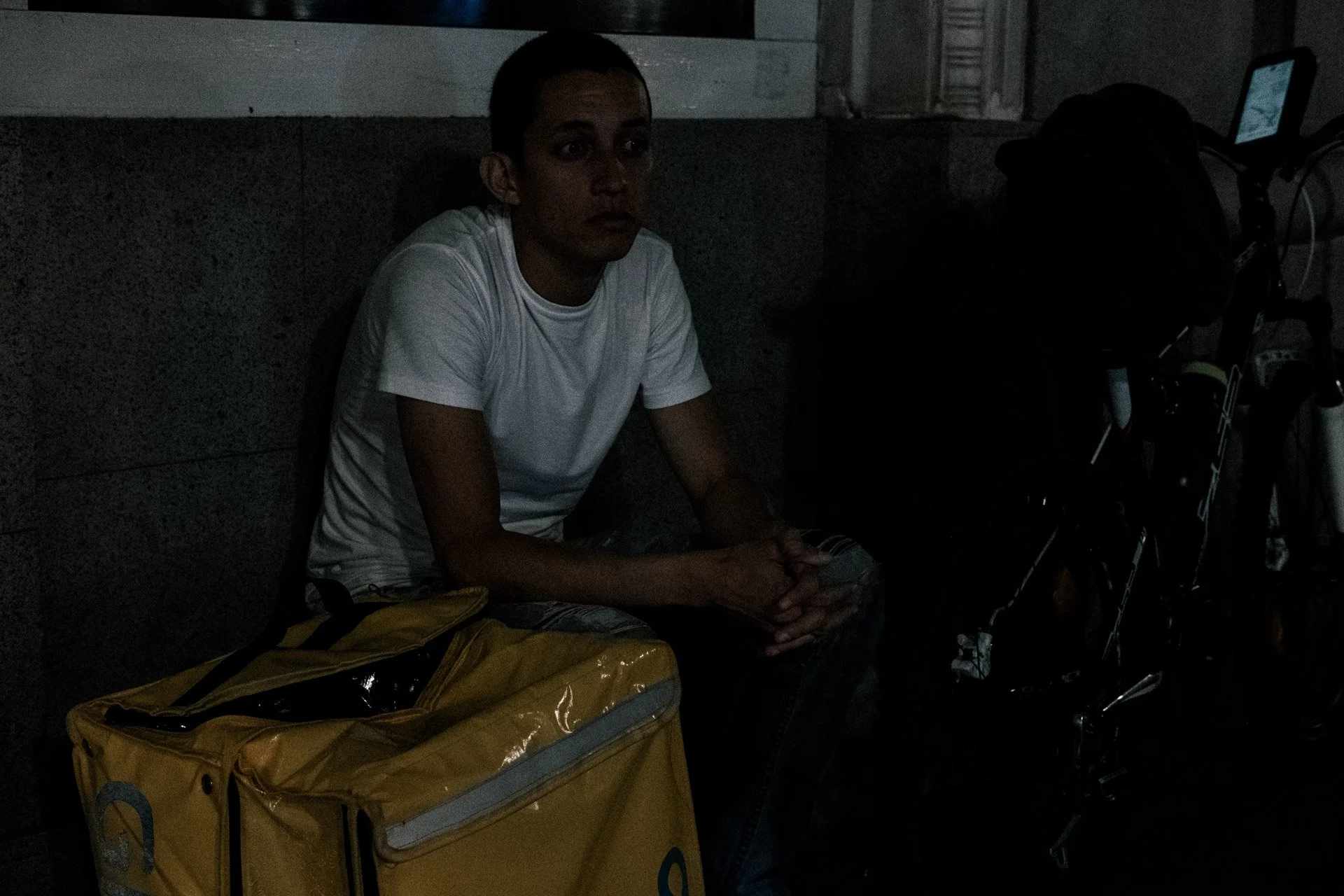
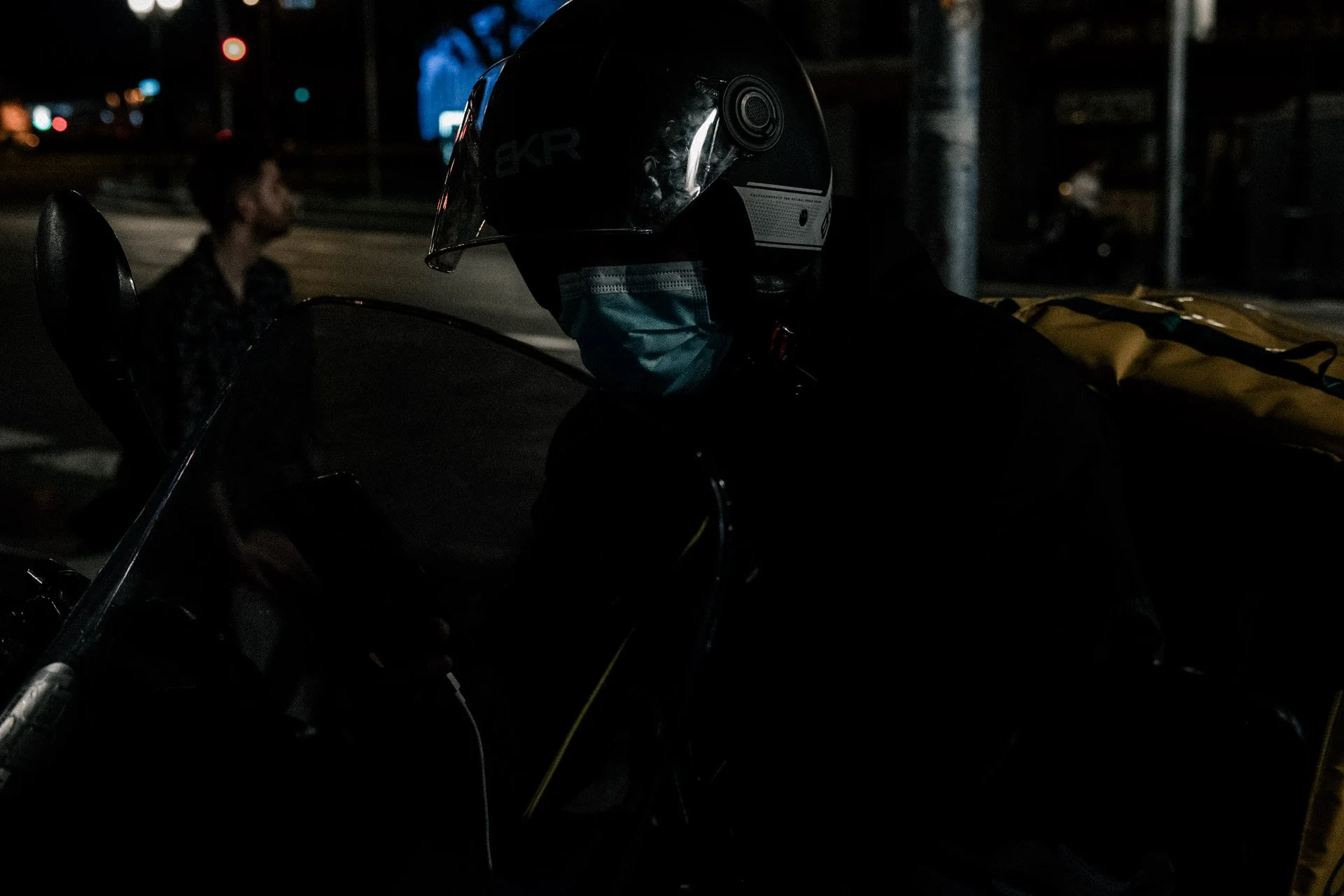
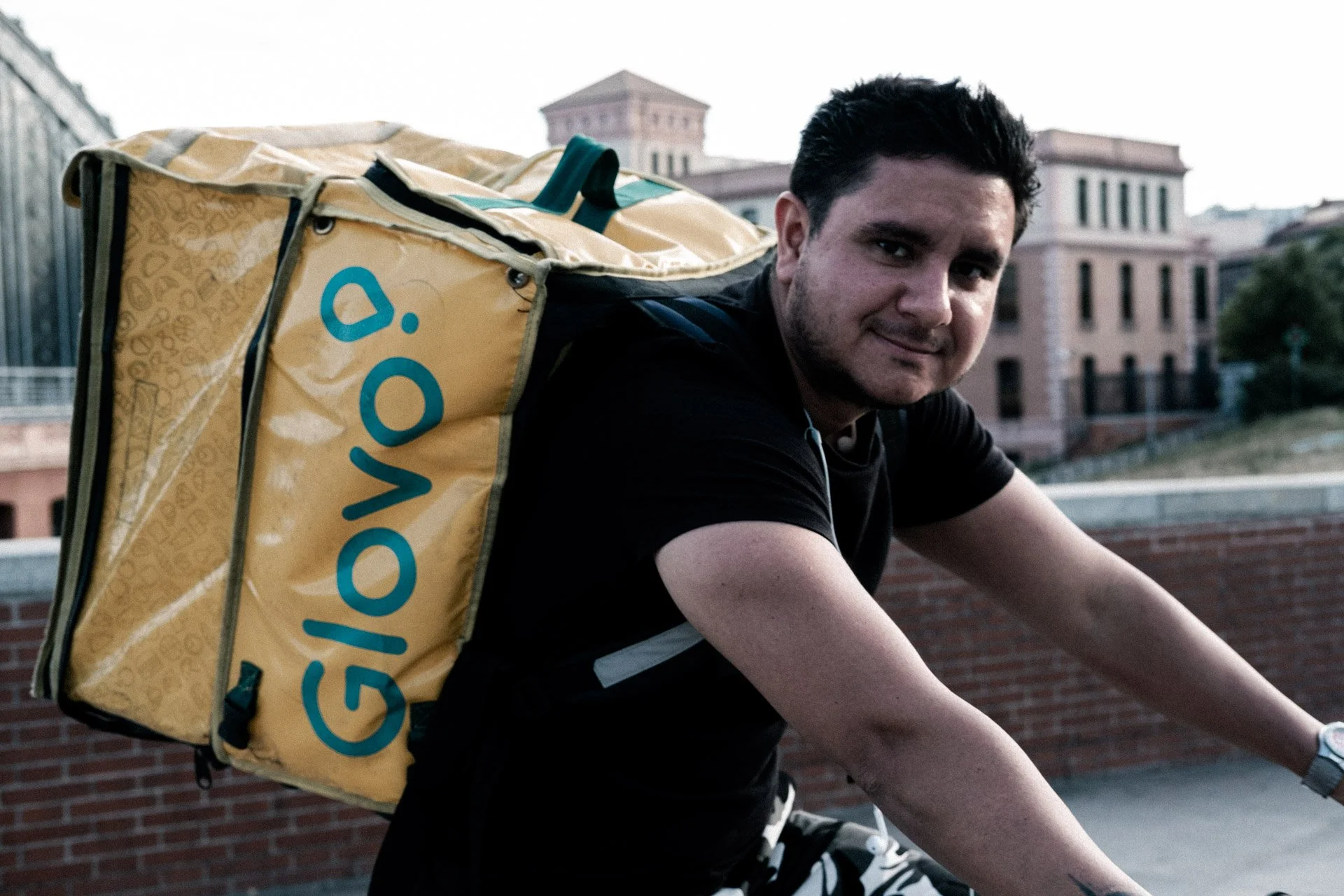
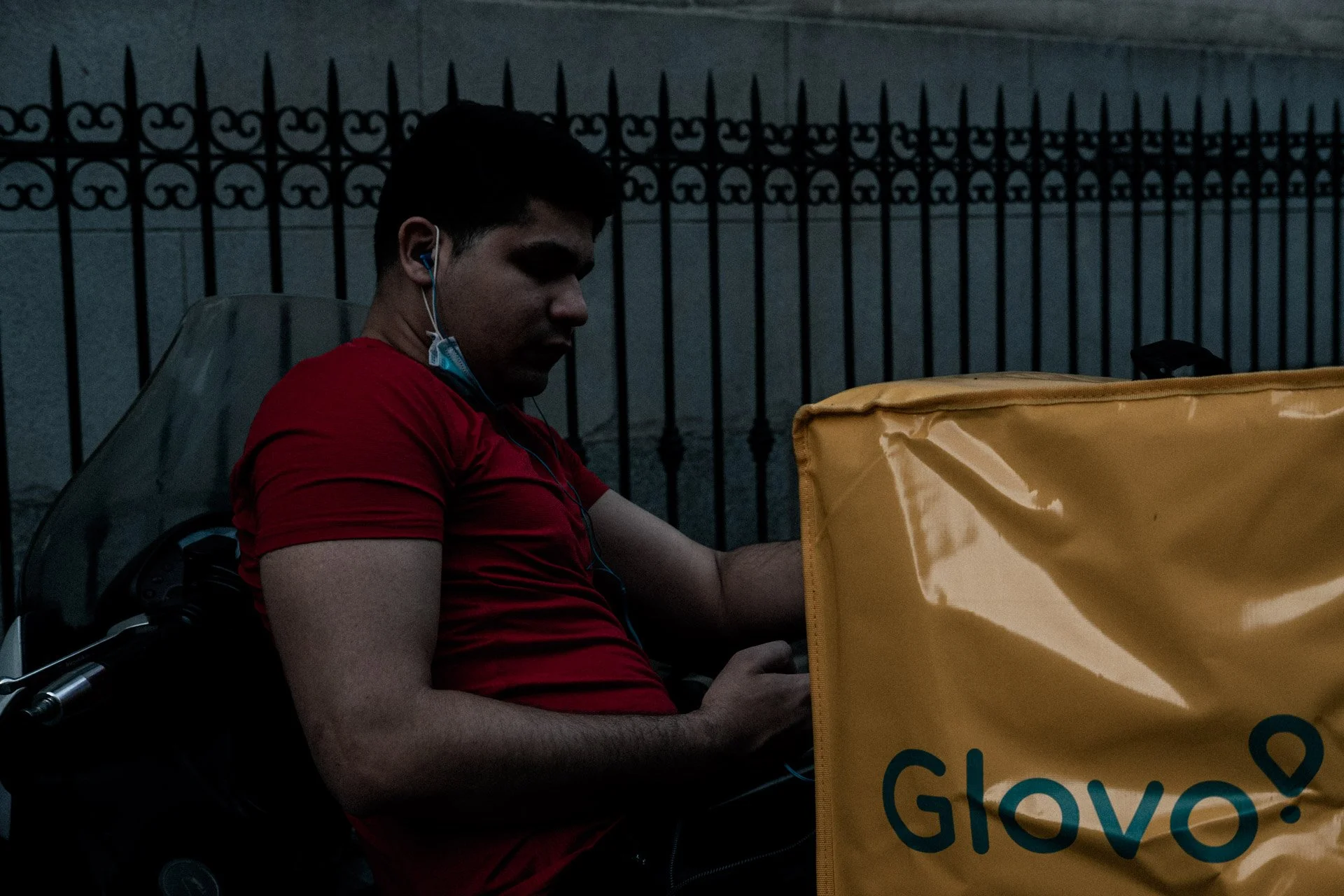
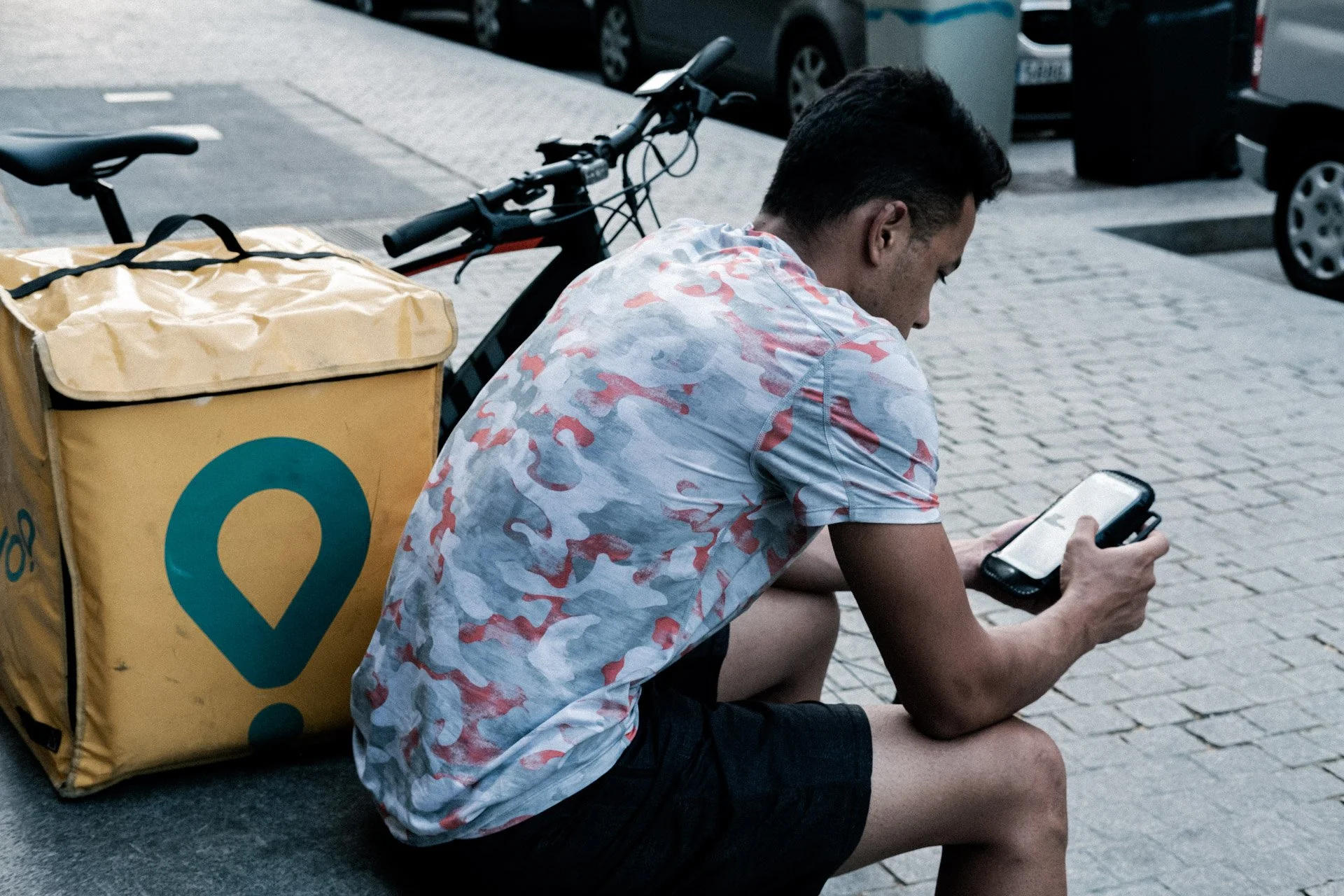
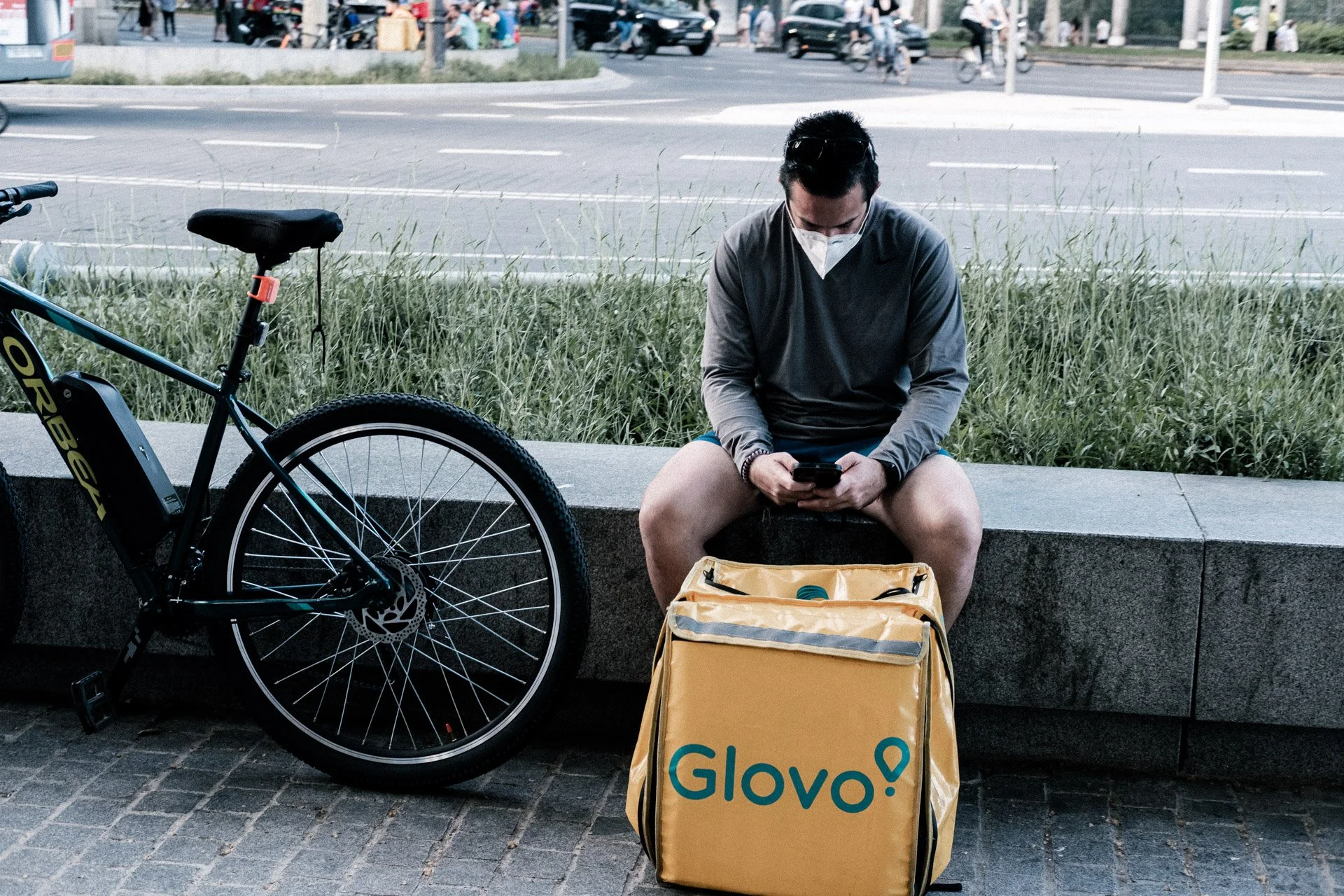
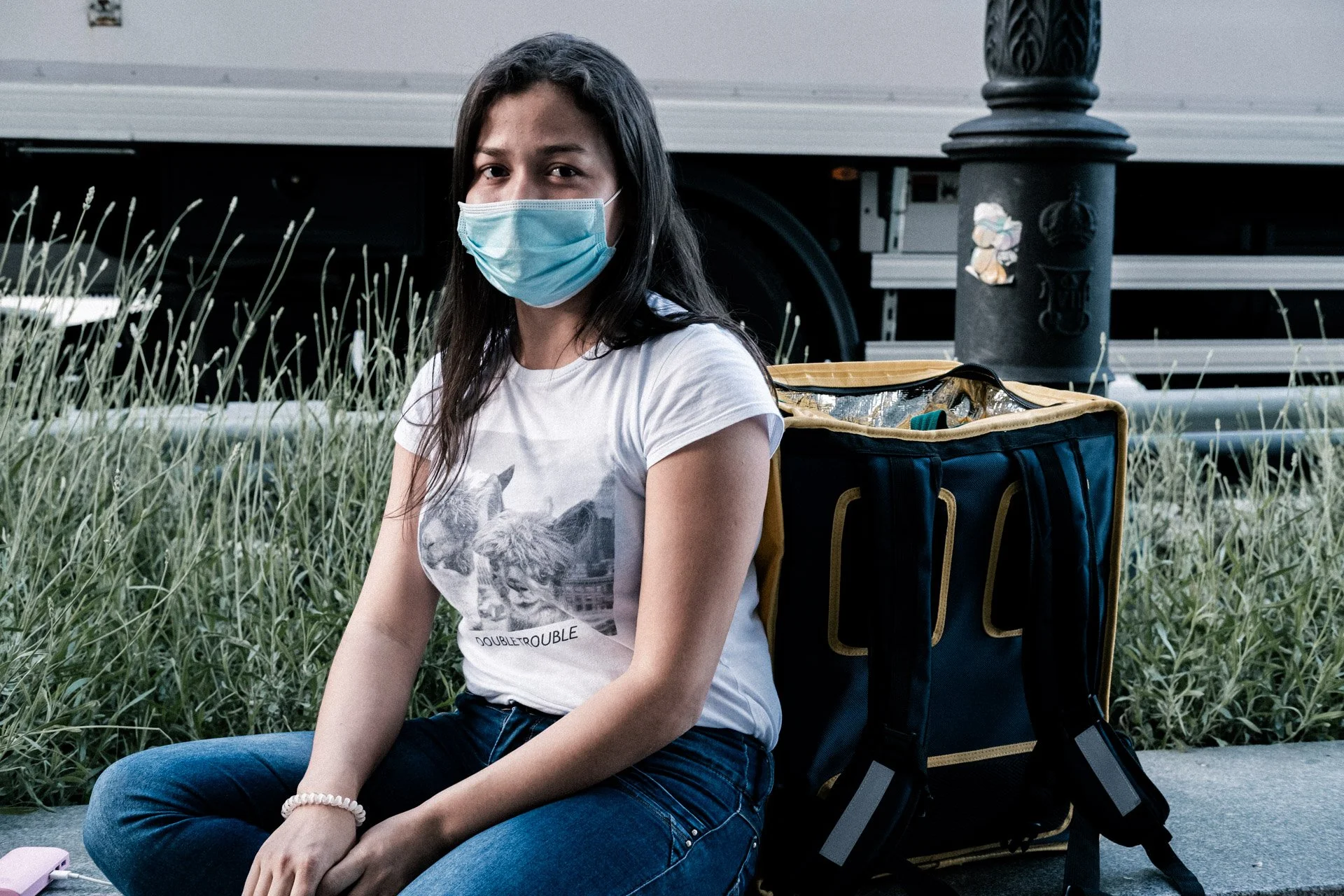
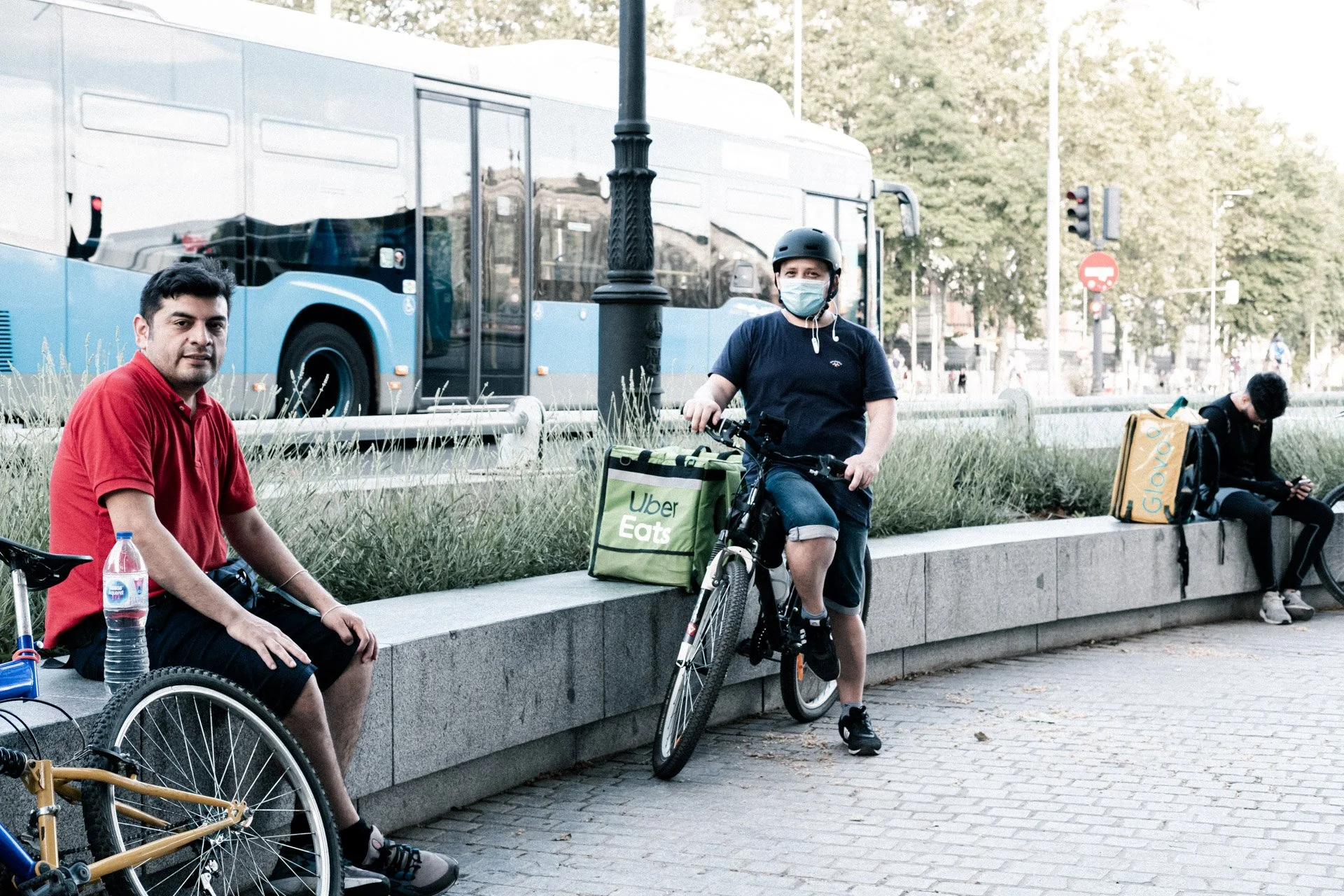
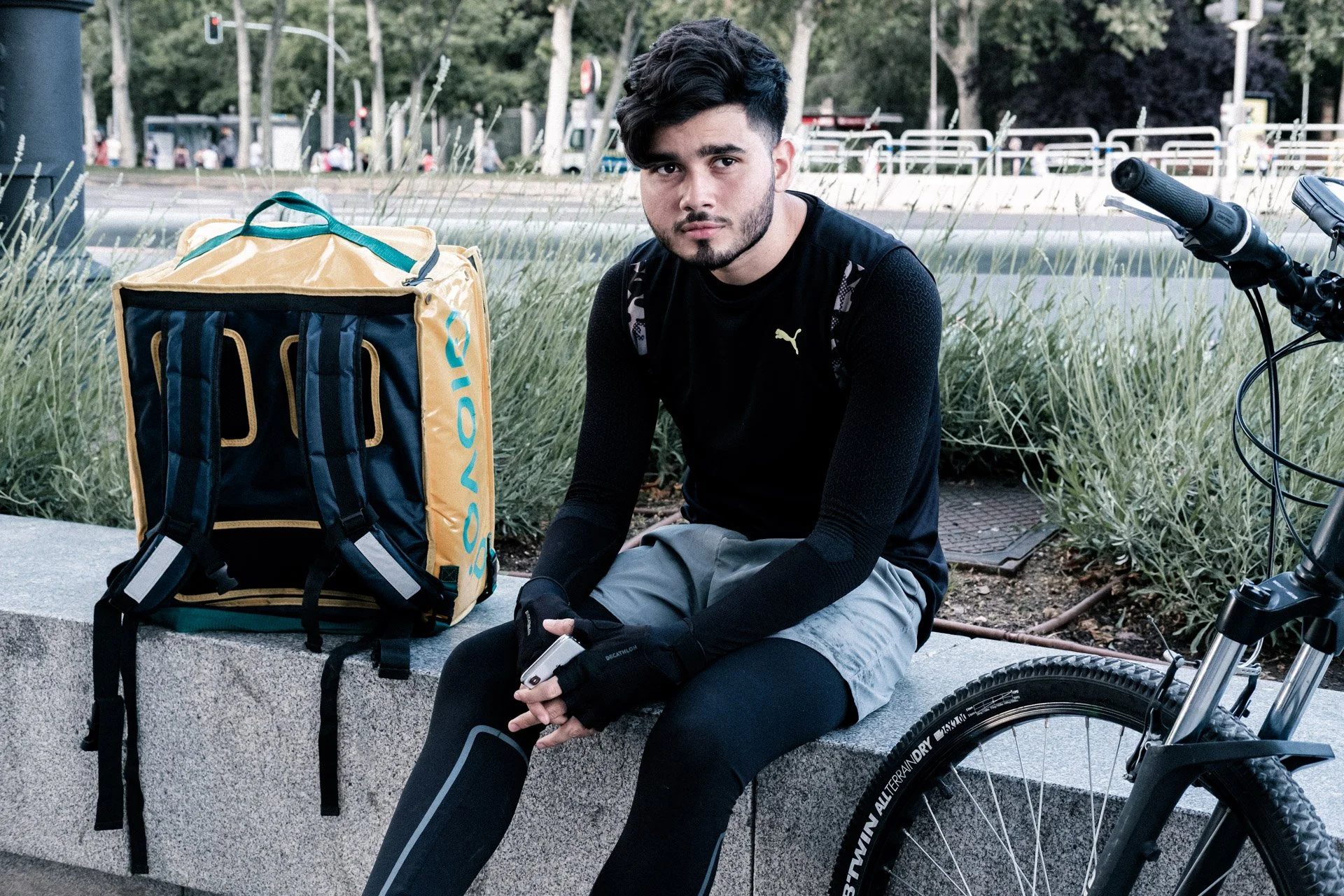
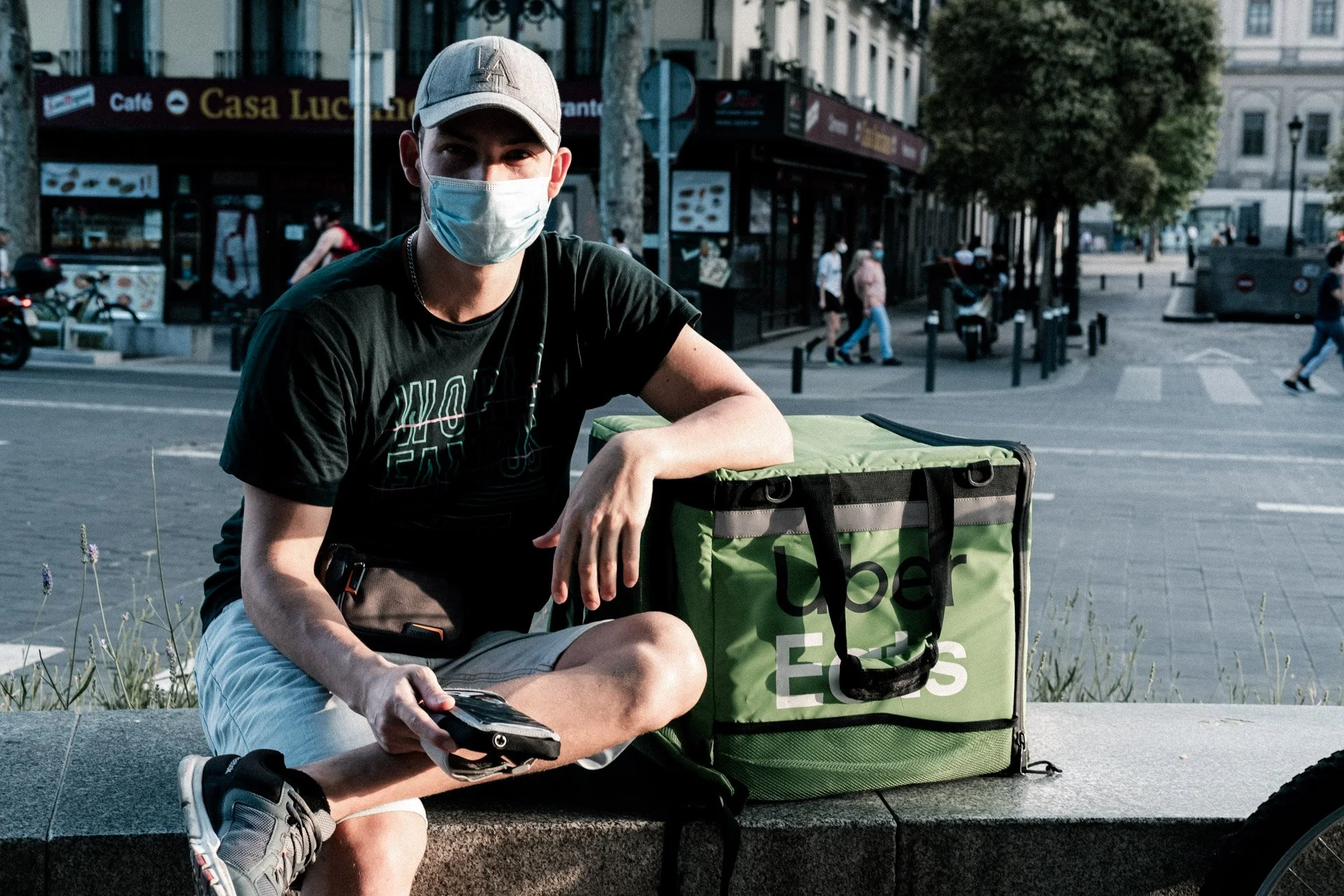
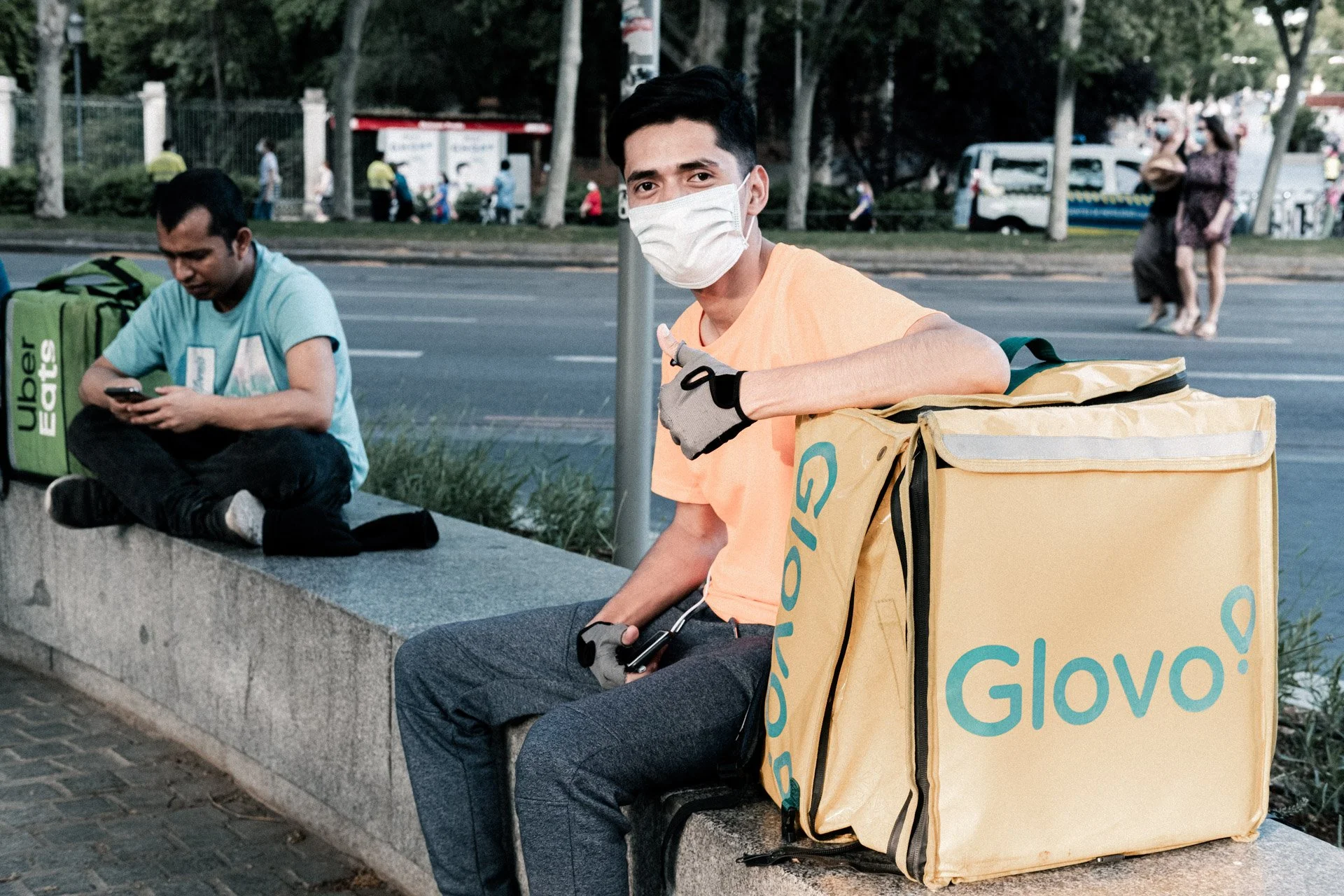
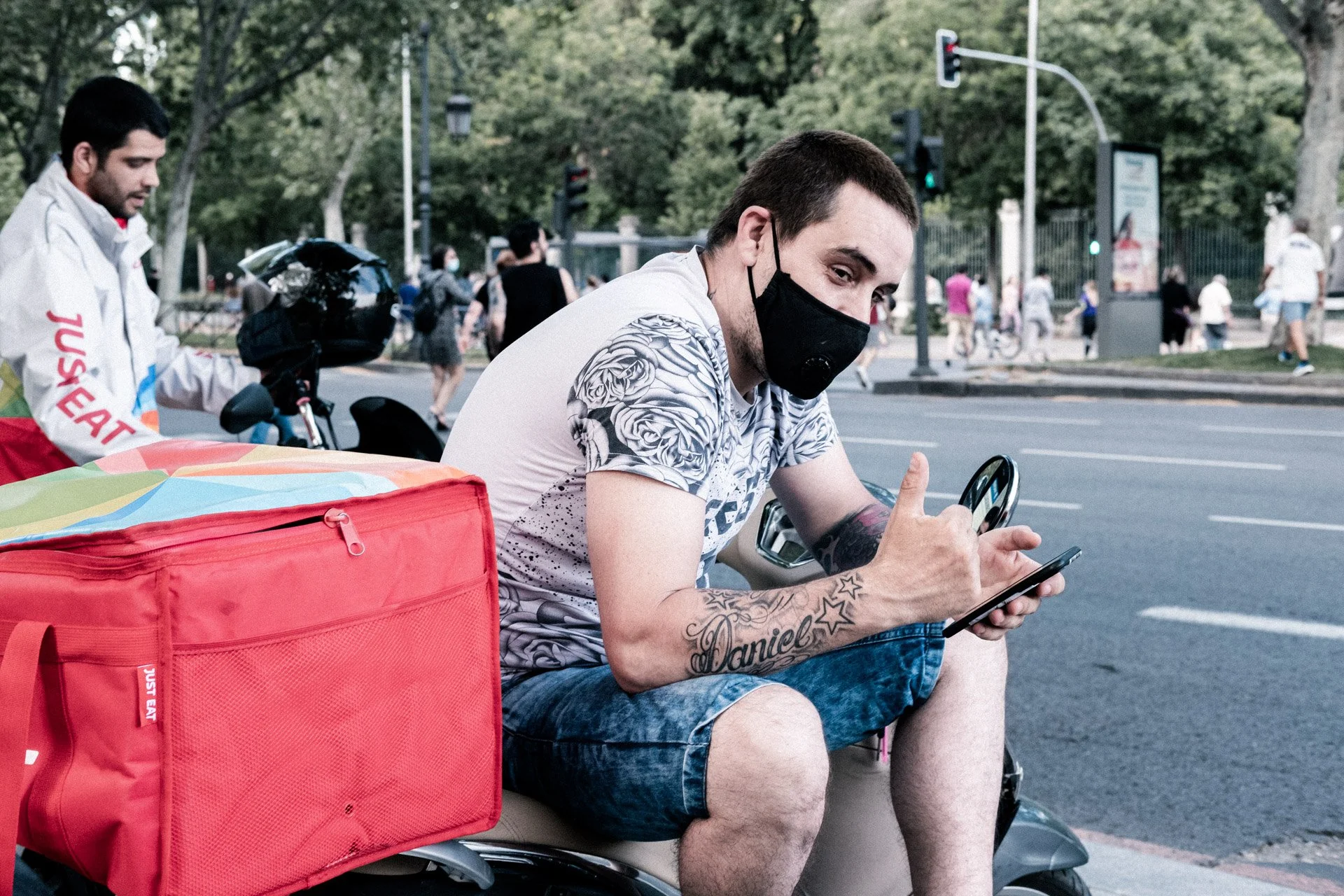
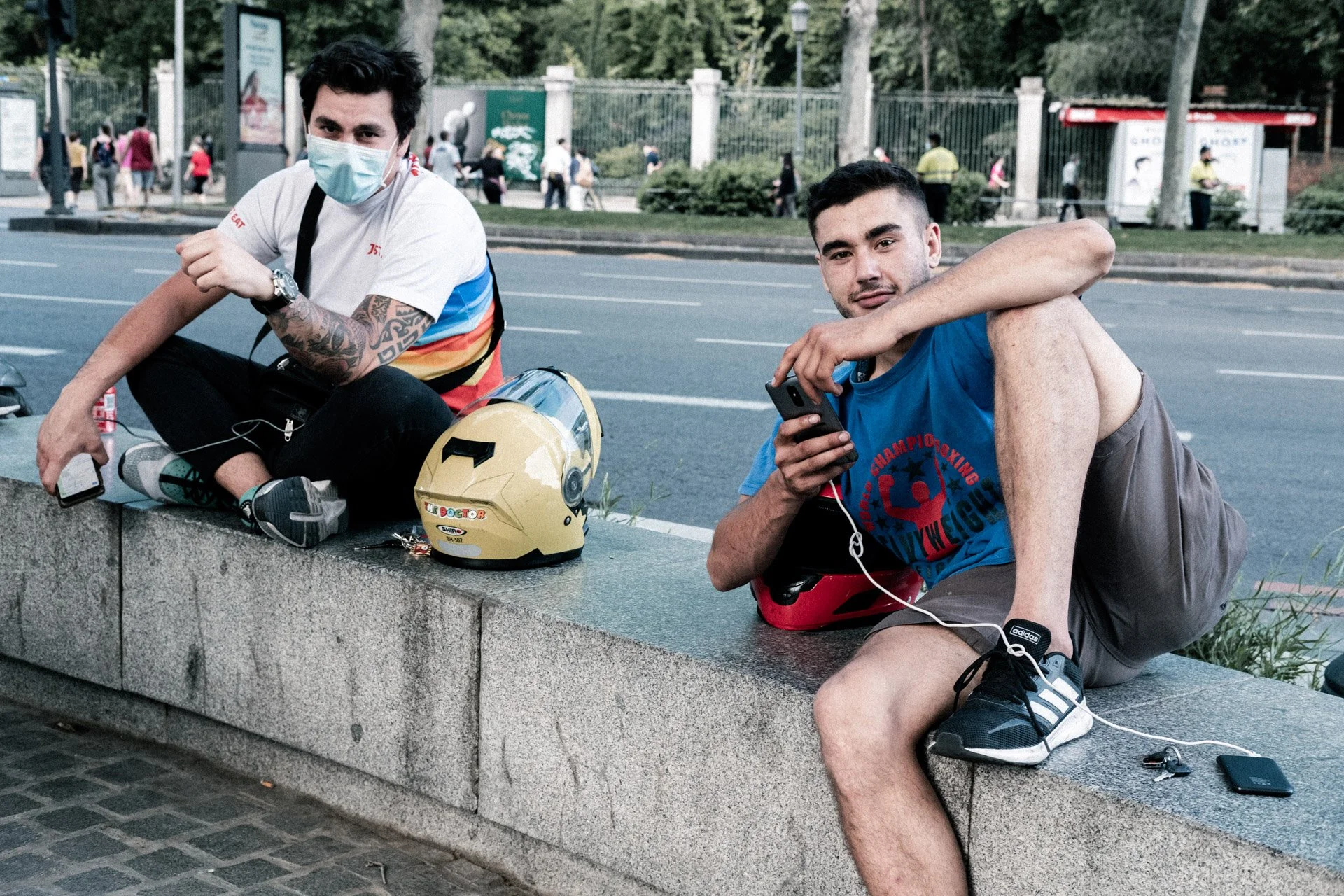
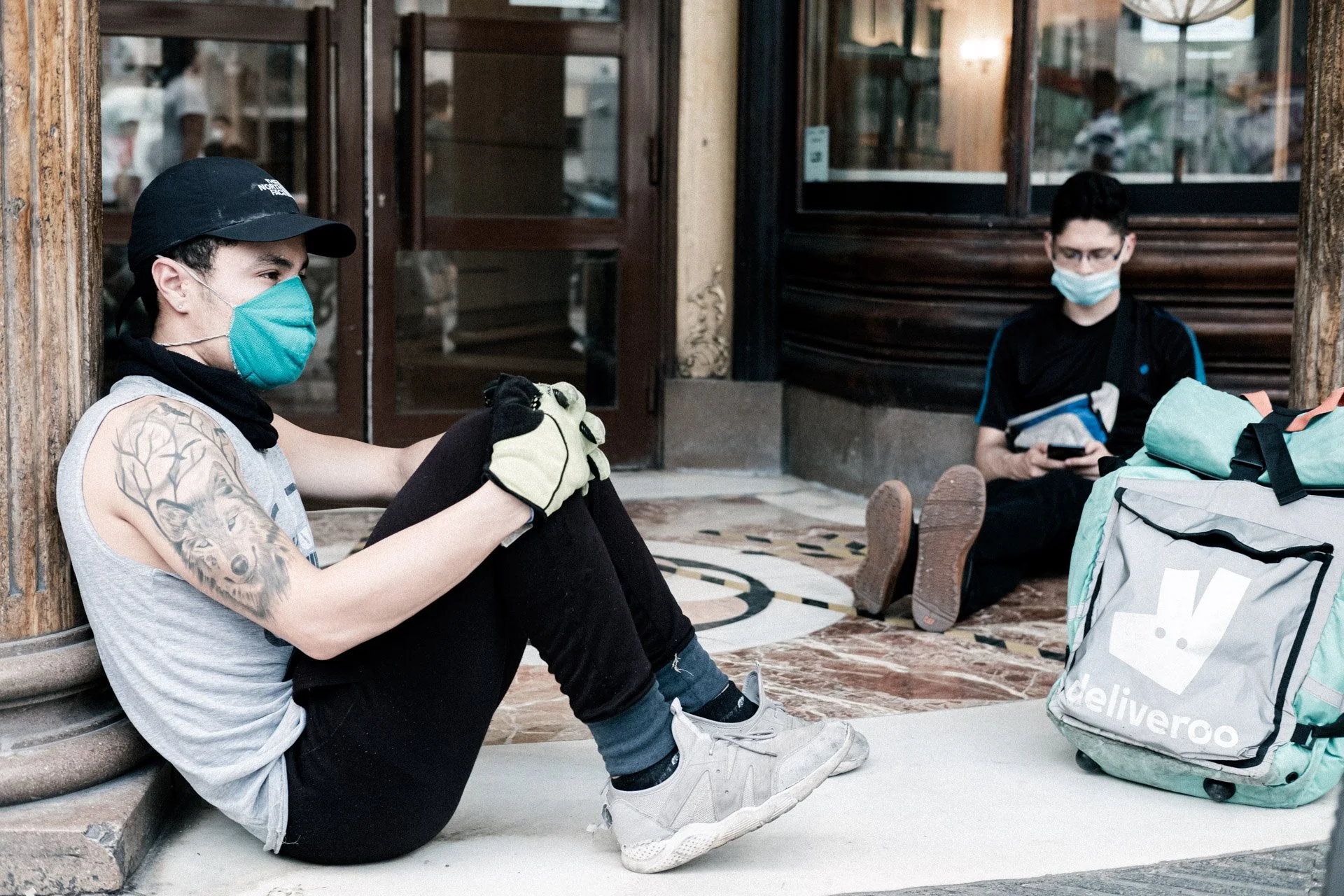
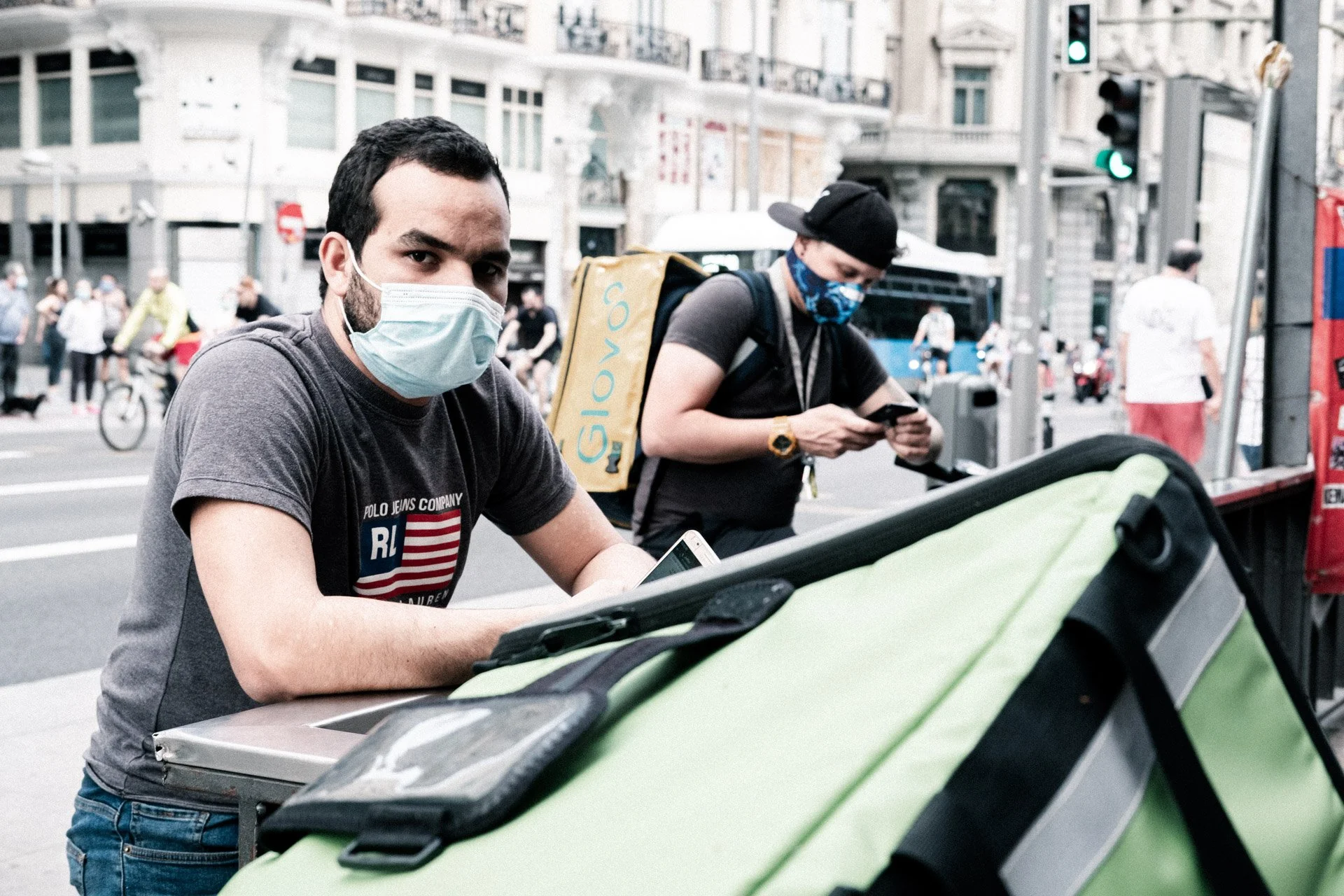
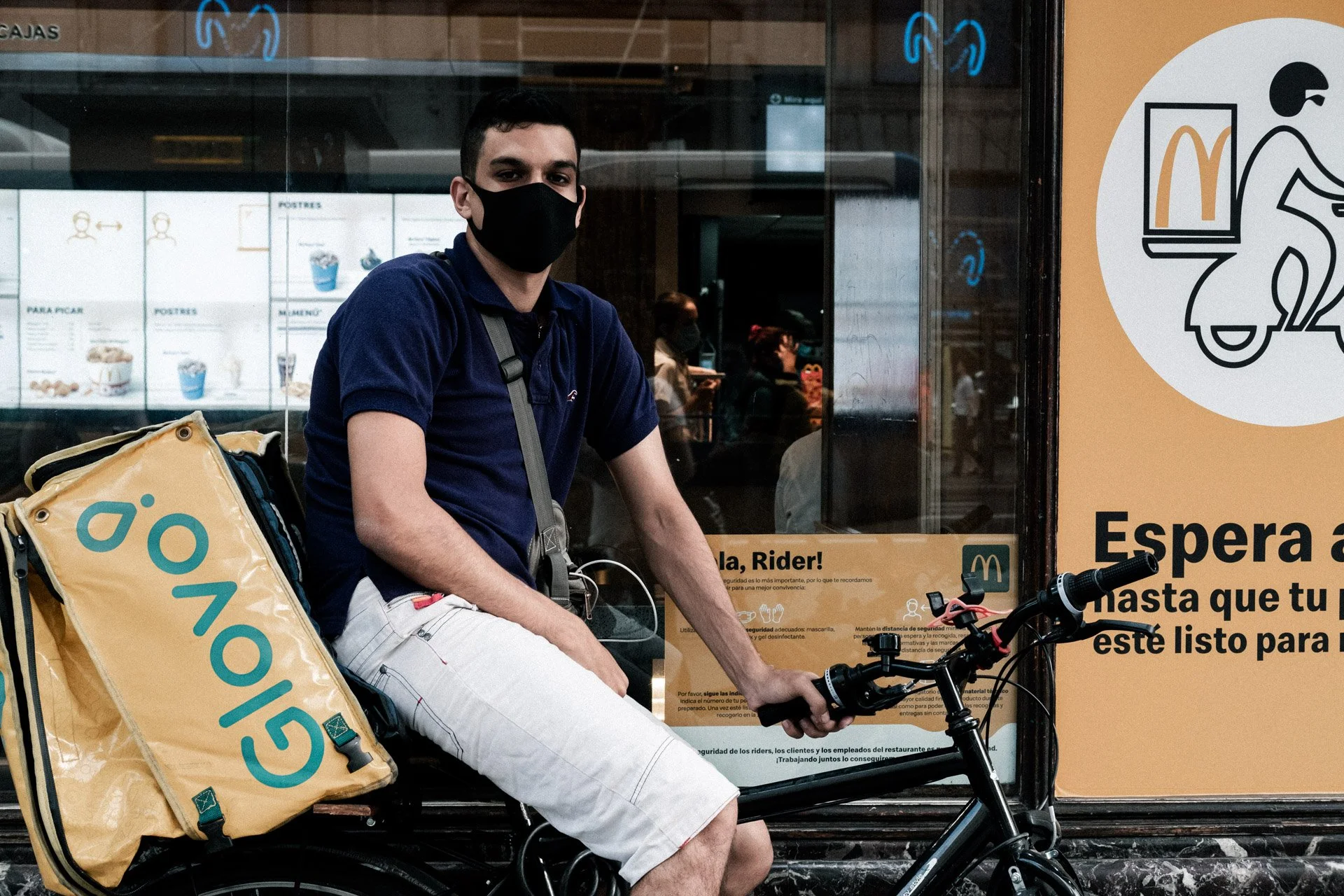
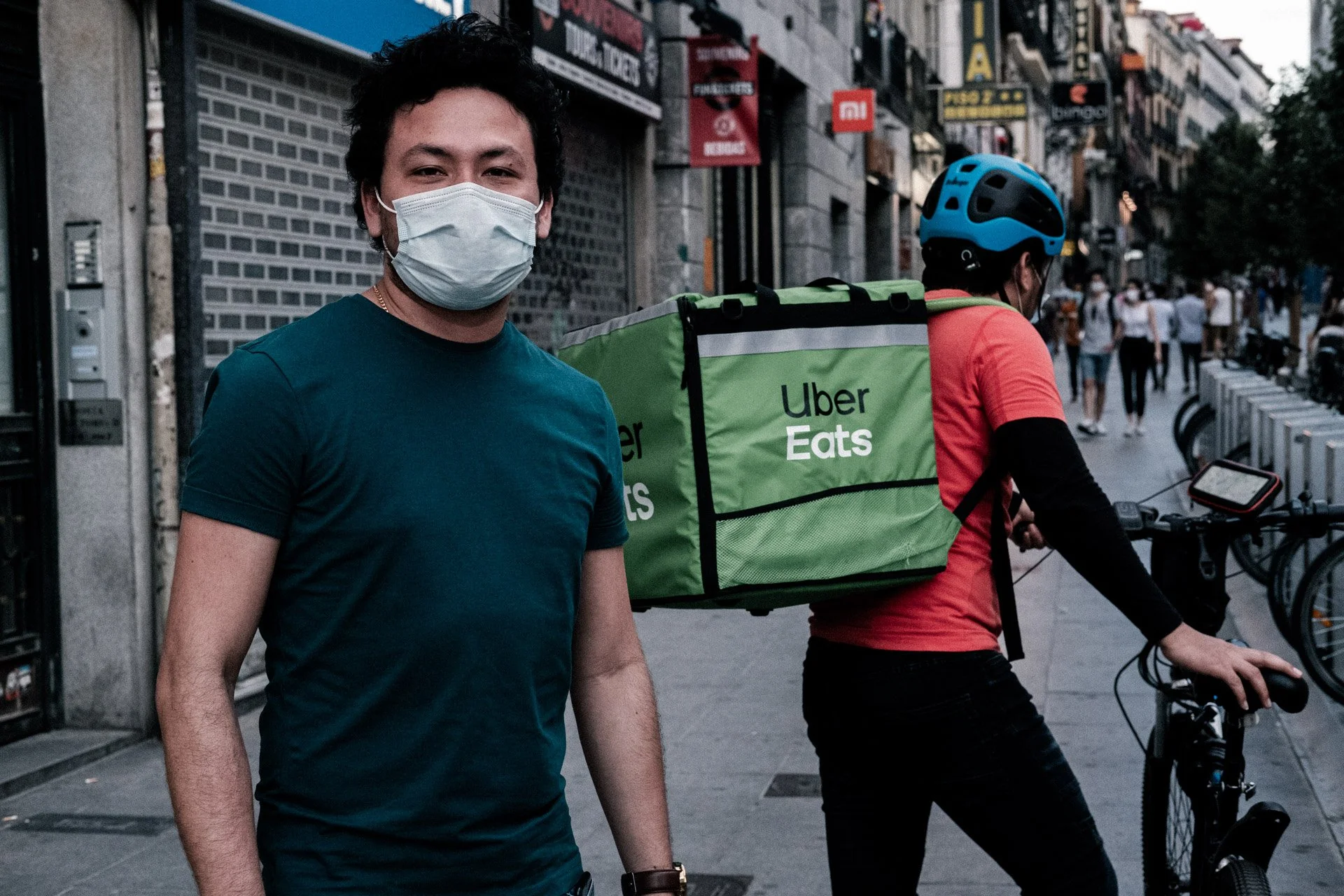
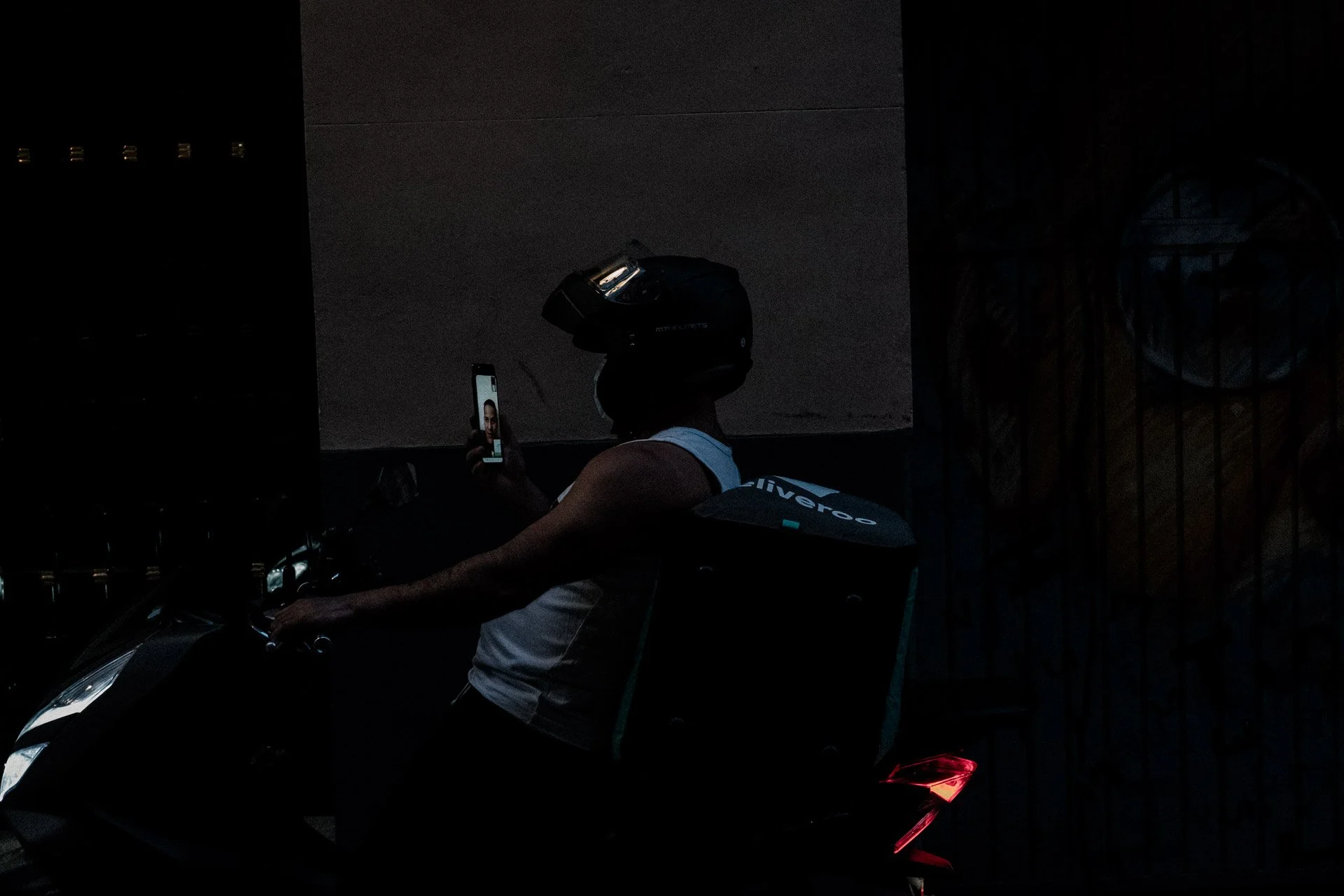
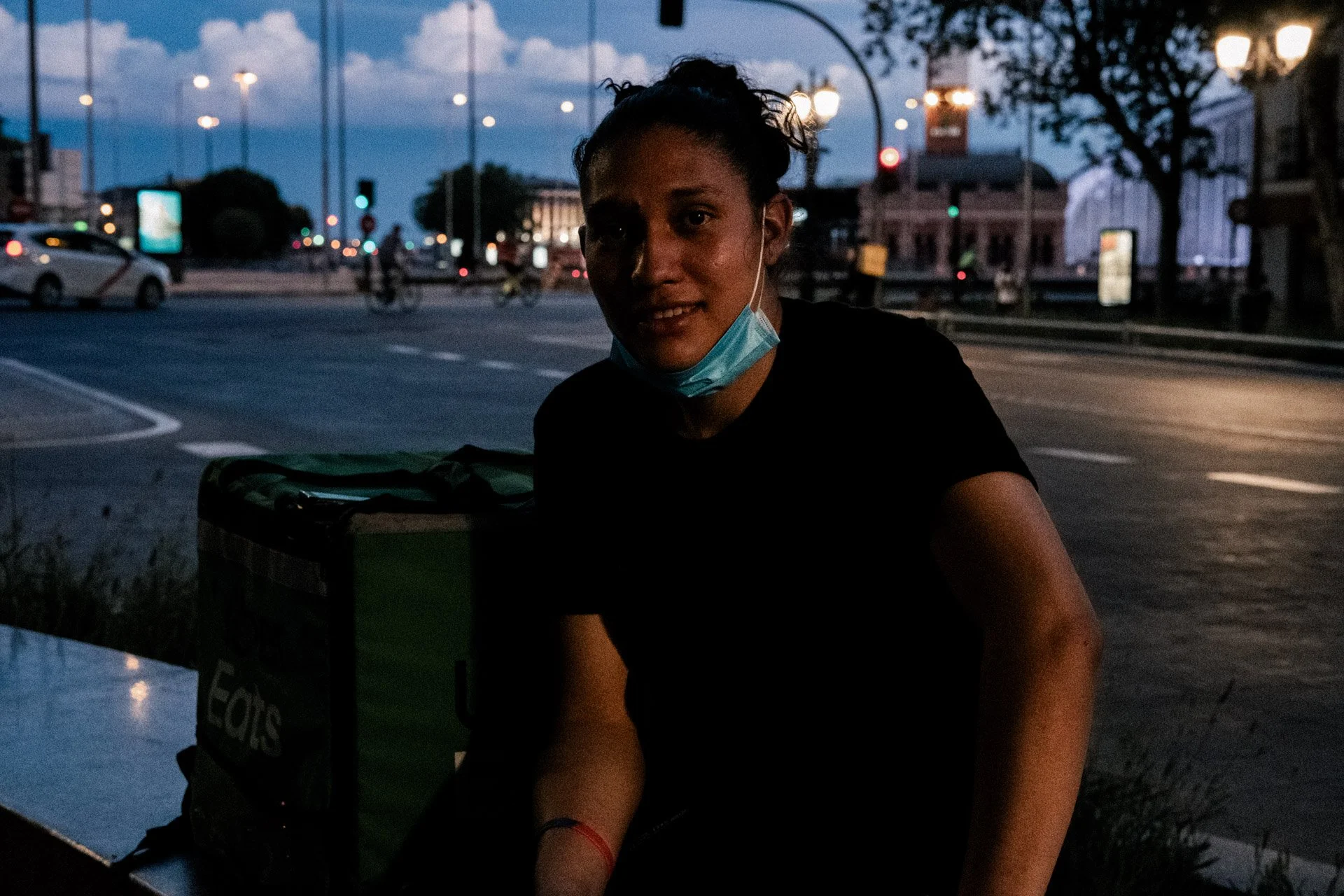
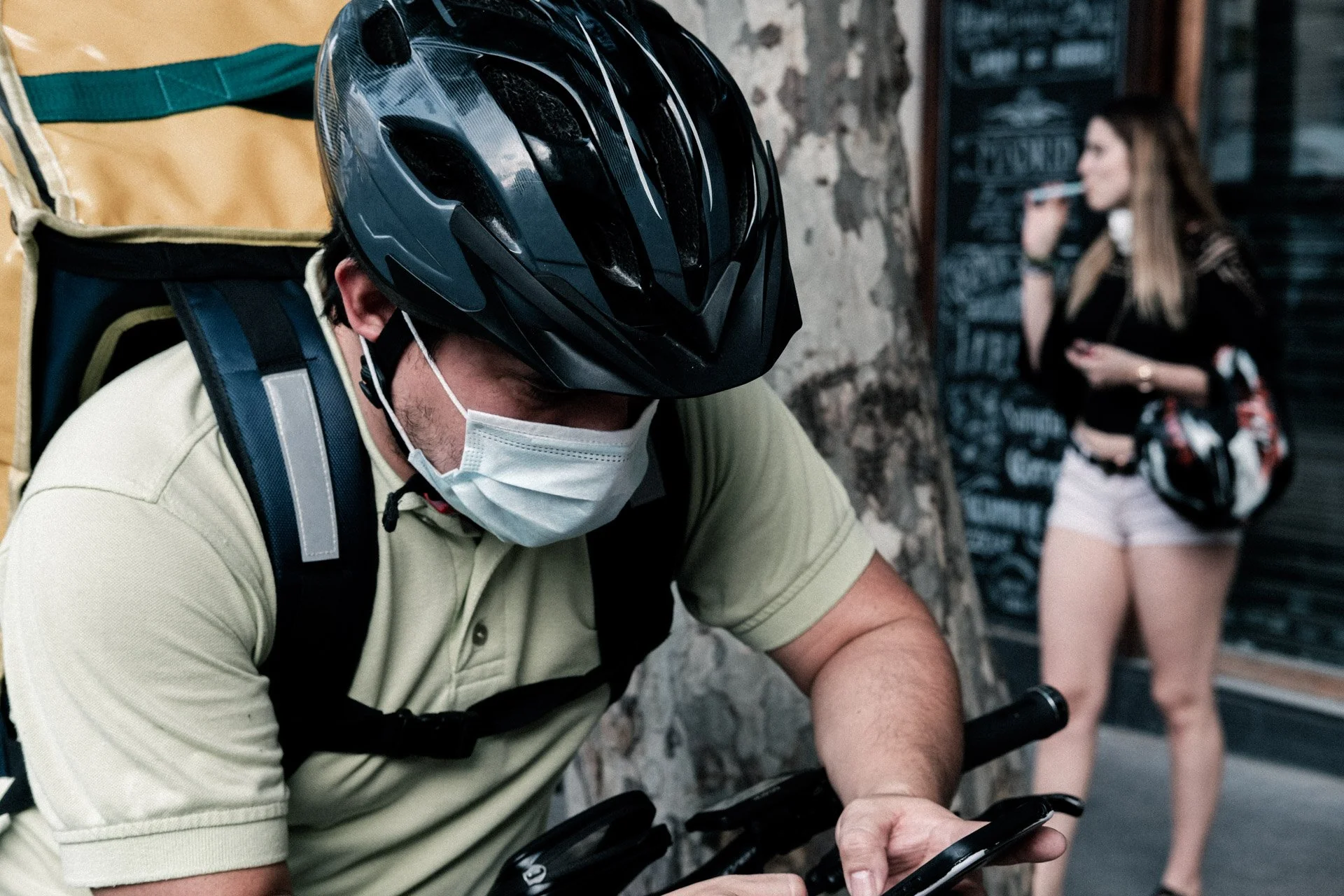
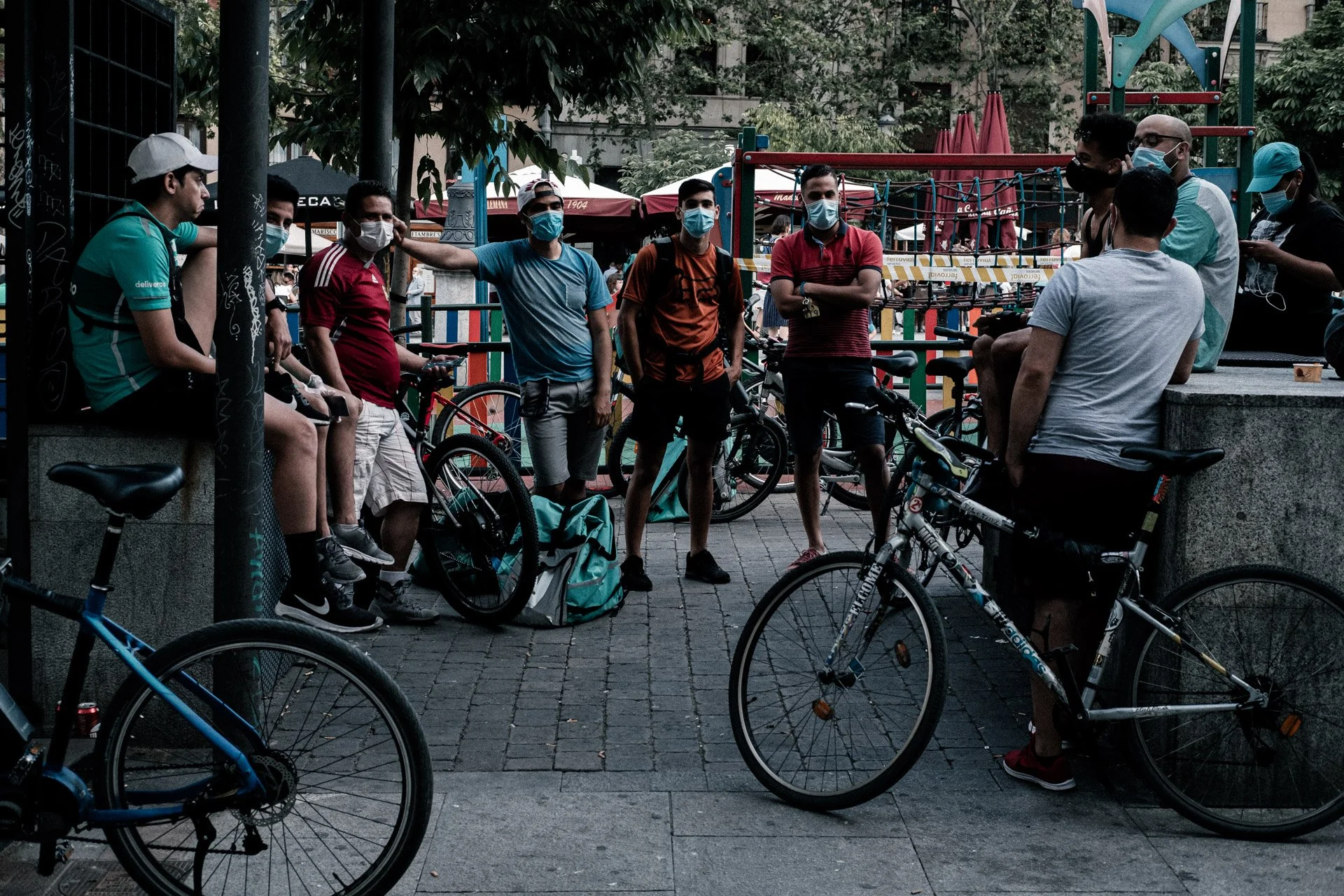
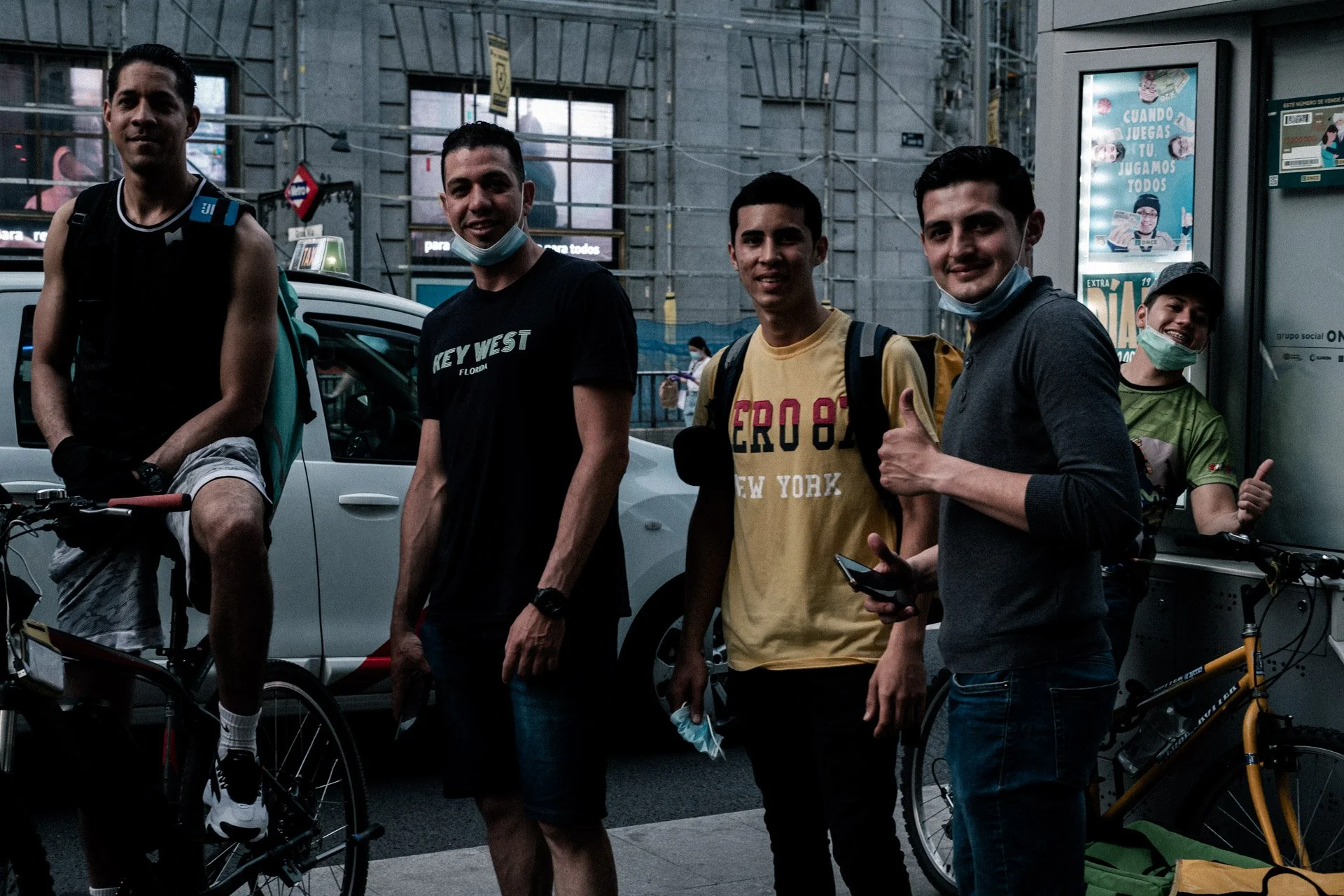
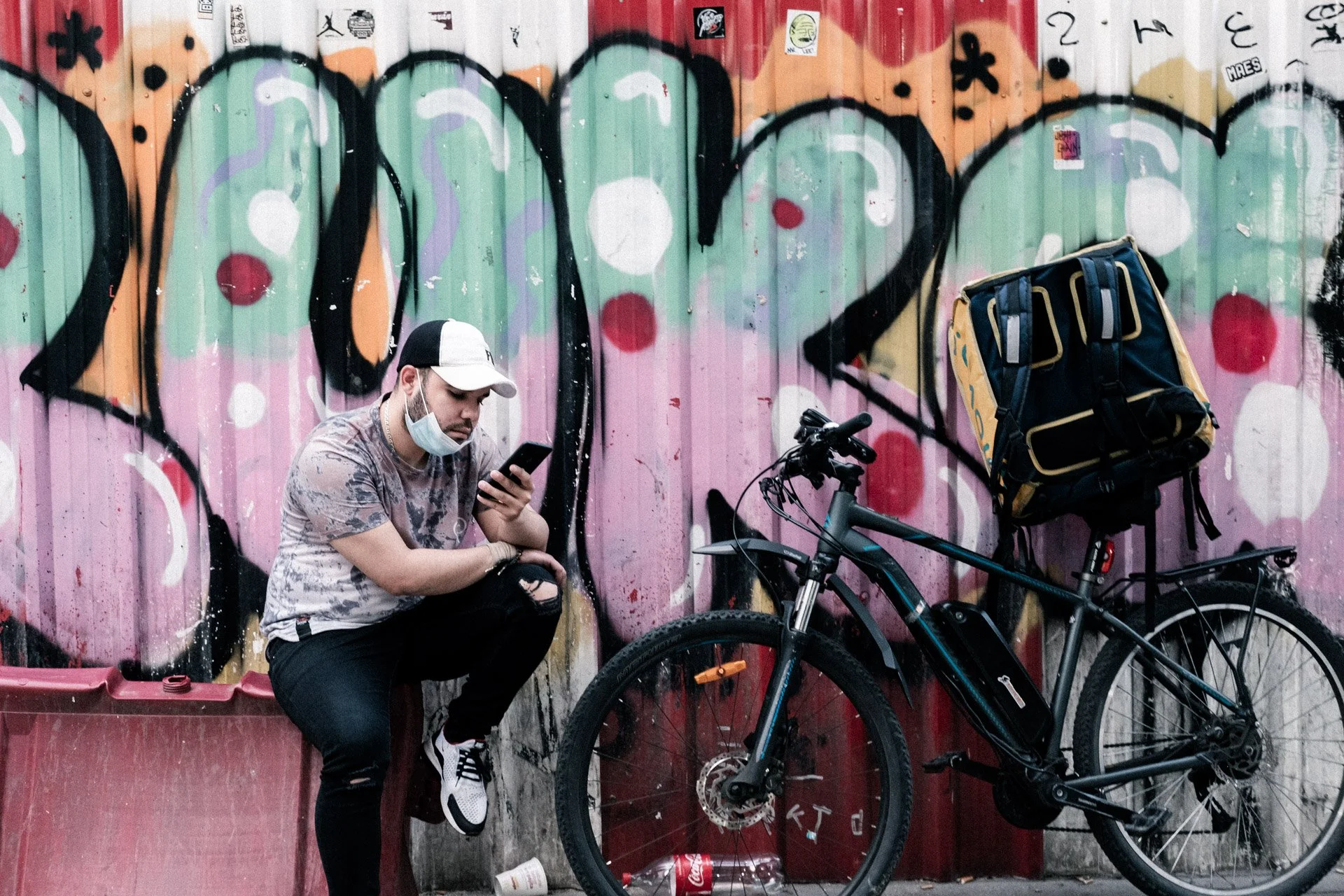
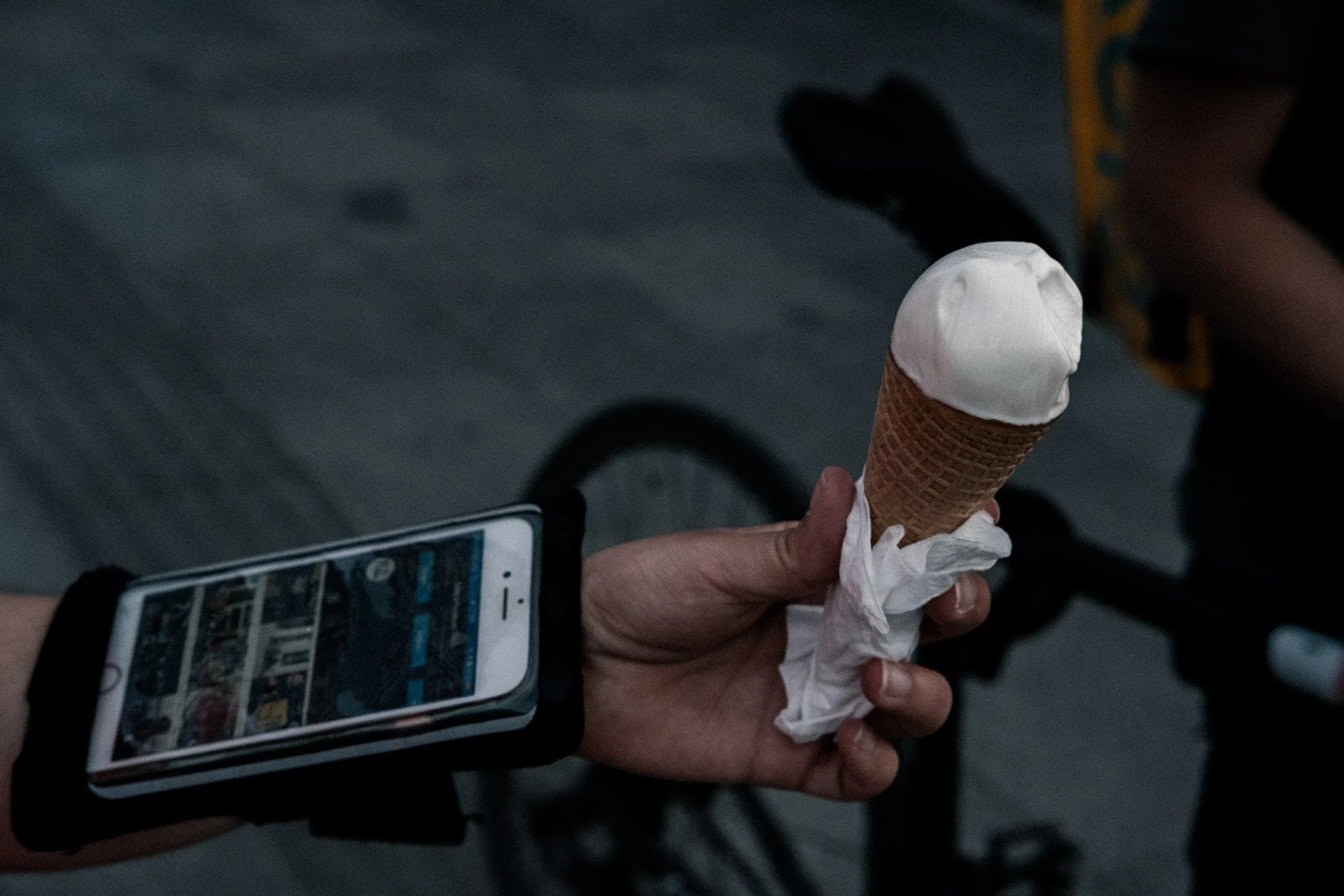
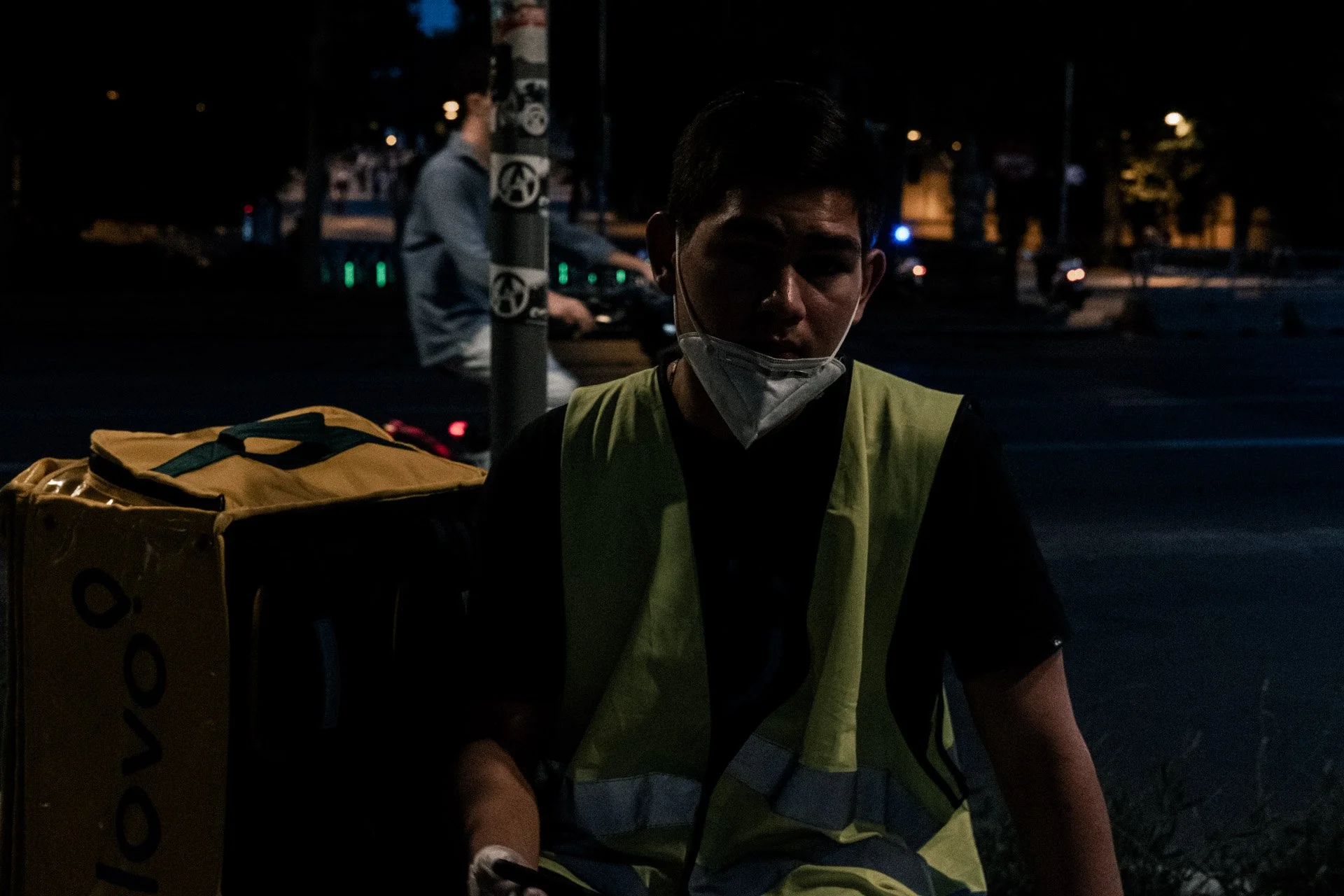
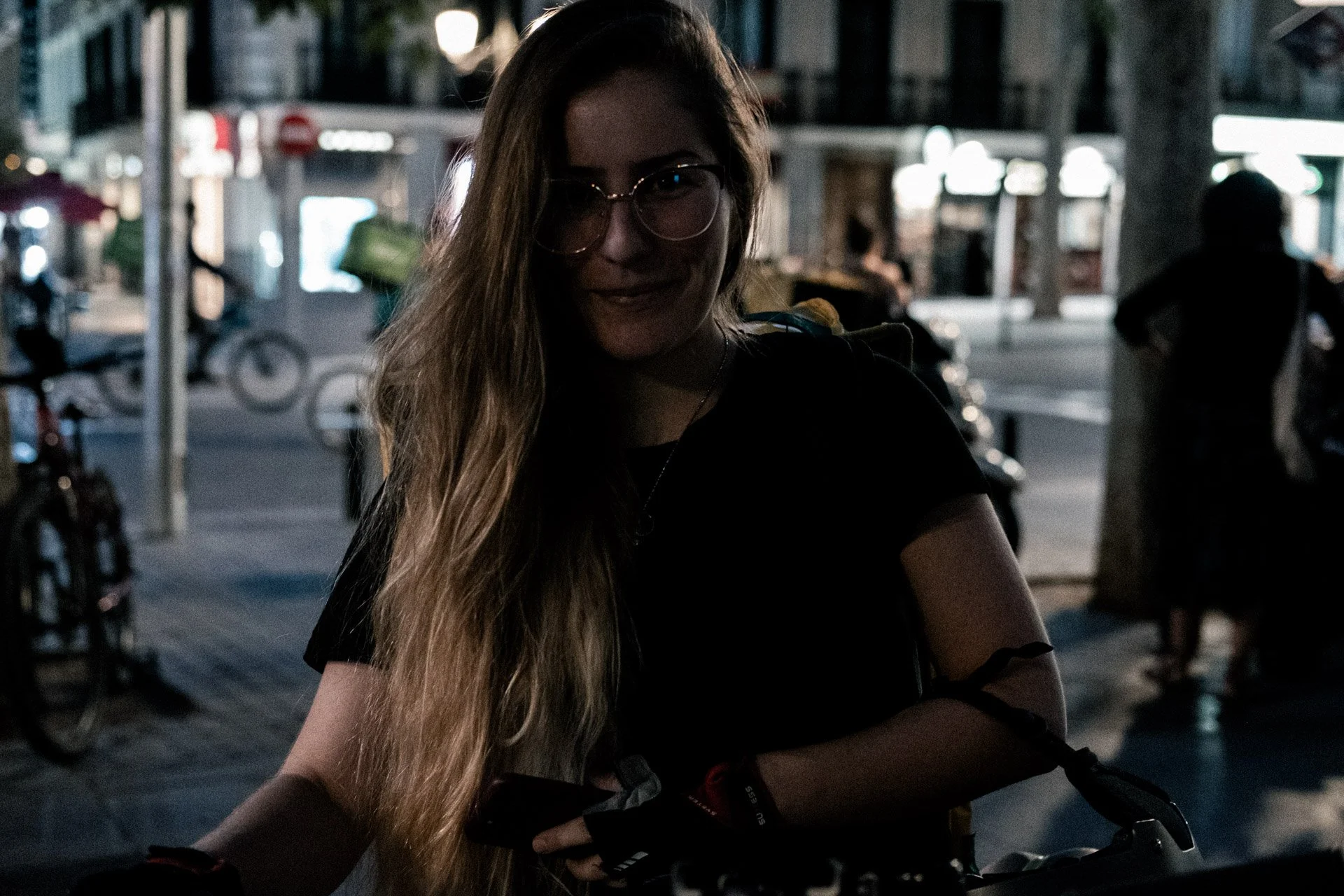
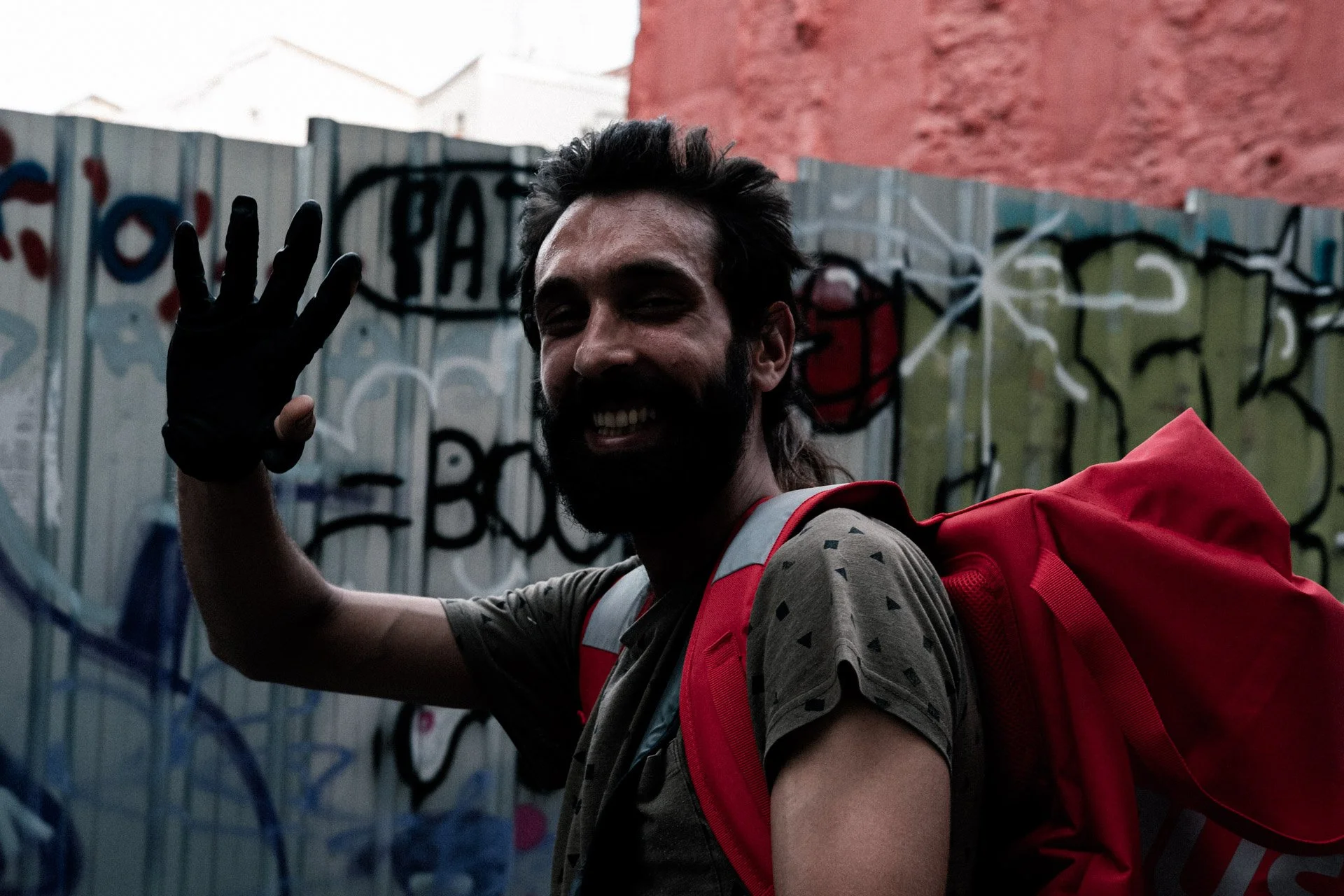
What began as a personal question developed into a photographic investigation of Madrid's delivery riders during the state of alarm. Through street portraits and conversations, the project sought to understand how those working on the front lines of the delivery economy experienced a crisis that had brought much of society to a standstill.
The encounters revealed an unexpected perspective. Despite the dangers of working during the pandemic, the riders expressed a desire for people to continue ordering food. For them, the possibility of infection existed alongside another immediate threat: the loss of income.
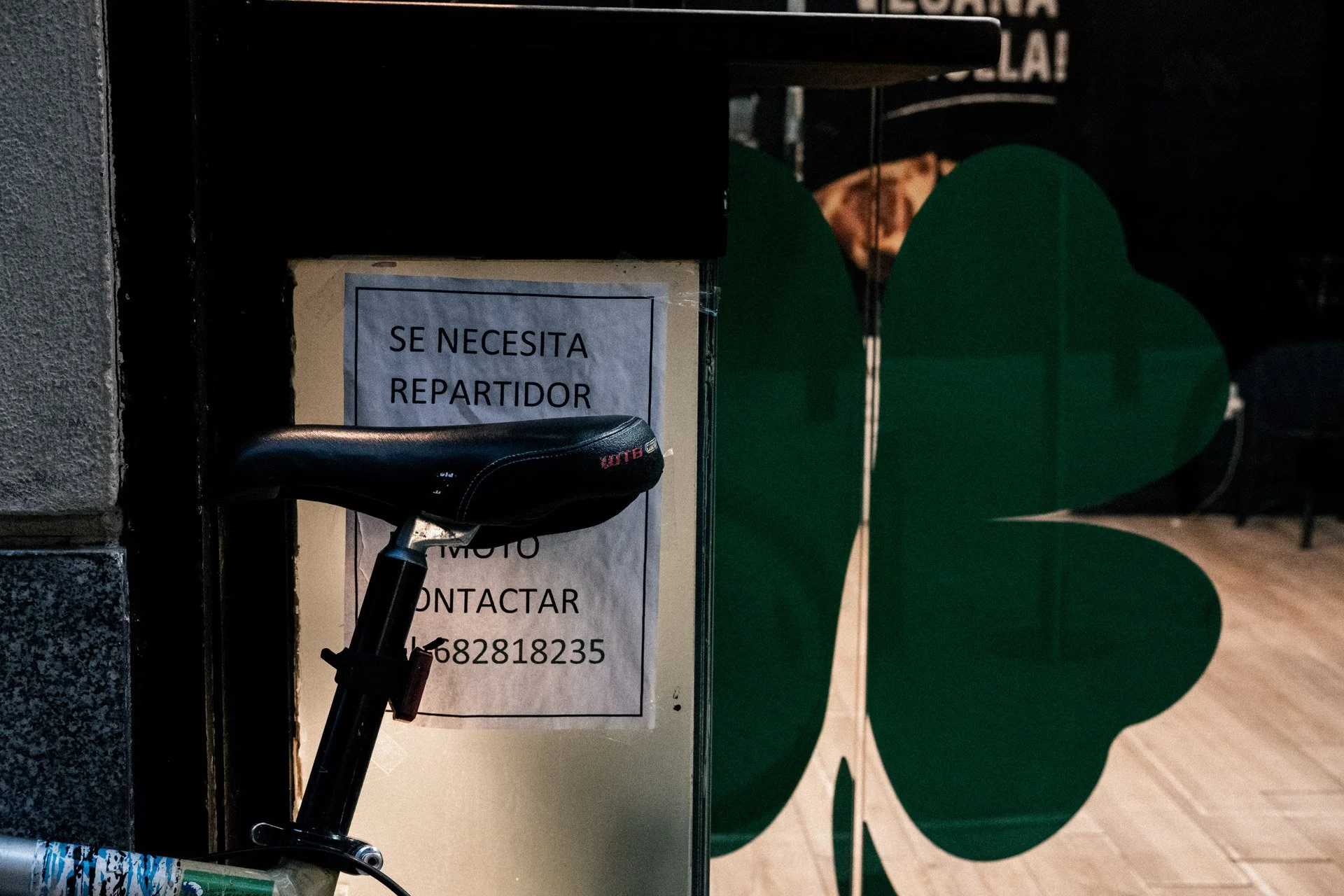
As the conversations continued, other realities emerged: stories of immigration, economic vulnerability, love, heartbreaks, and the absence of social protection revealed the precarious circumstances beneath a service that had become almost indispensable.
Bicicletas y Mochilas is a photographic record of those encounters, but also an exploration of the distance between the perceived consequences of our decisions and the realities experienced by those affected by them.
At its core, the project asks a deceptively simple question: what does it mean to protect someone when their safety and their livelihood appear to be in conflict?